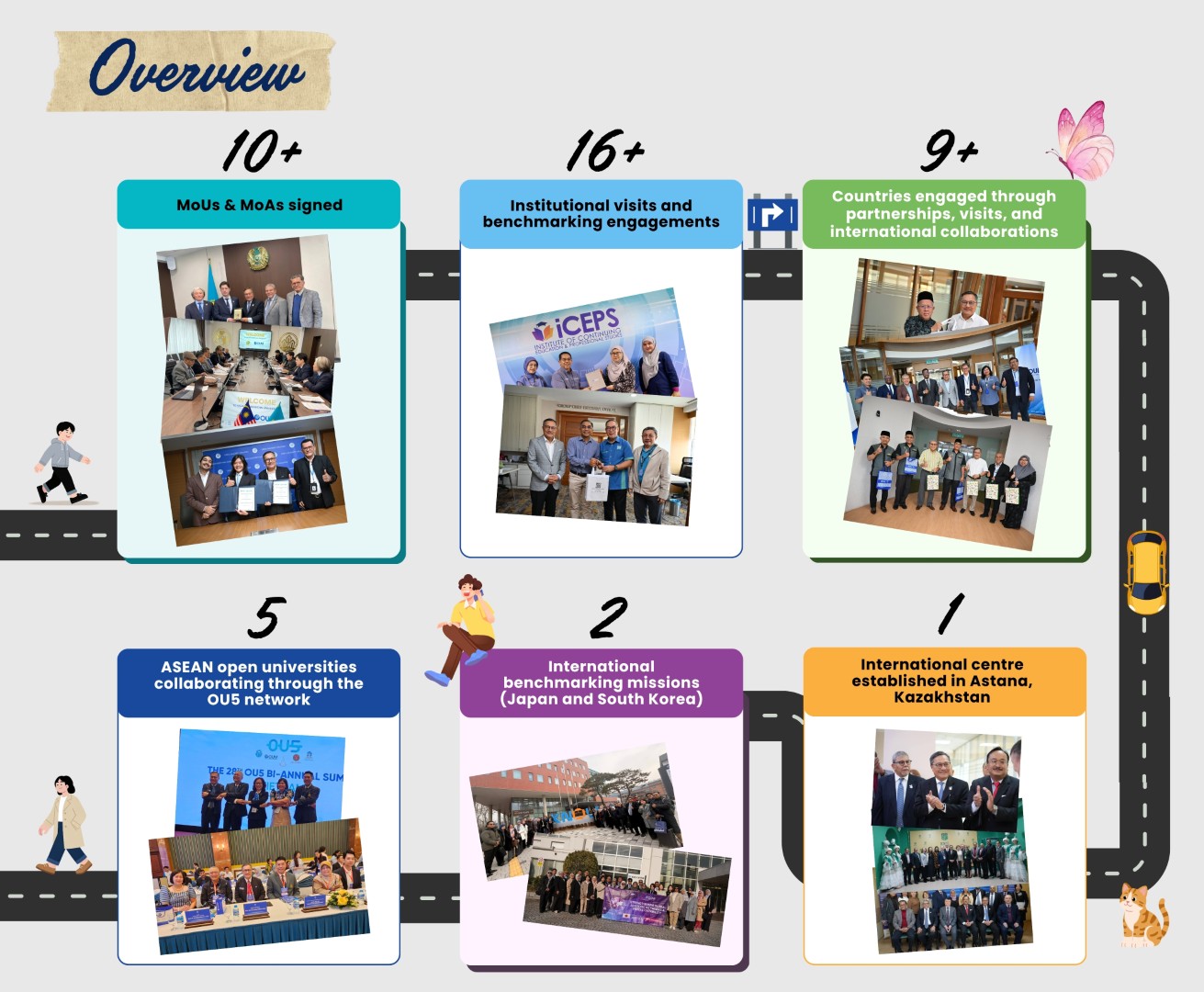
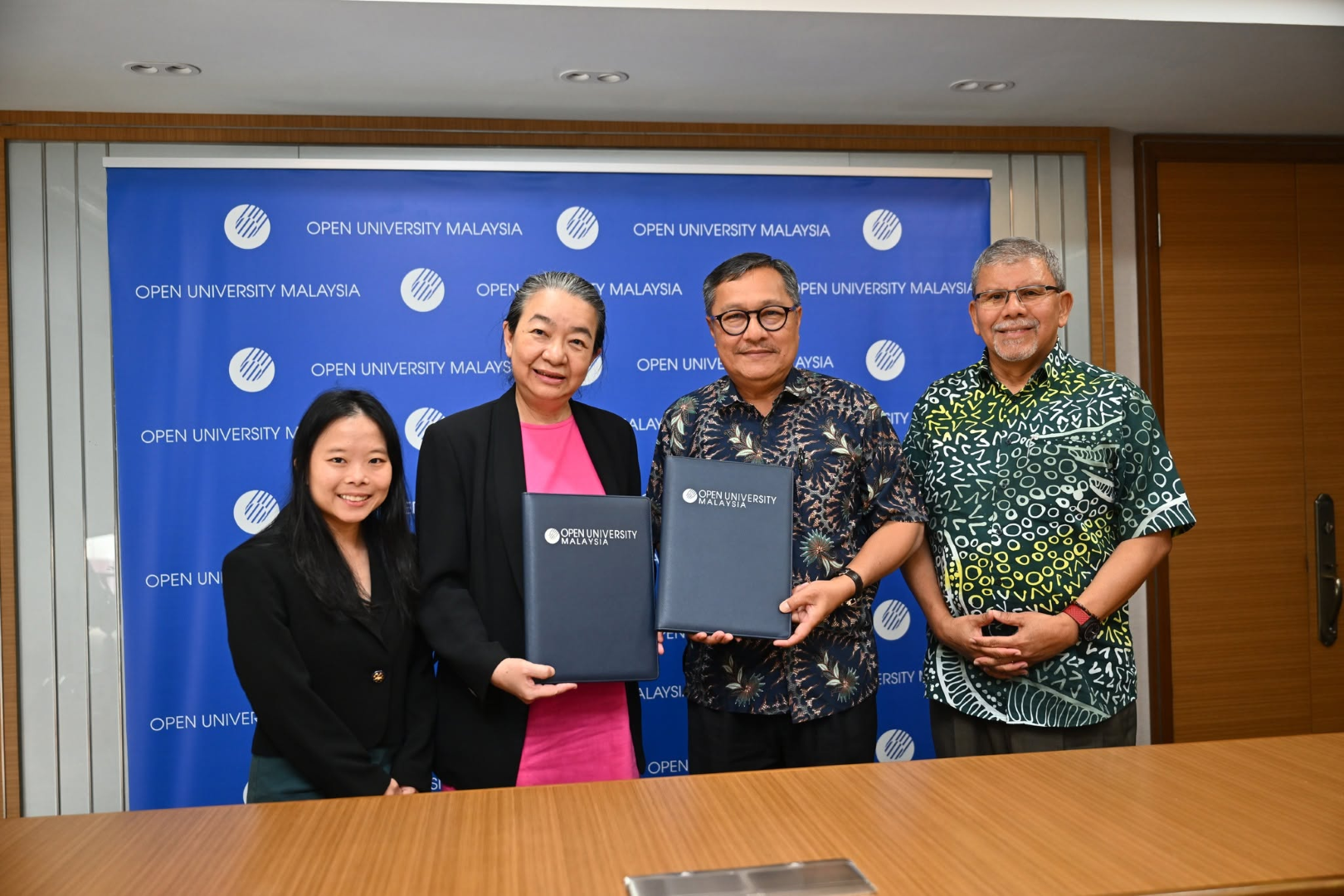
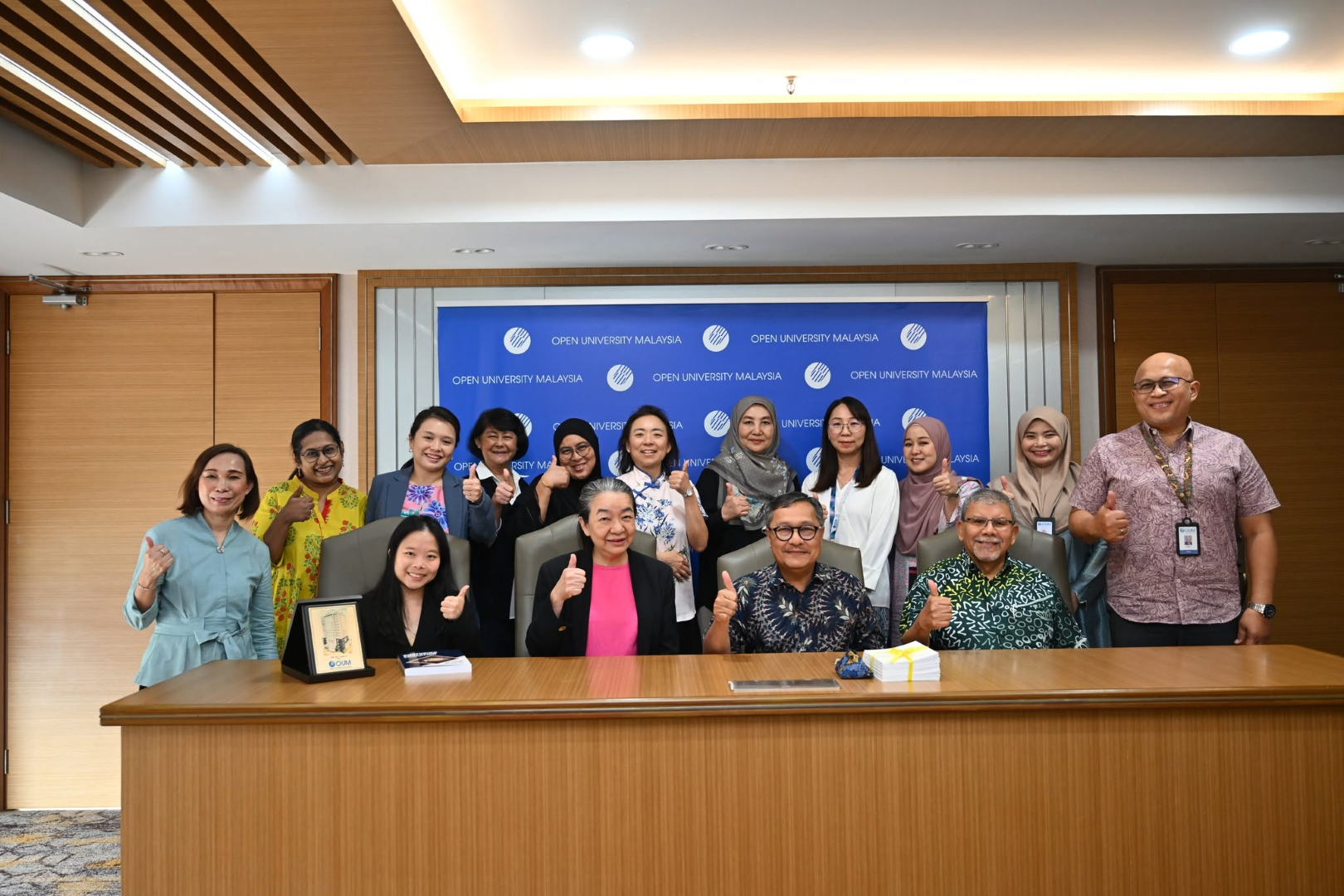
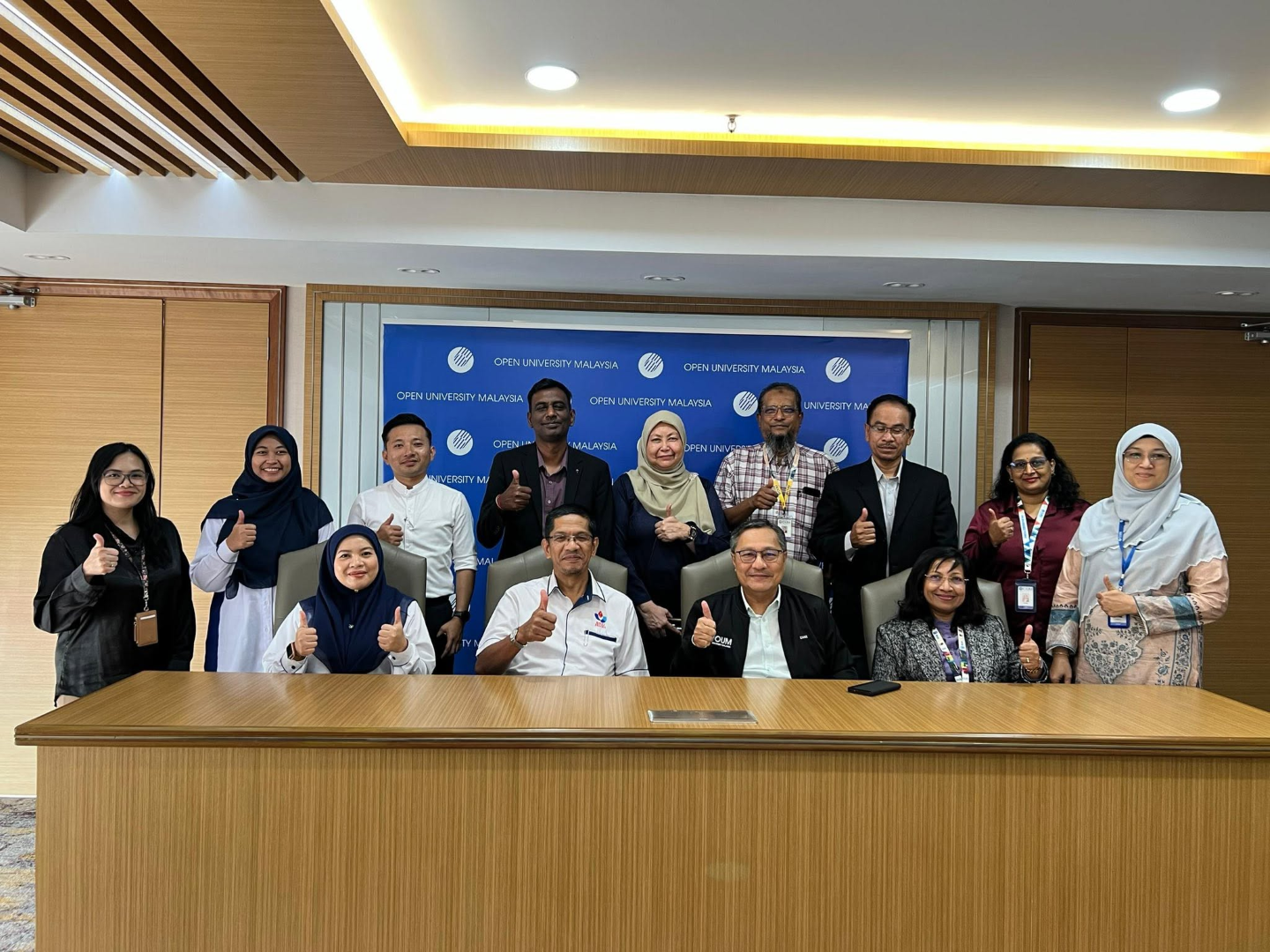
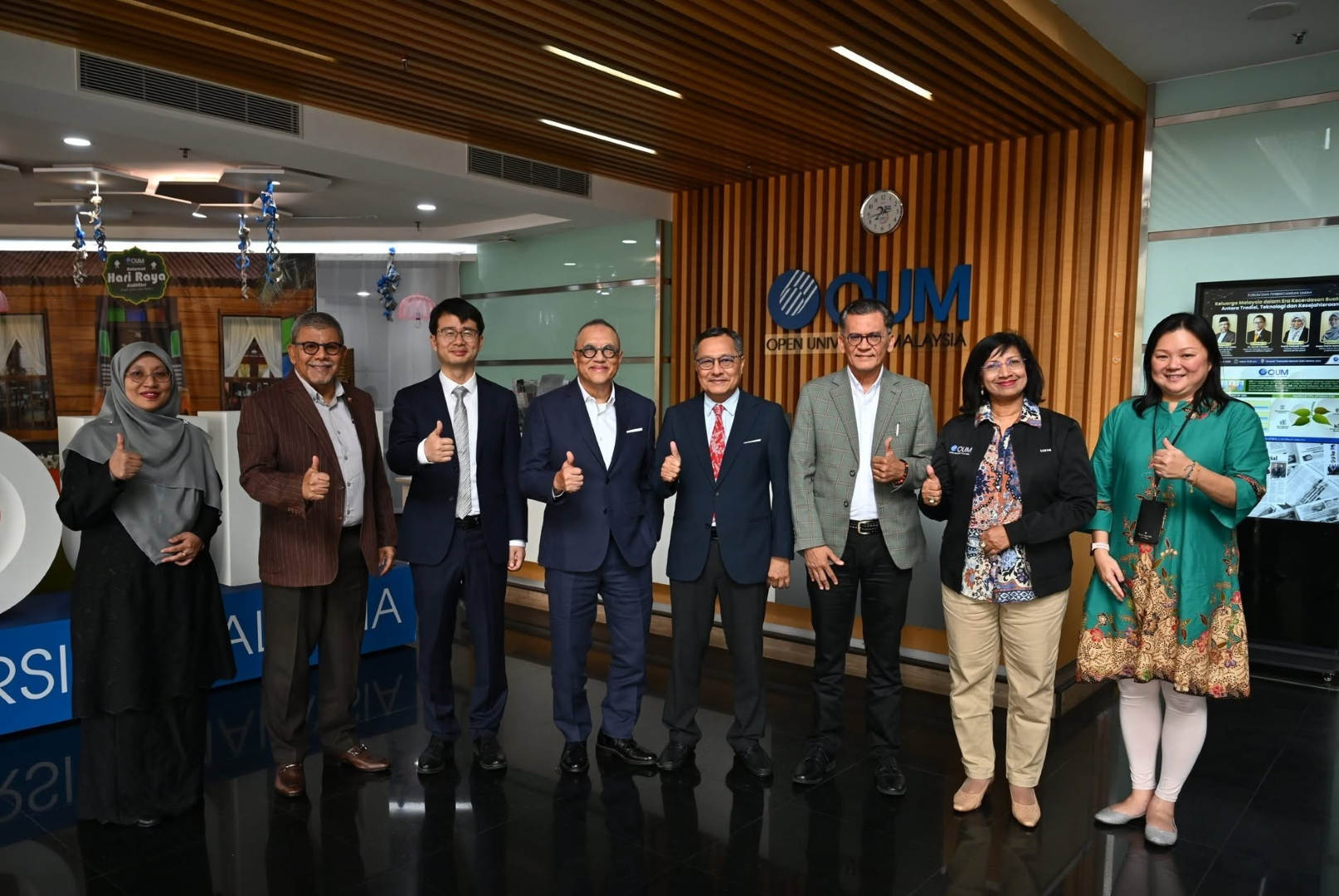
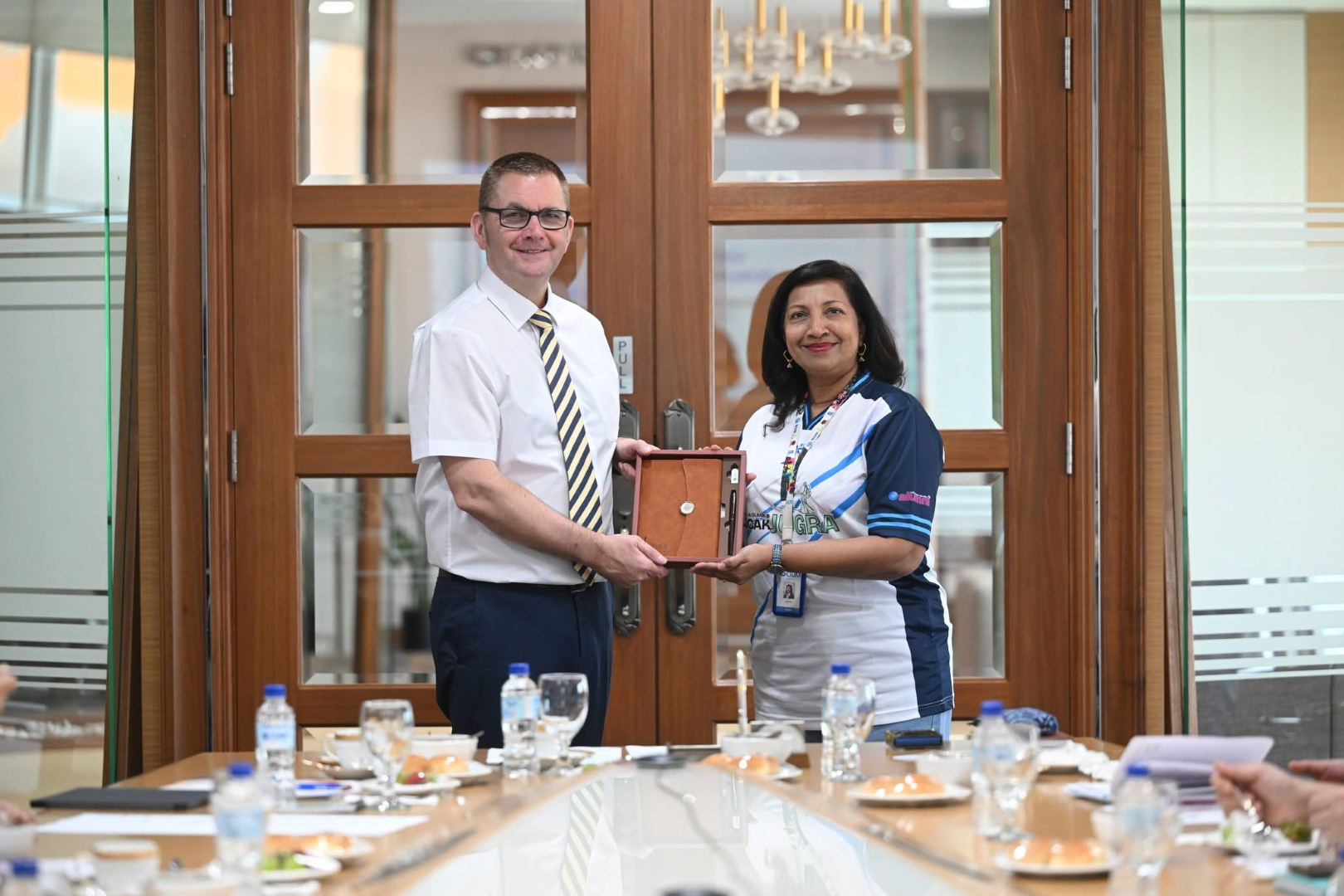
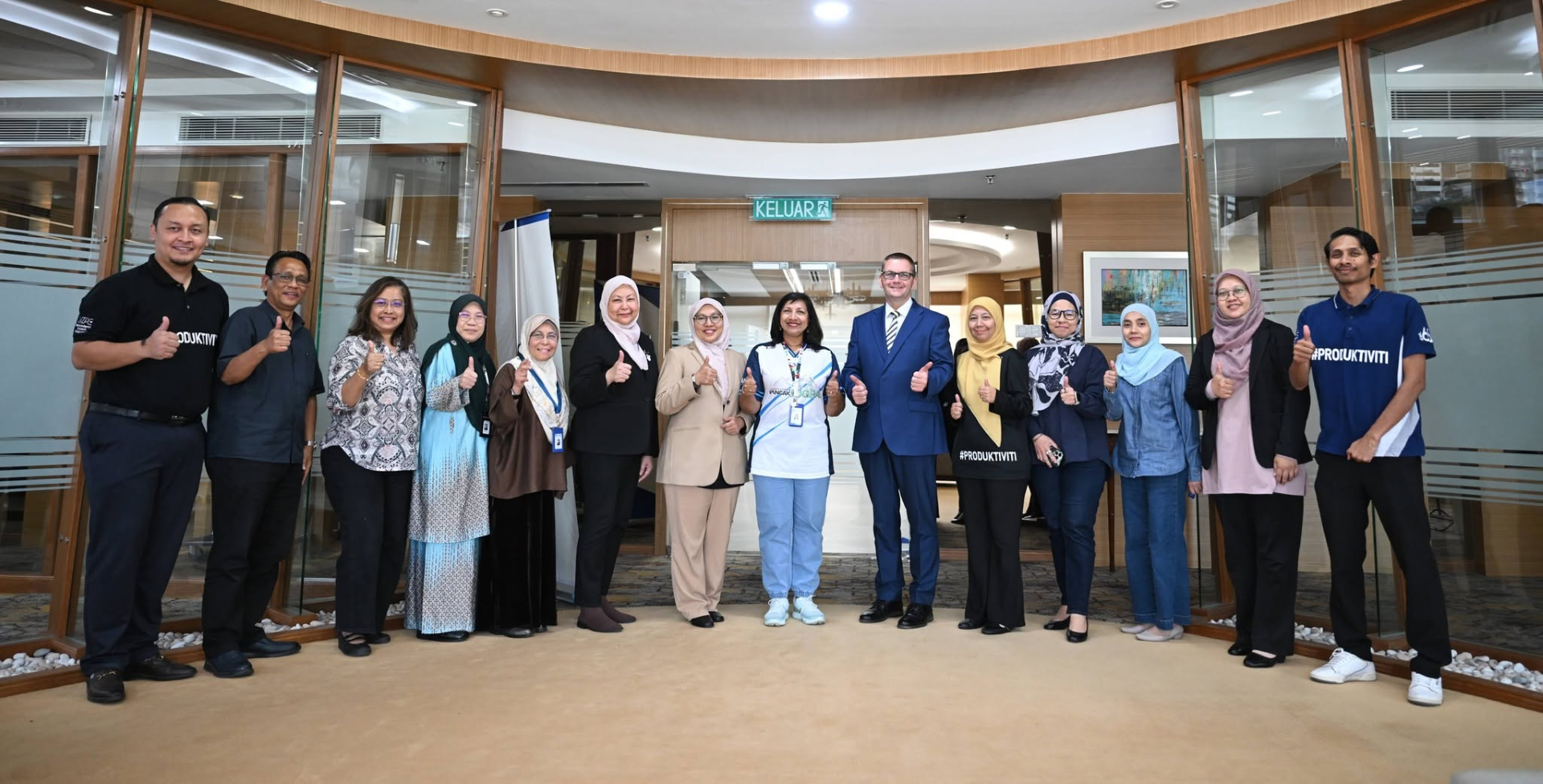
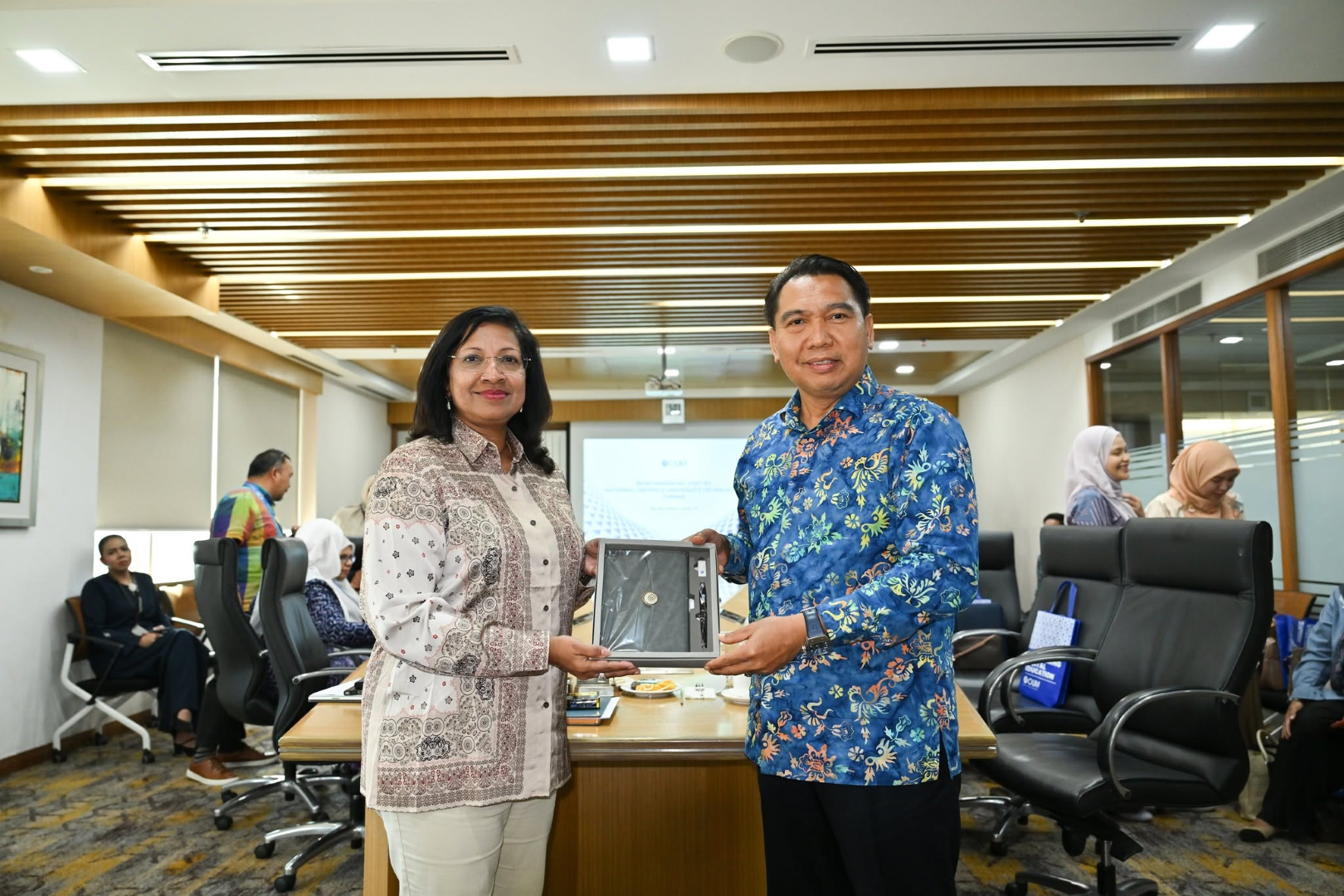
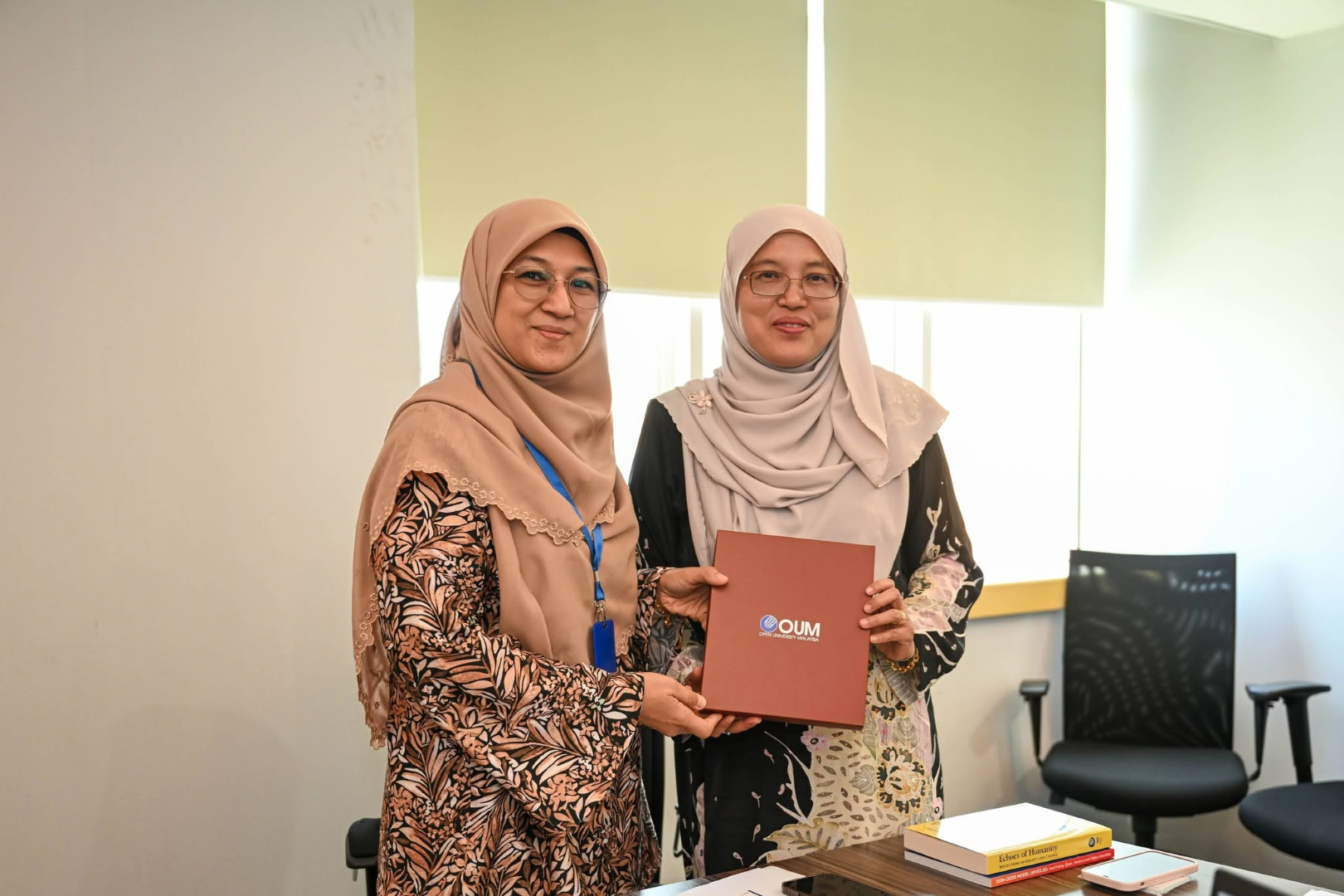
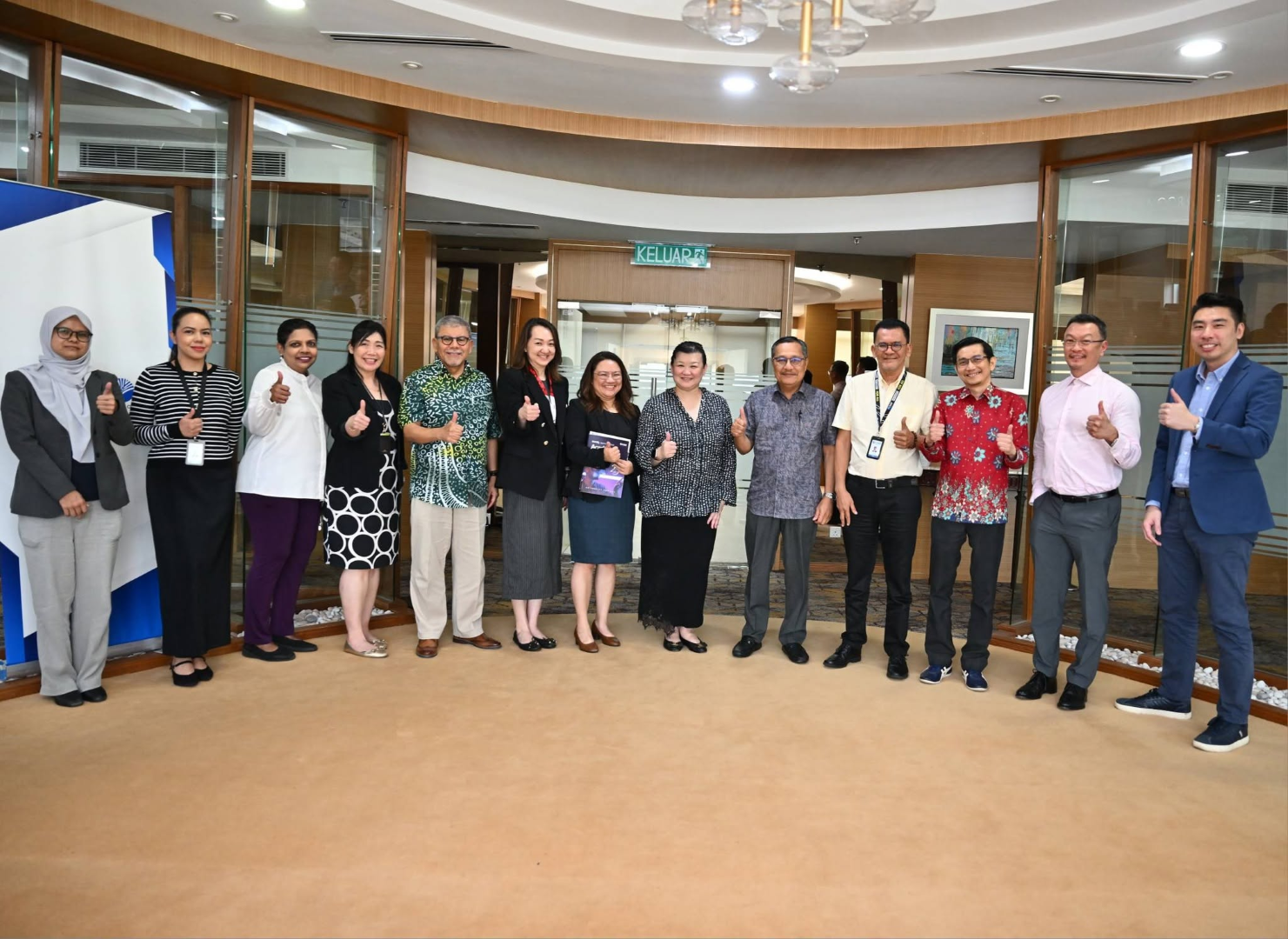
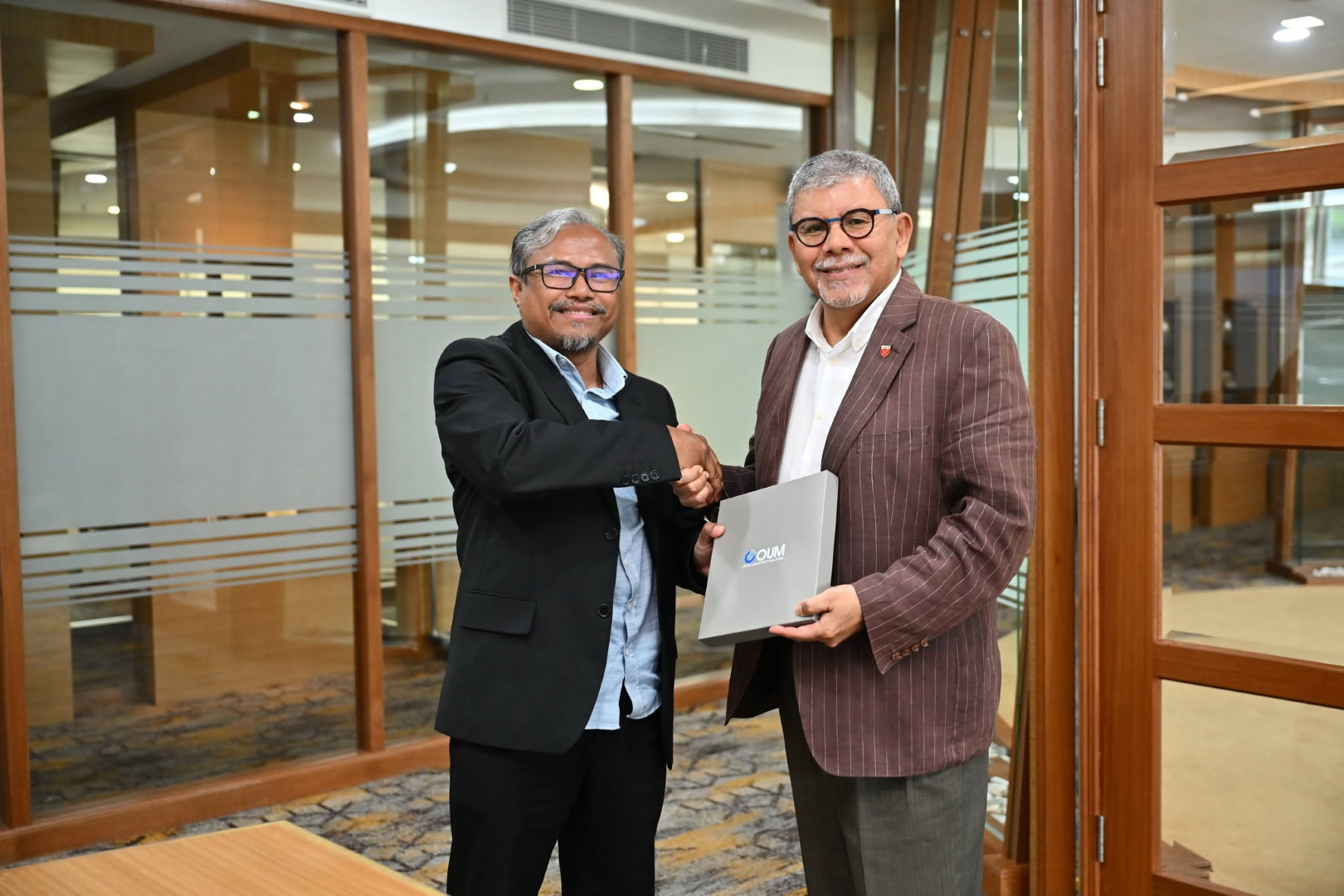
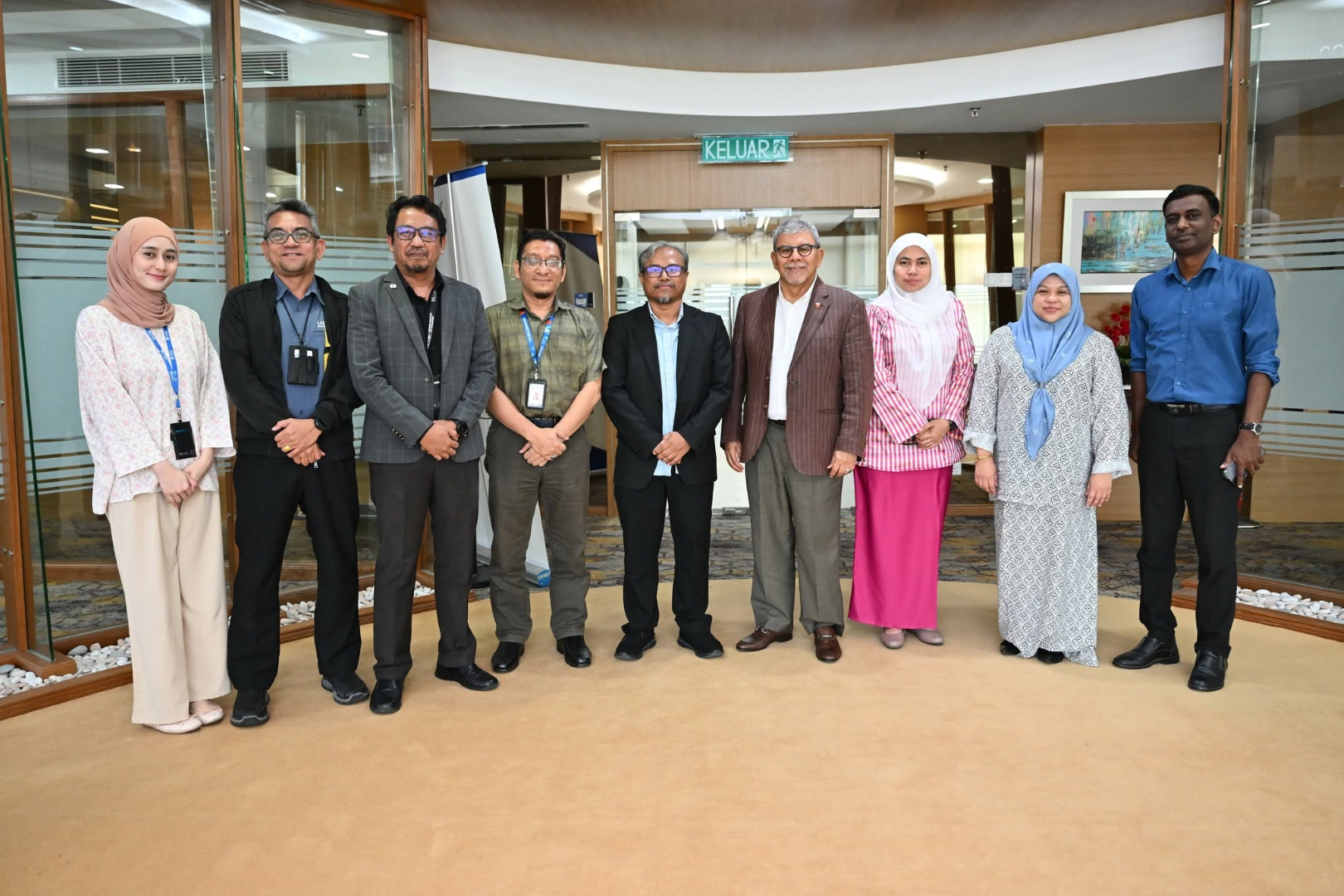
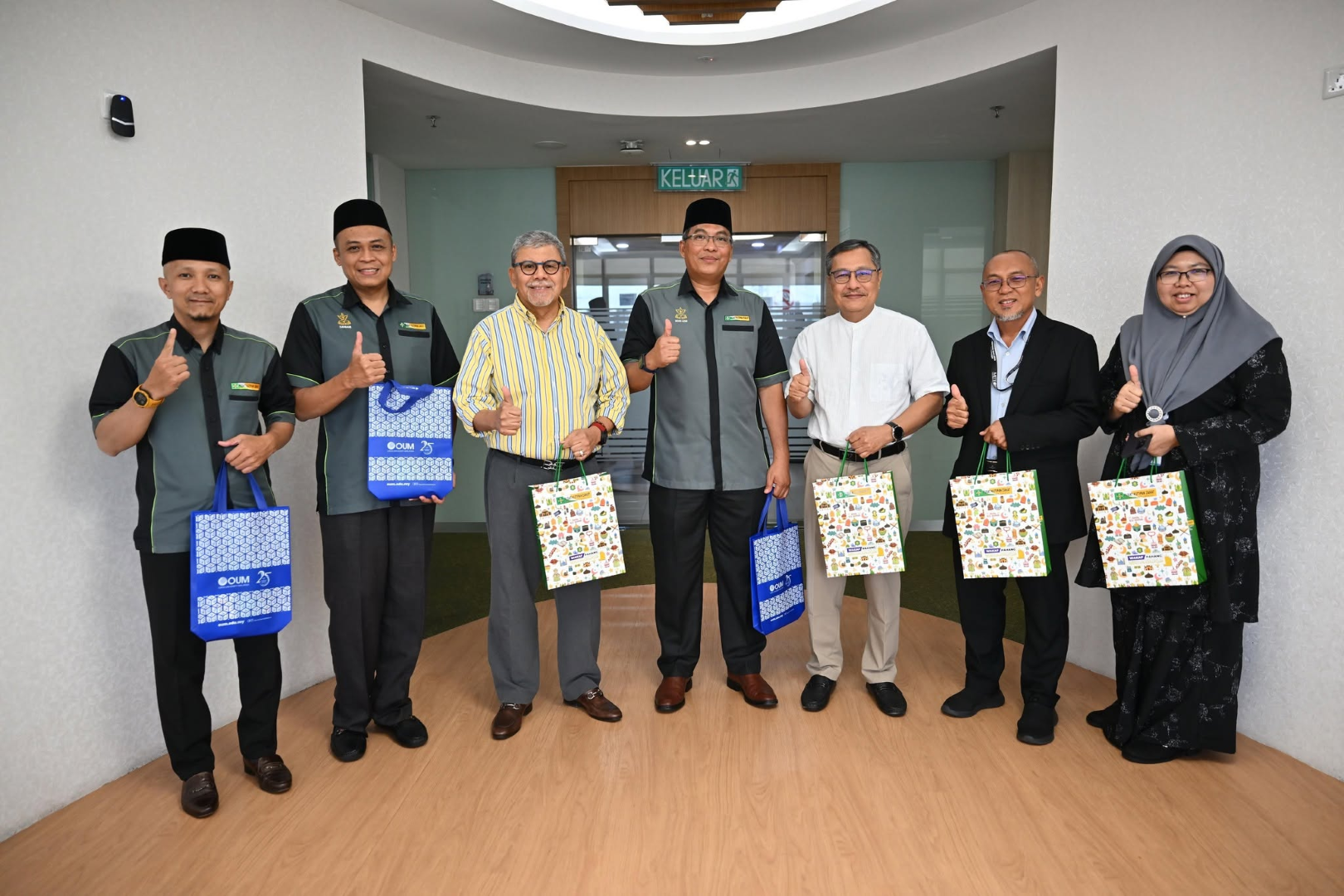
In the first half of 2026, we expanded our global footprint through strategic partnerships and international engagement, strengthening our role in Open, Distance, and Digital Education (ODDE).
Strategic Partnerships (Jan–May 2026)
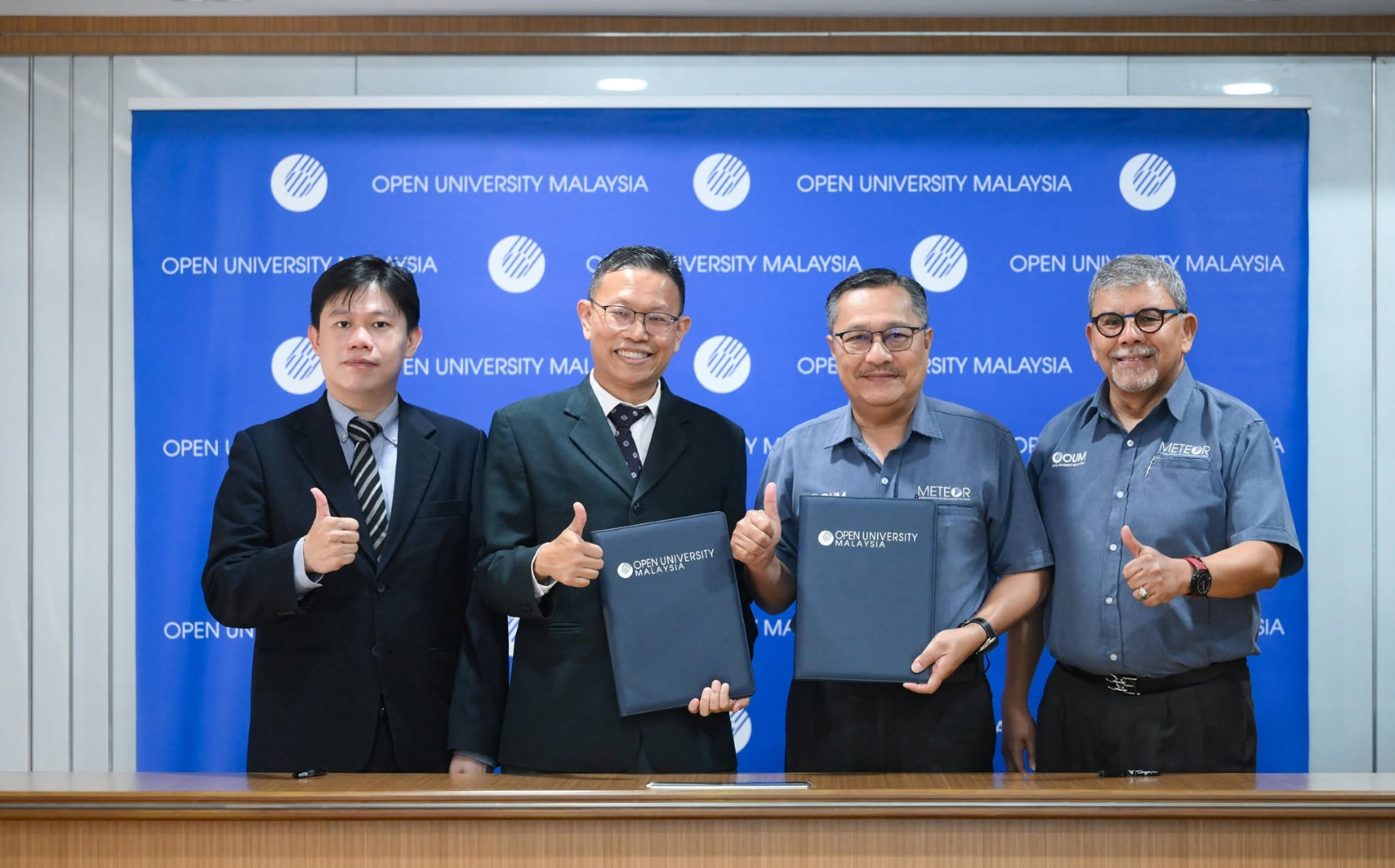
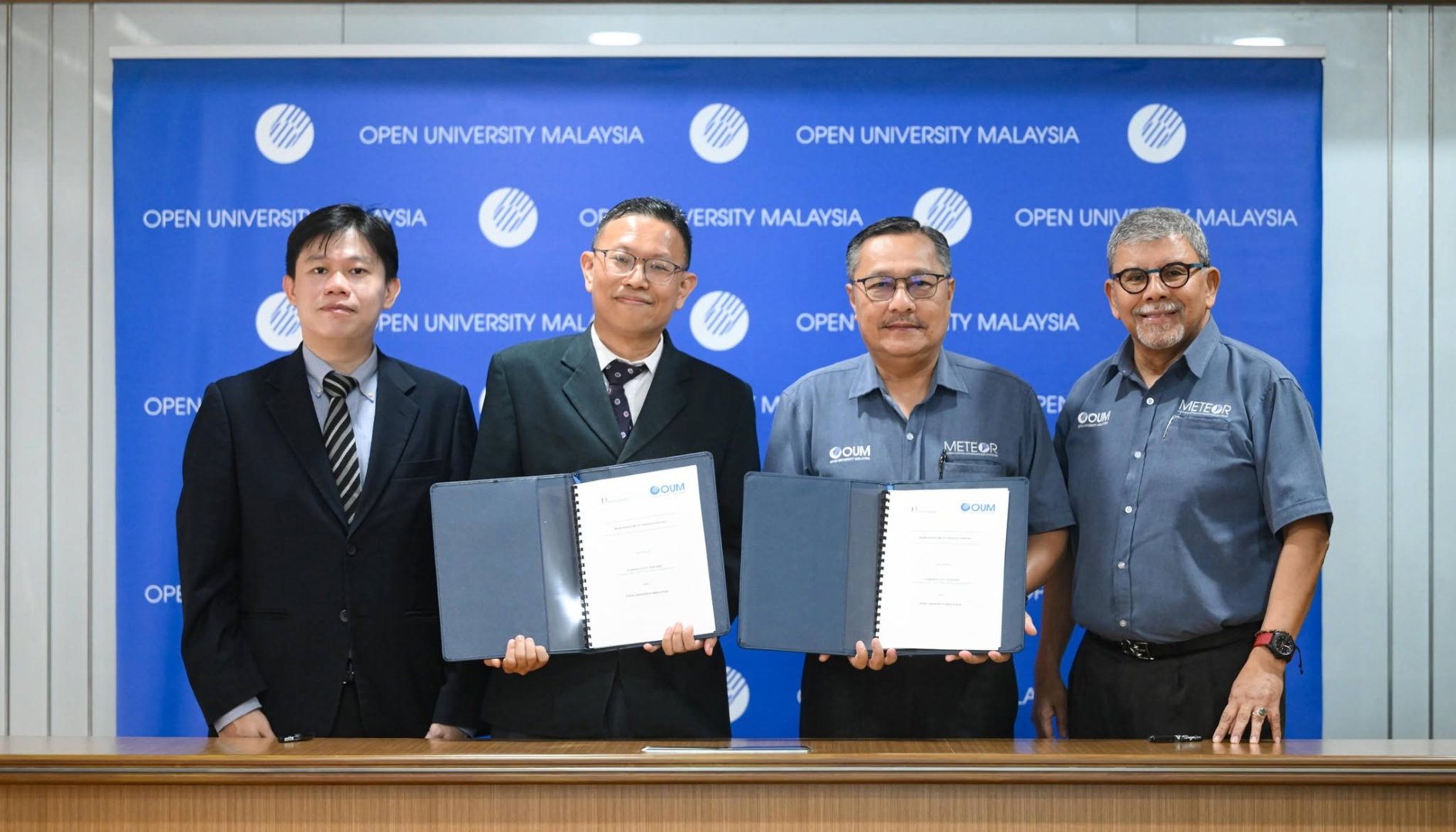
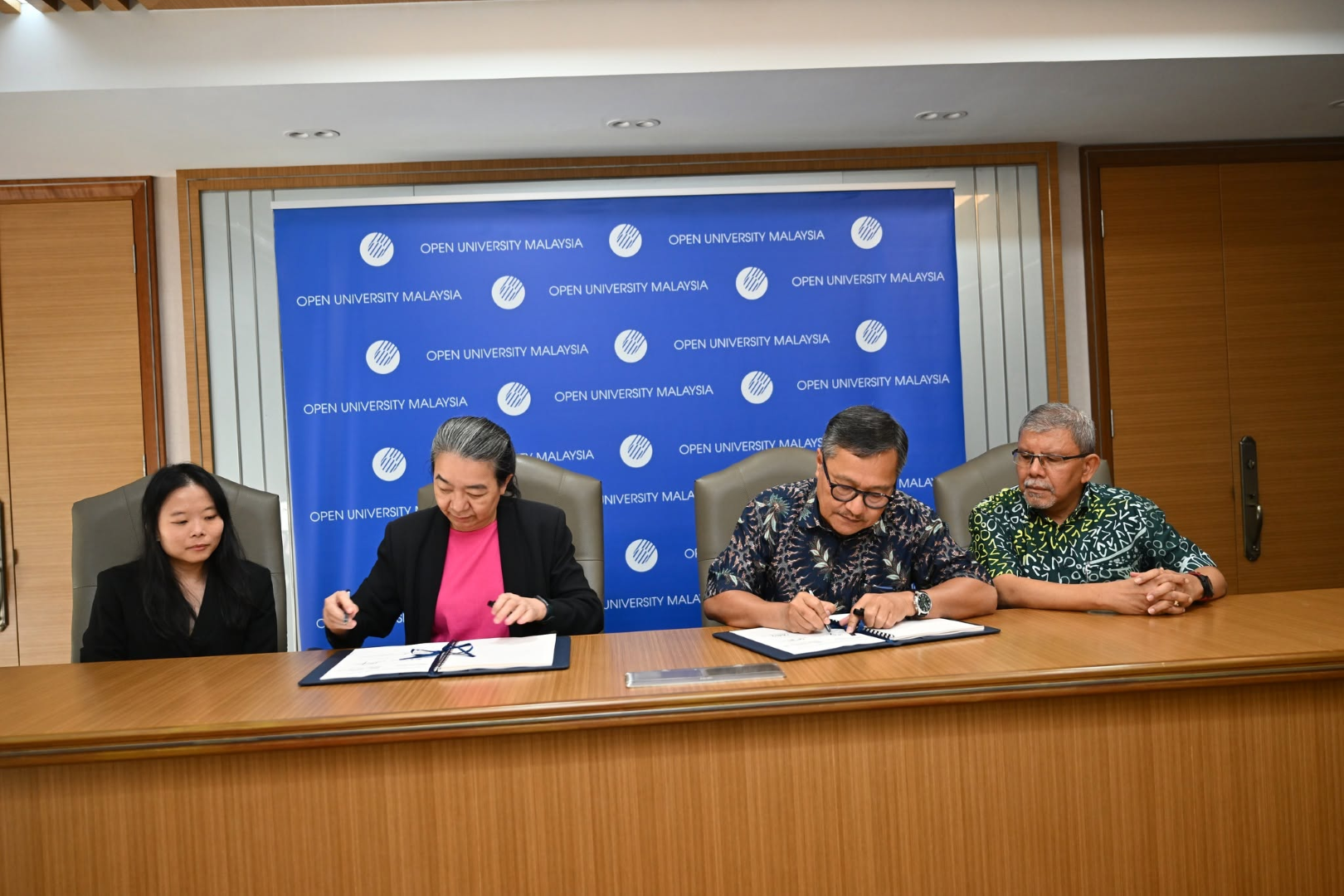
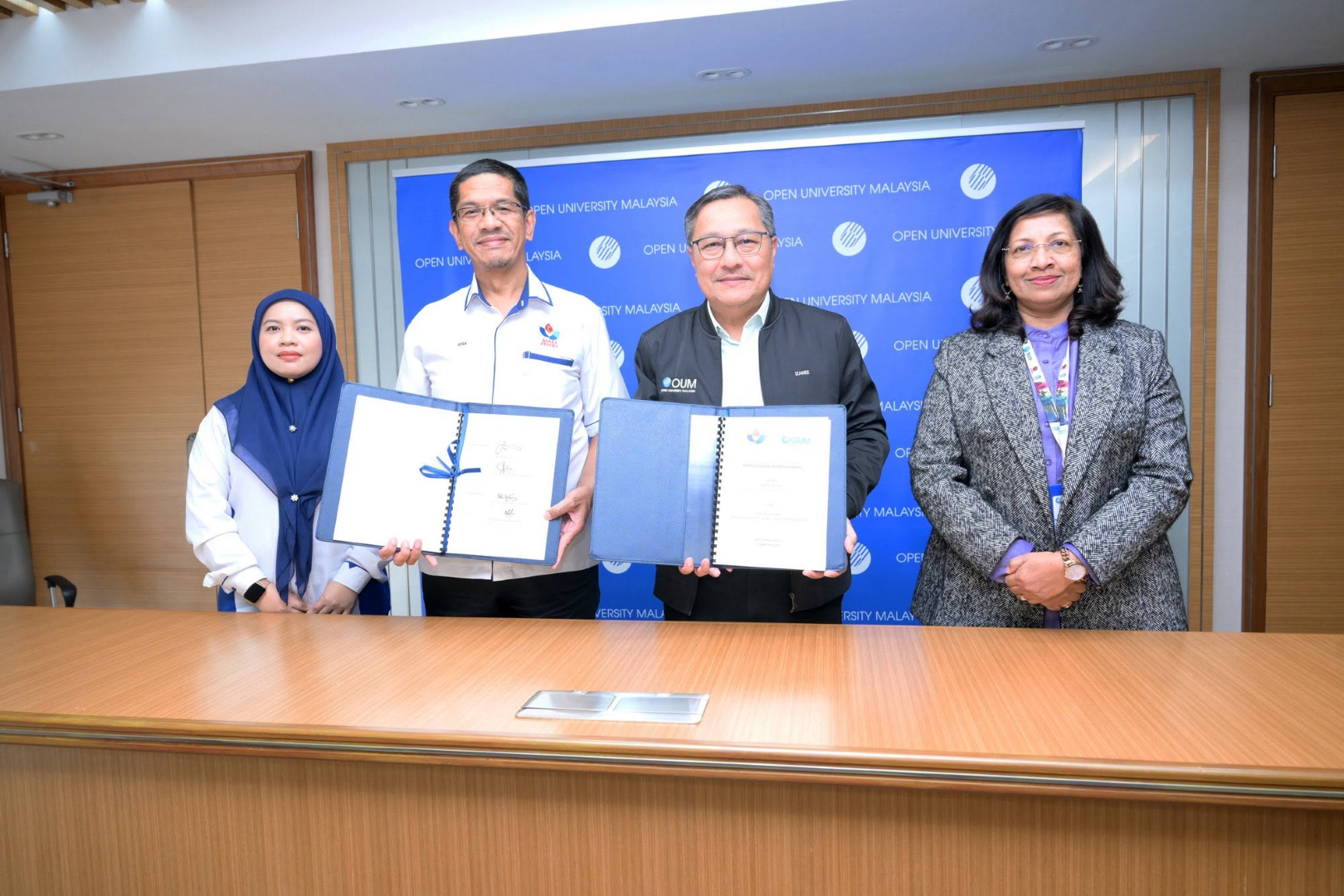
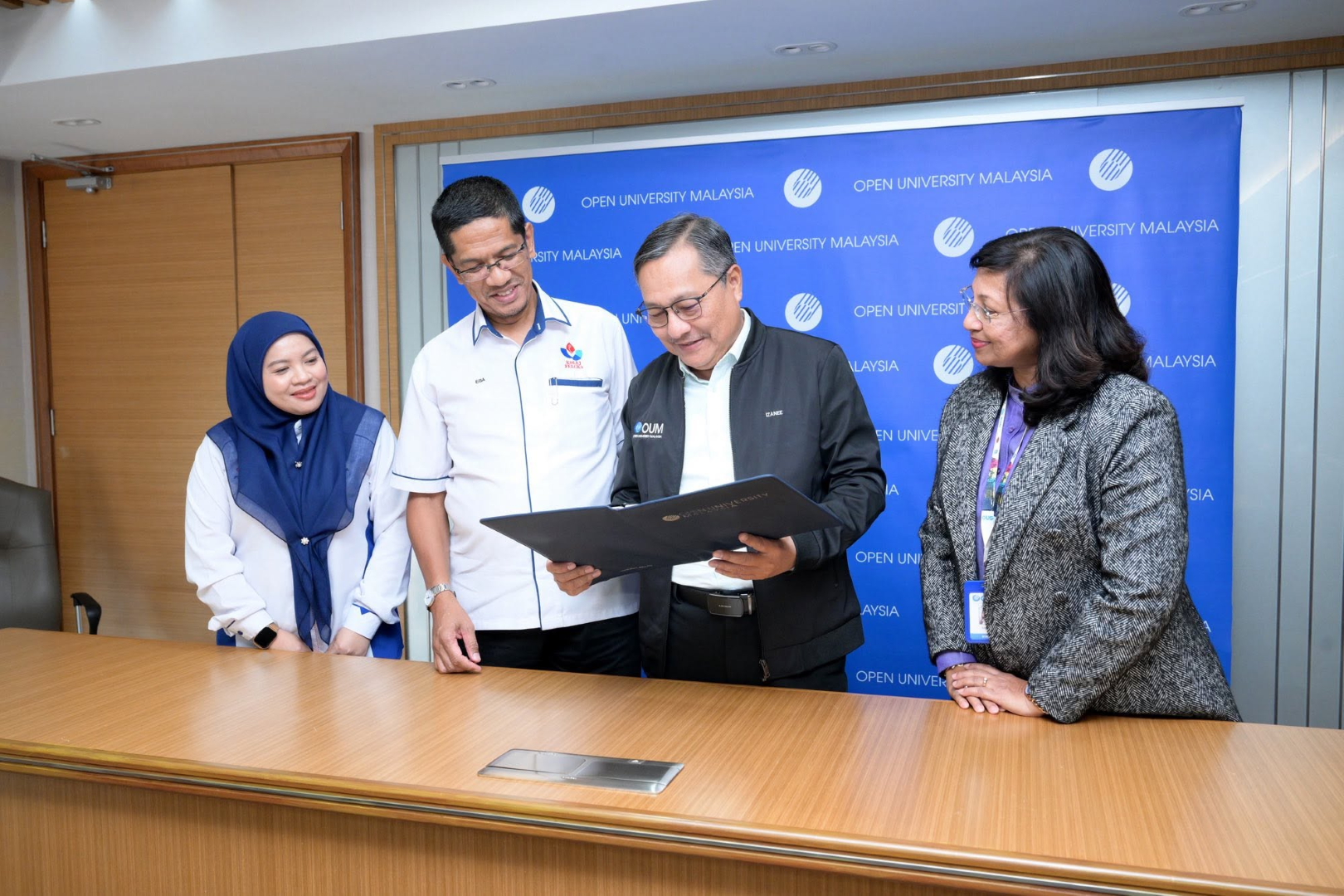
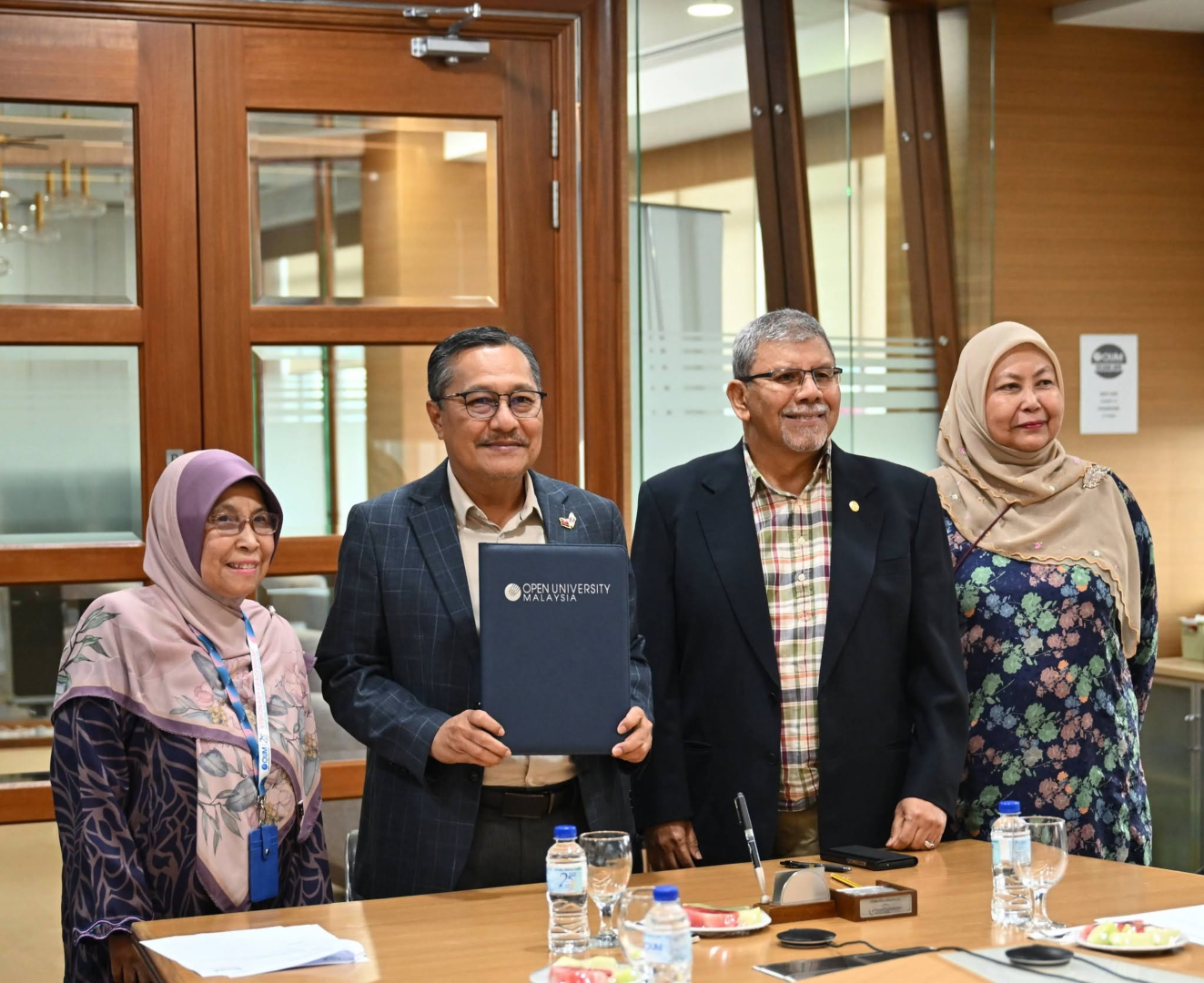
OUM signed multiple Memoranda of Understanding (MoUs) and Memoranda of Agreement (MoAs) across education, industry, and research.
In January, OUM partnered with Humanology Sdn Bhd to advance halal studies, research, and a Certificate in Halal Studies. An MoA with the Early Childhood Care and Education (ECCE) Council supported early childhood education development.
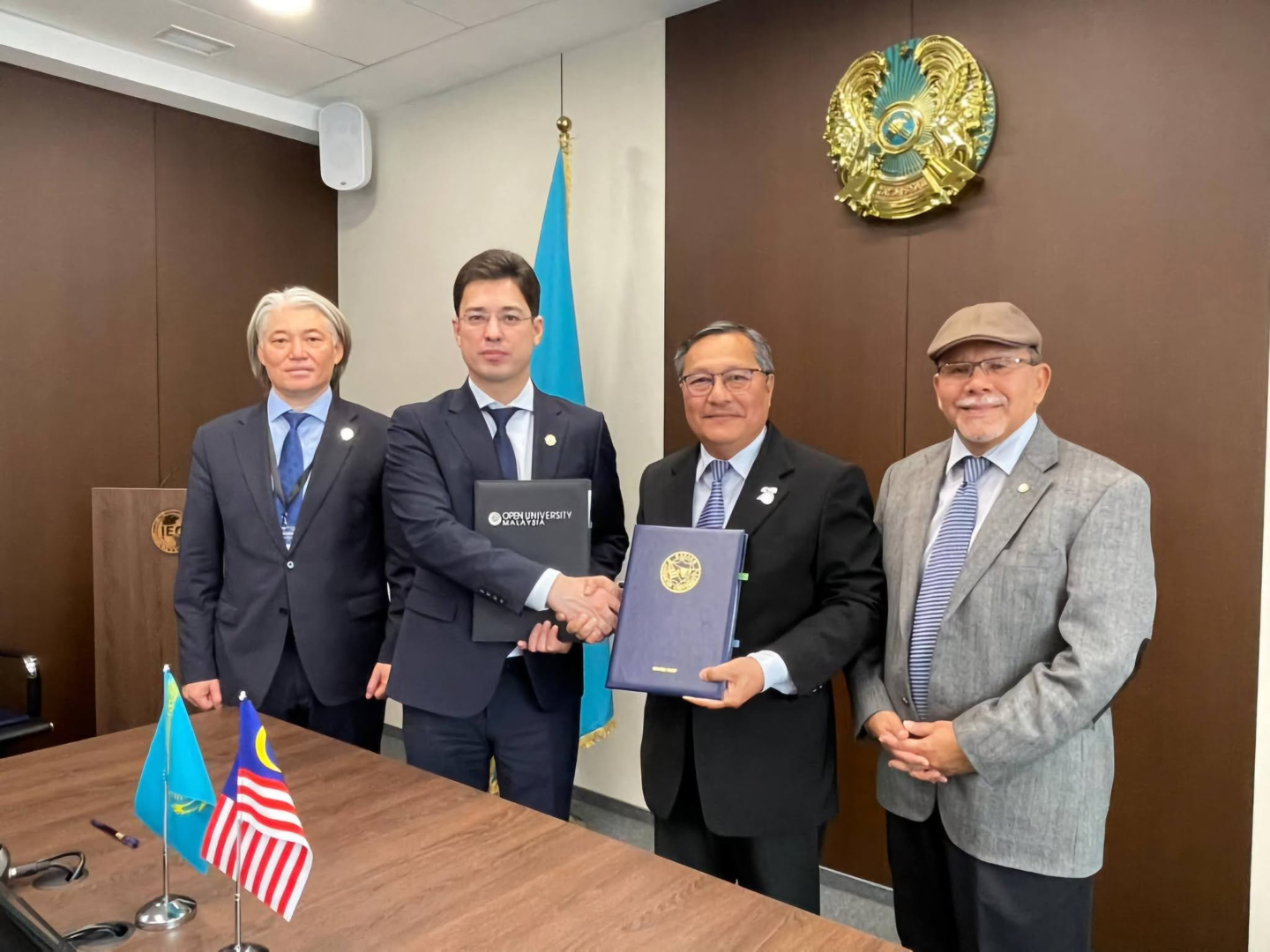
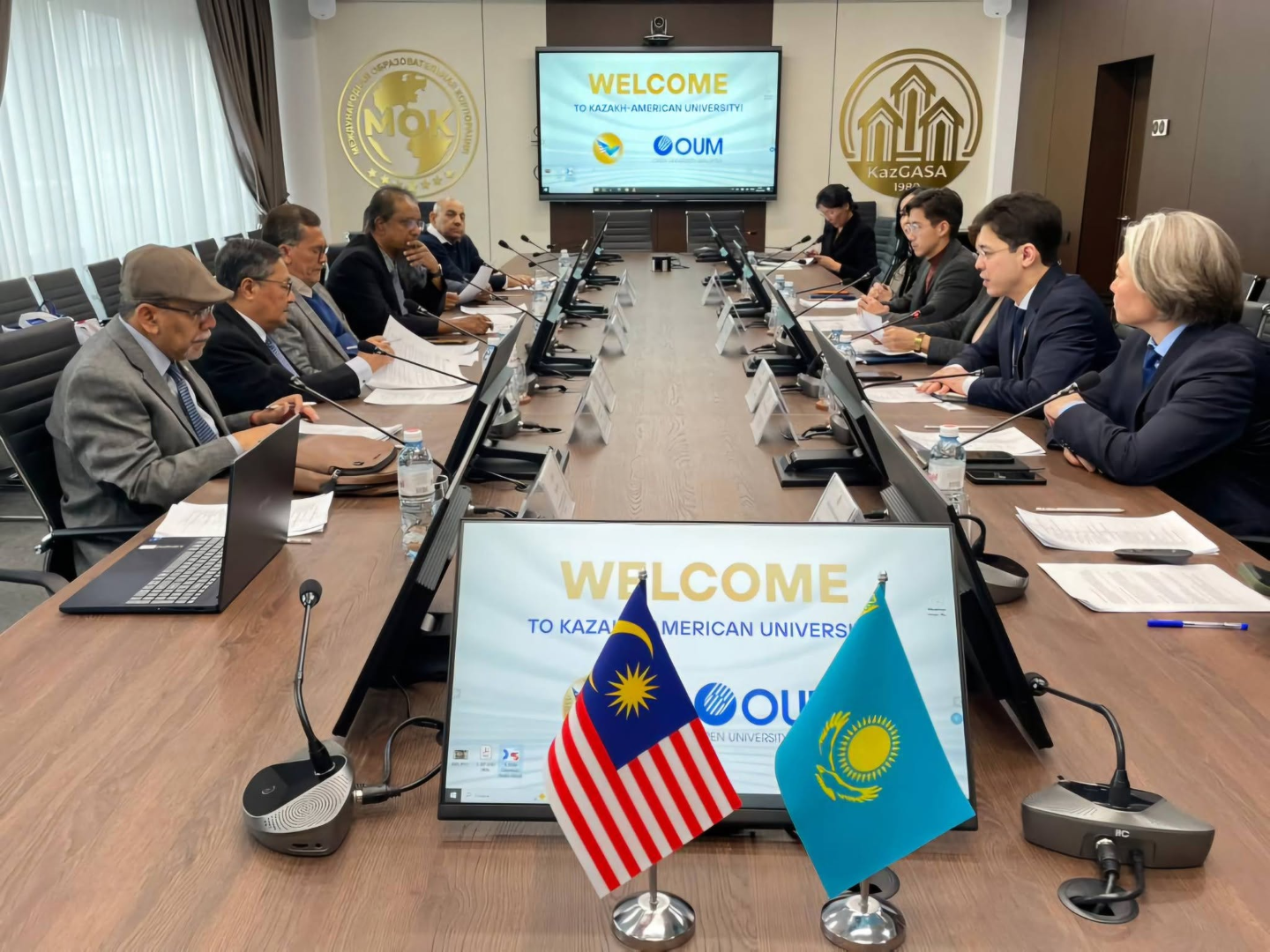
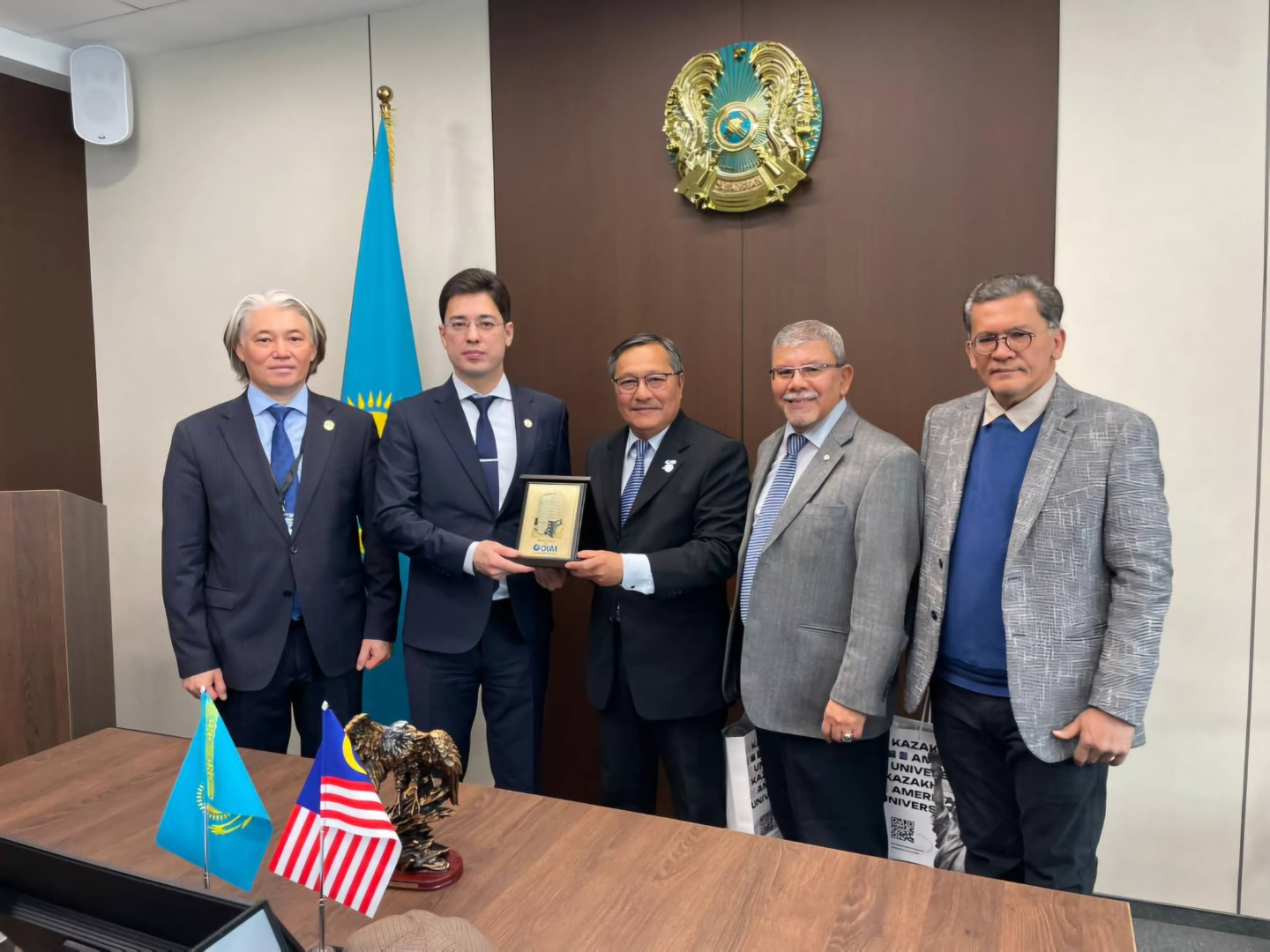
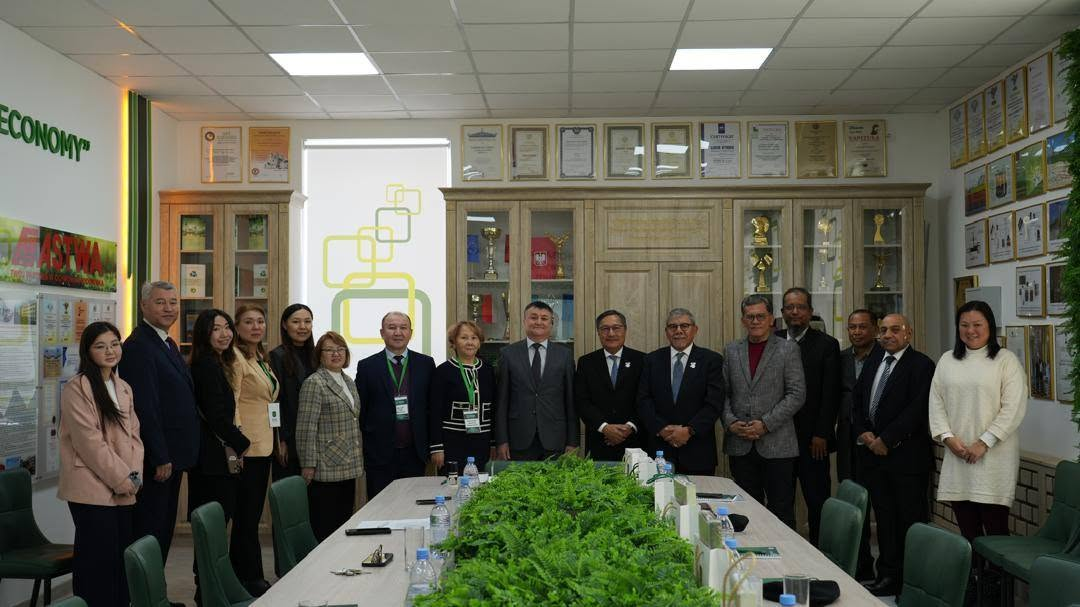
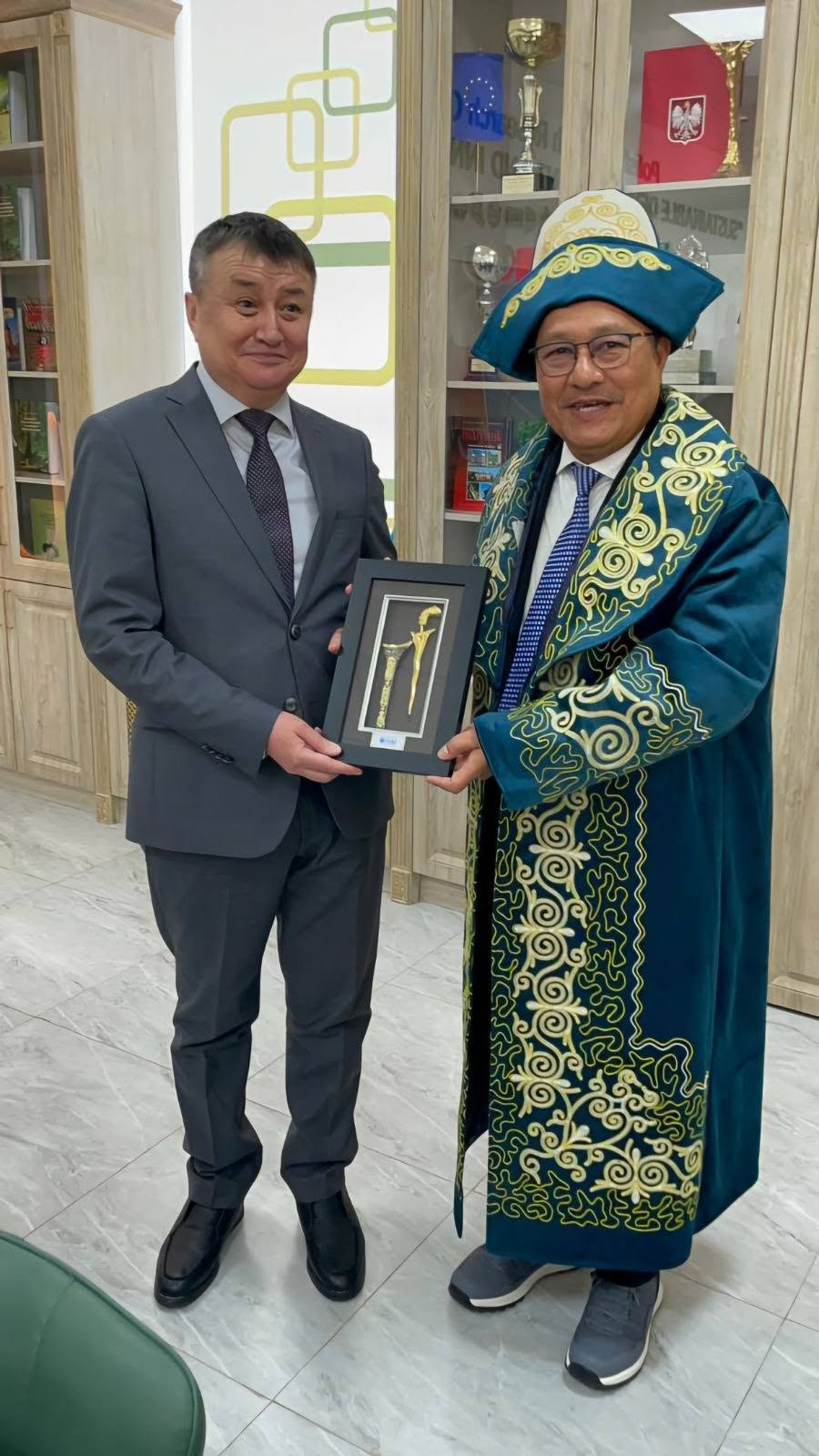
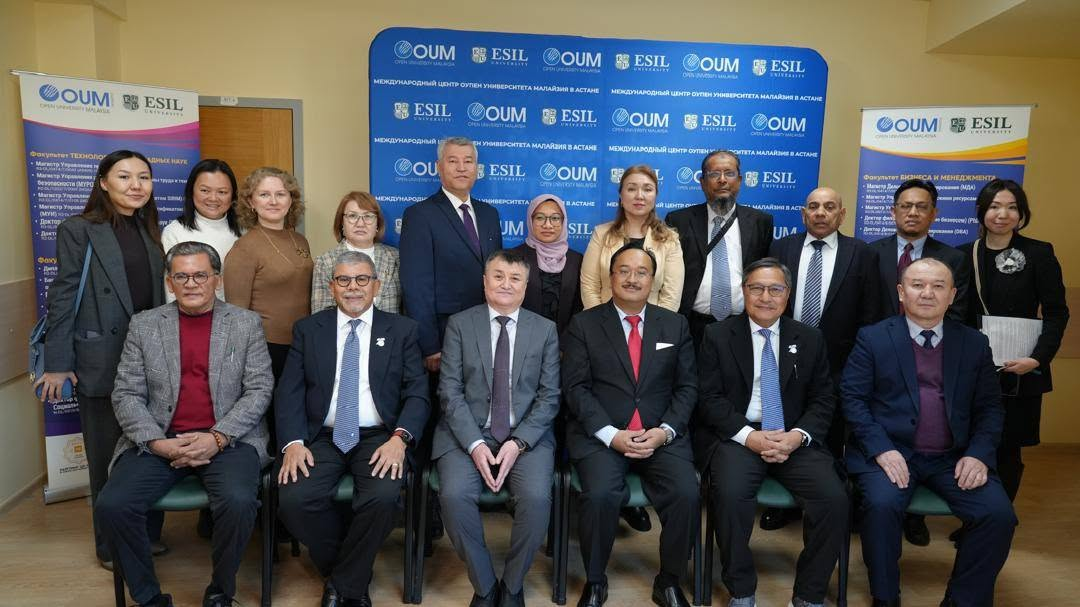
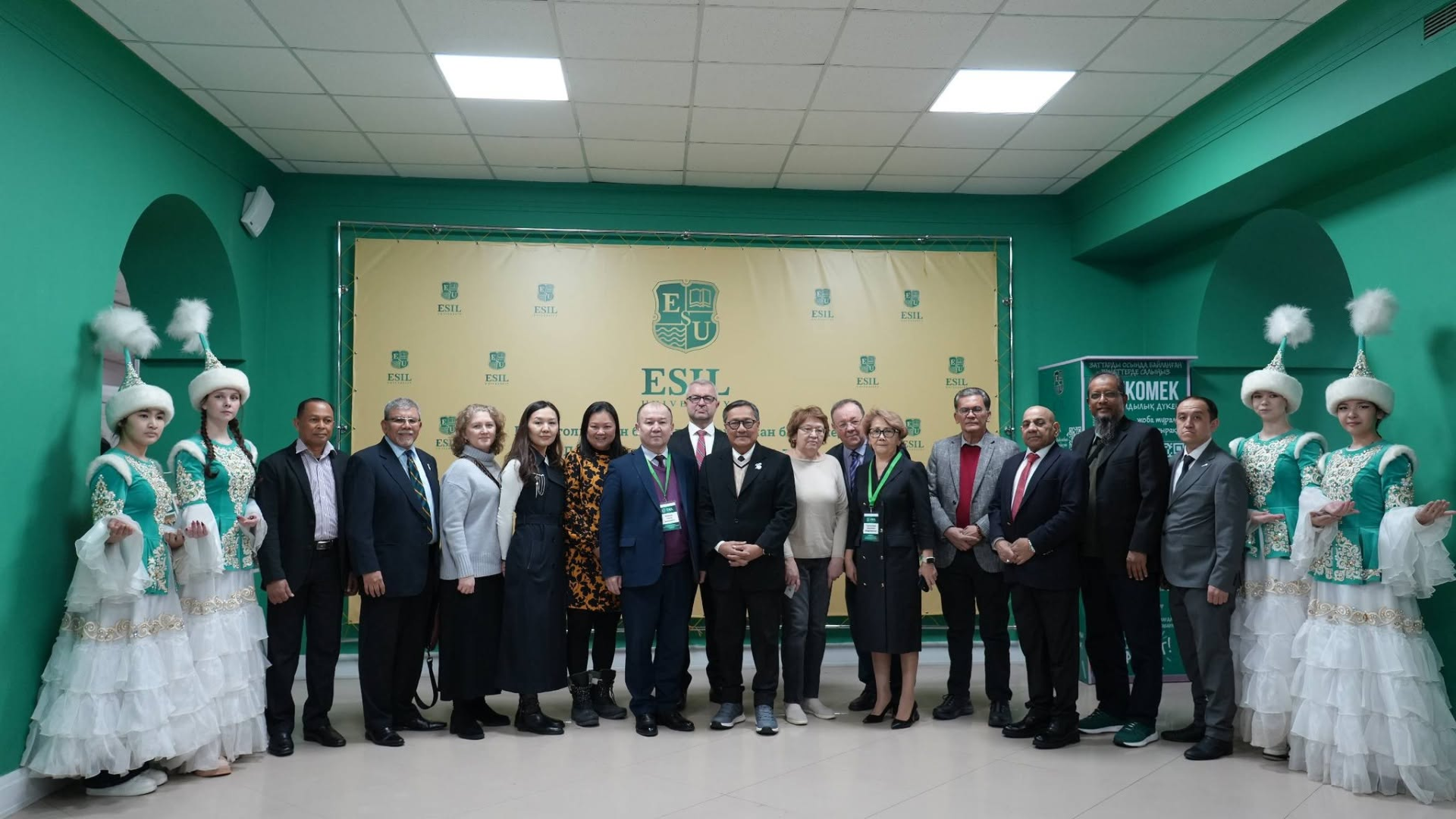
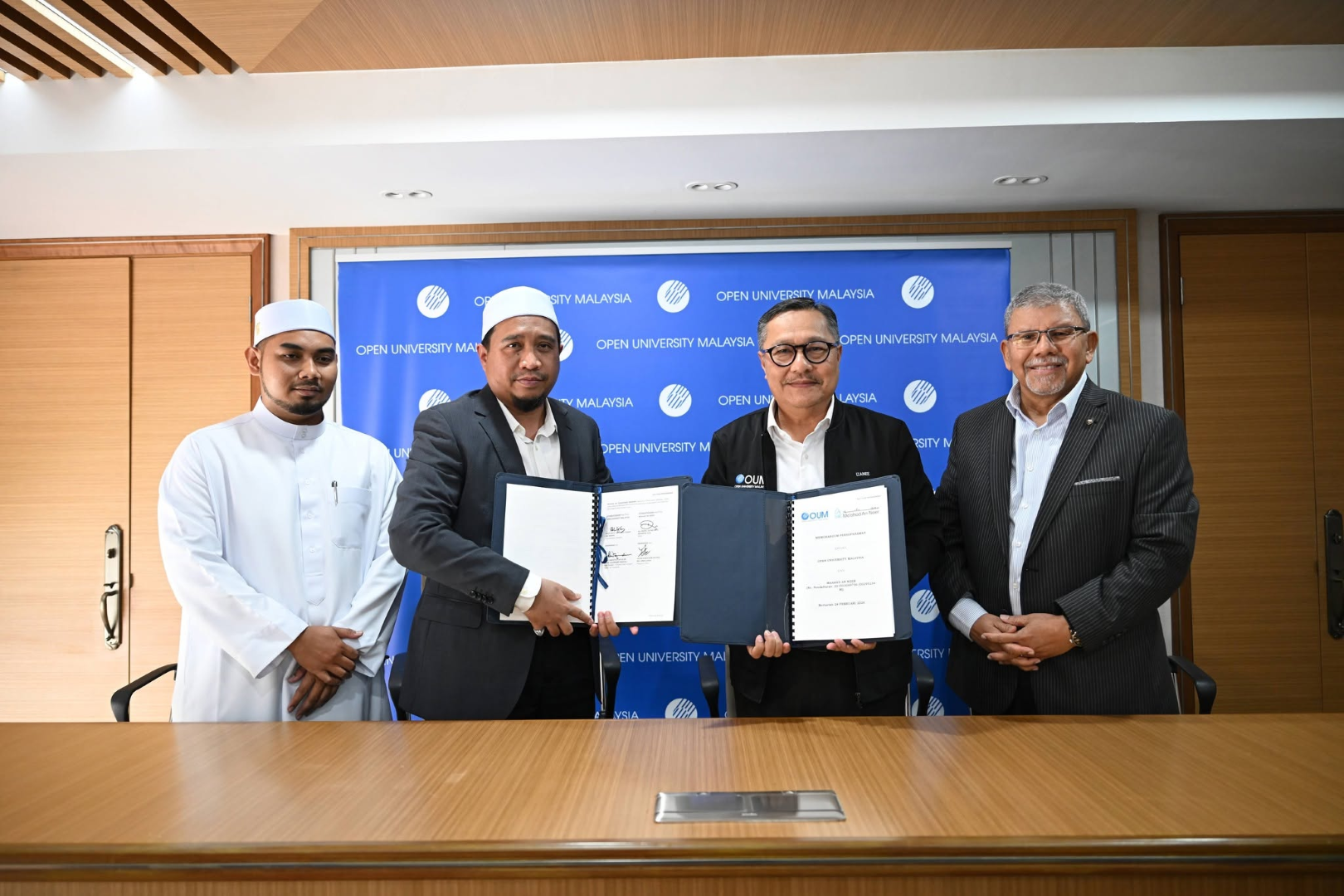
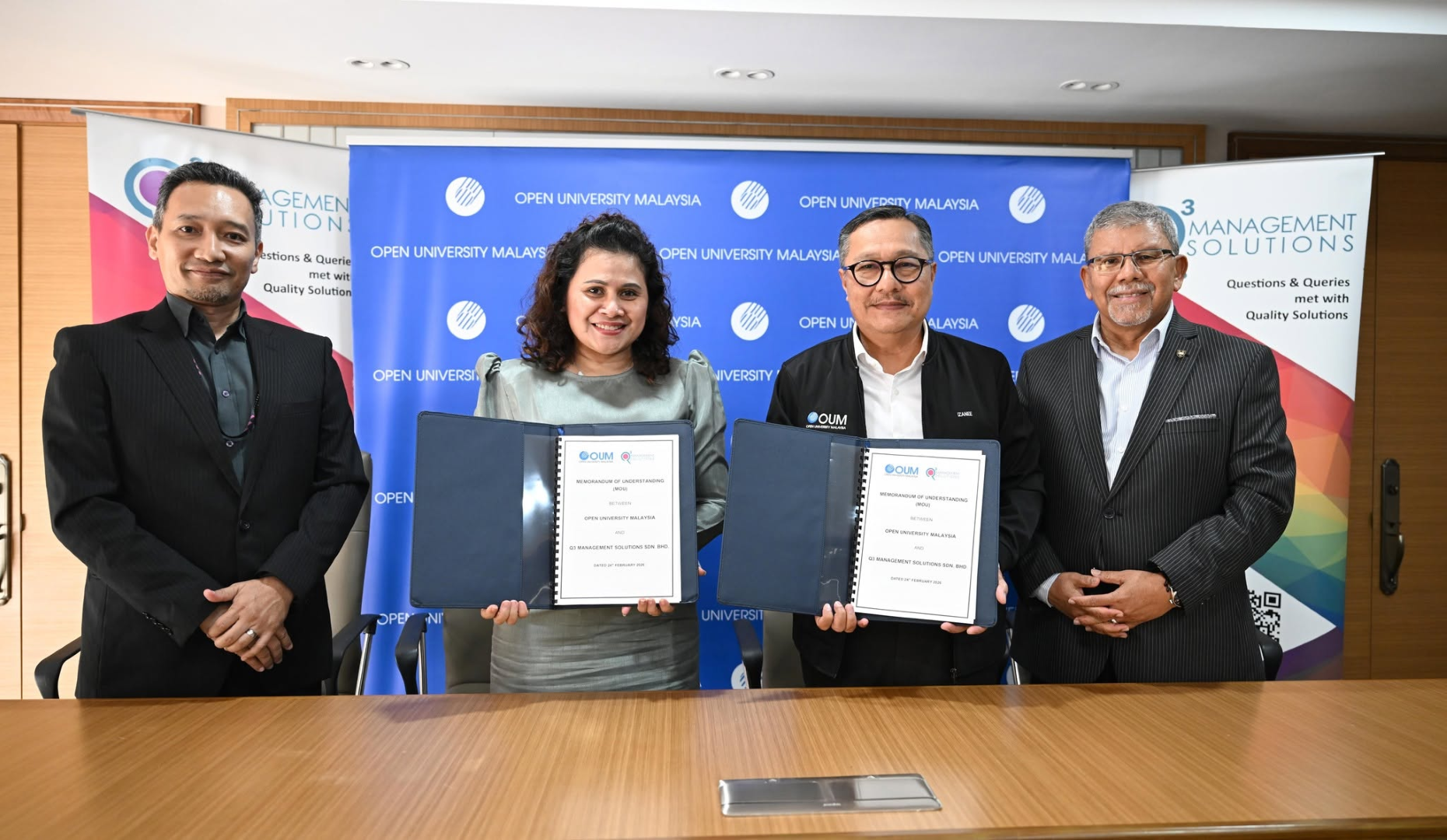
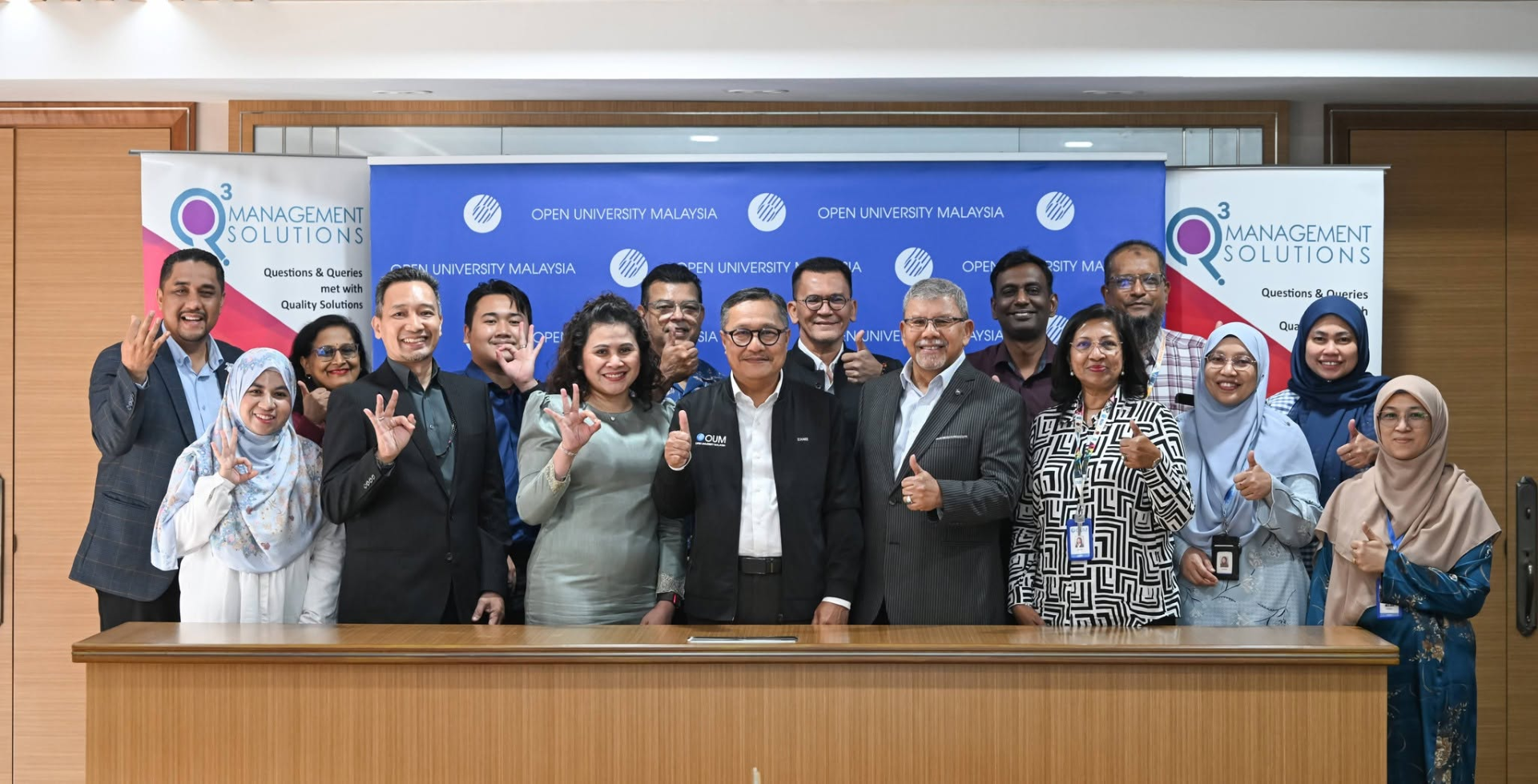
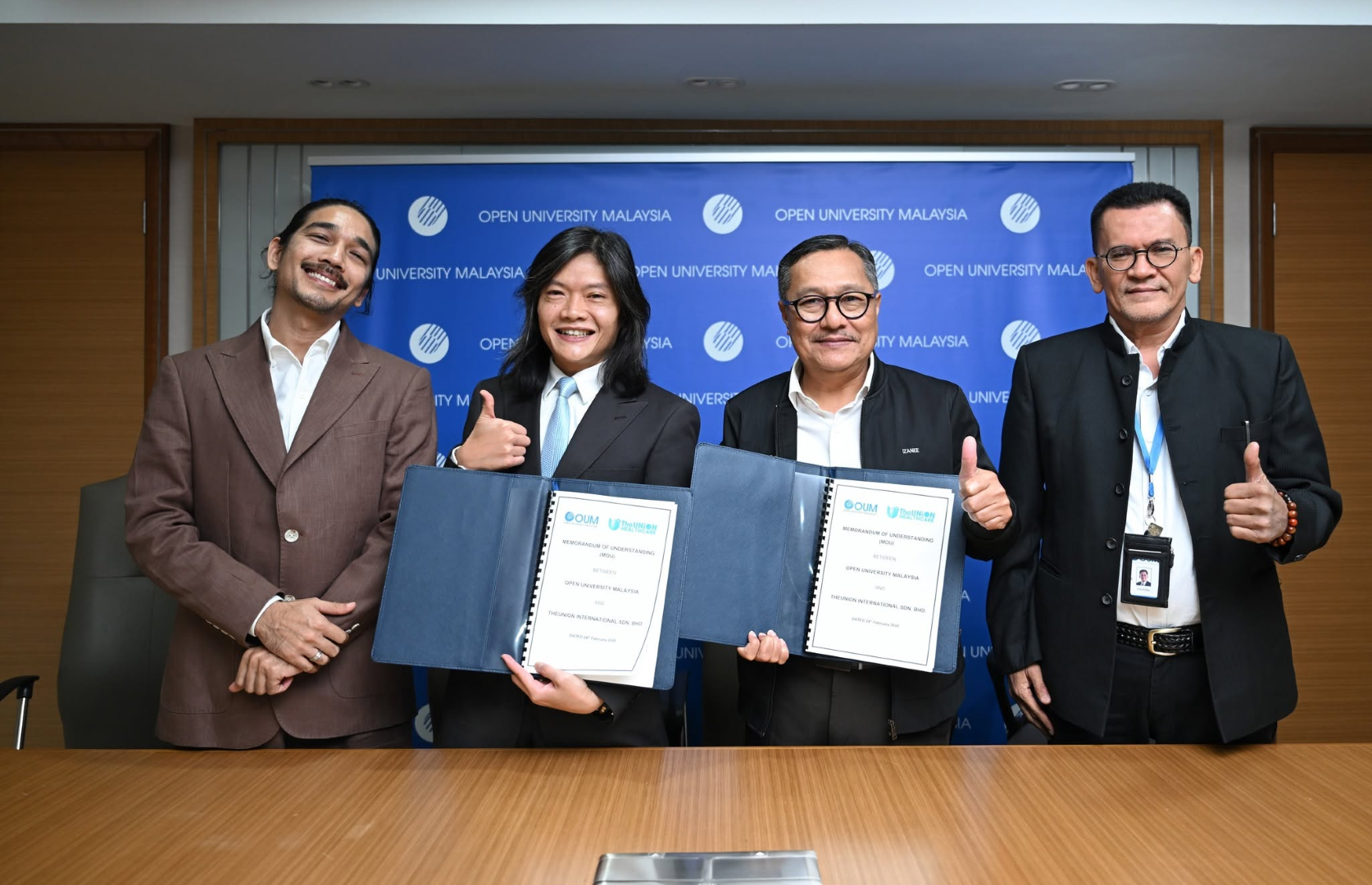
In February, collaborations with Kolej FELCRA, Kazakh-American University, Esil University, Ma’ahad An Noer, Q3 Management Solutions, and TheUNiON Healthcare focused on student mobility, micro-credentials, curriculum development, and healthcare education.
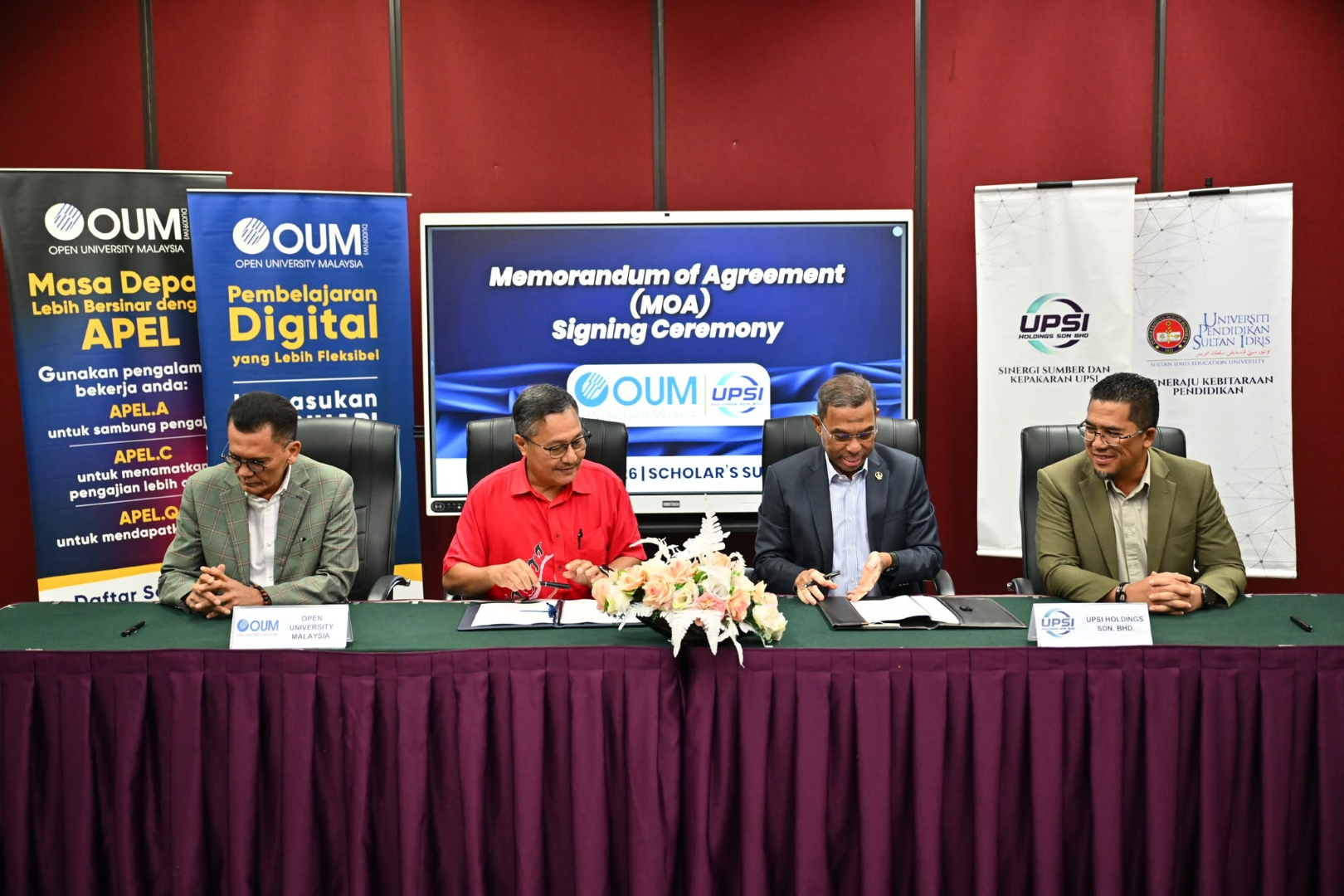
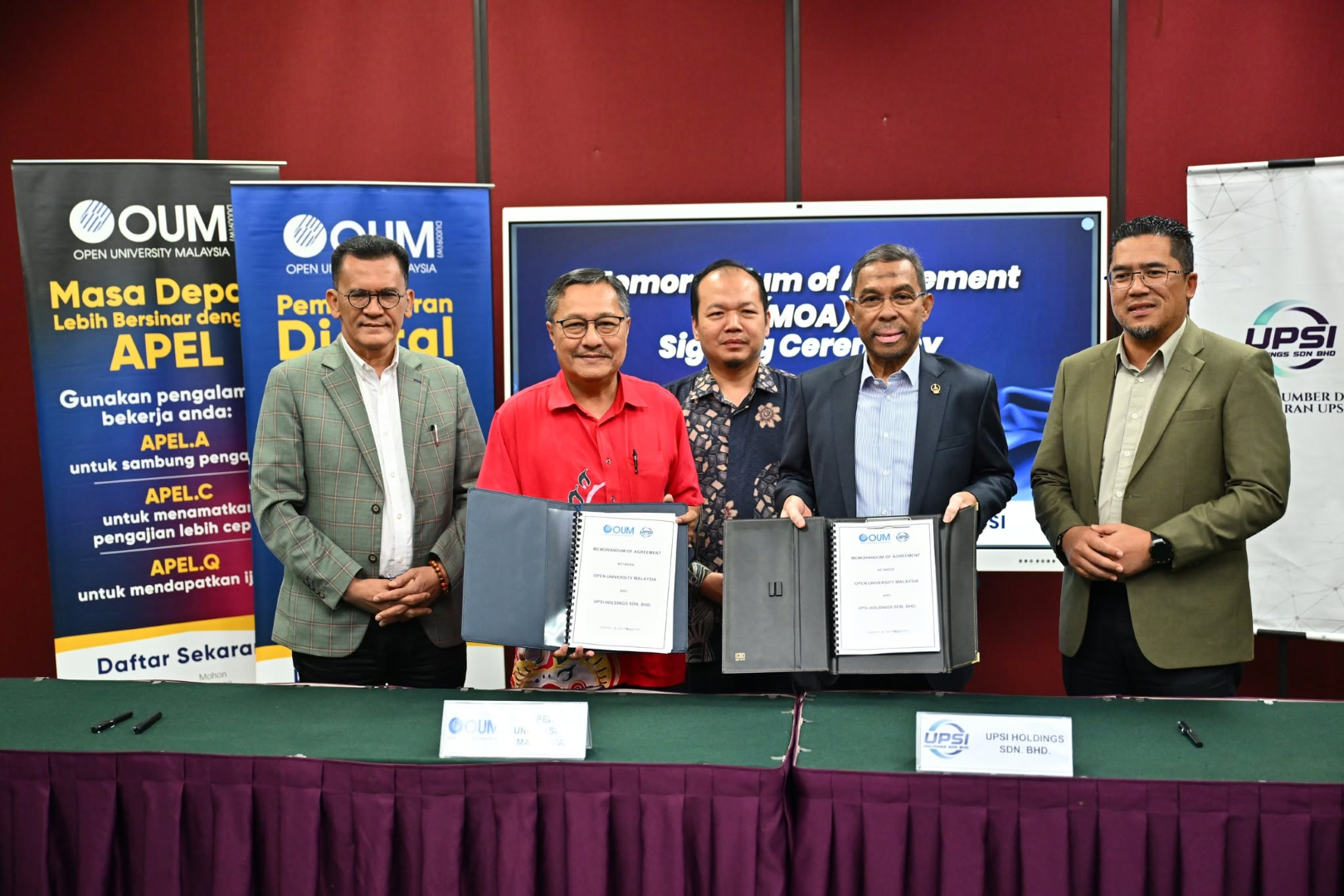
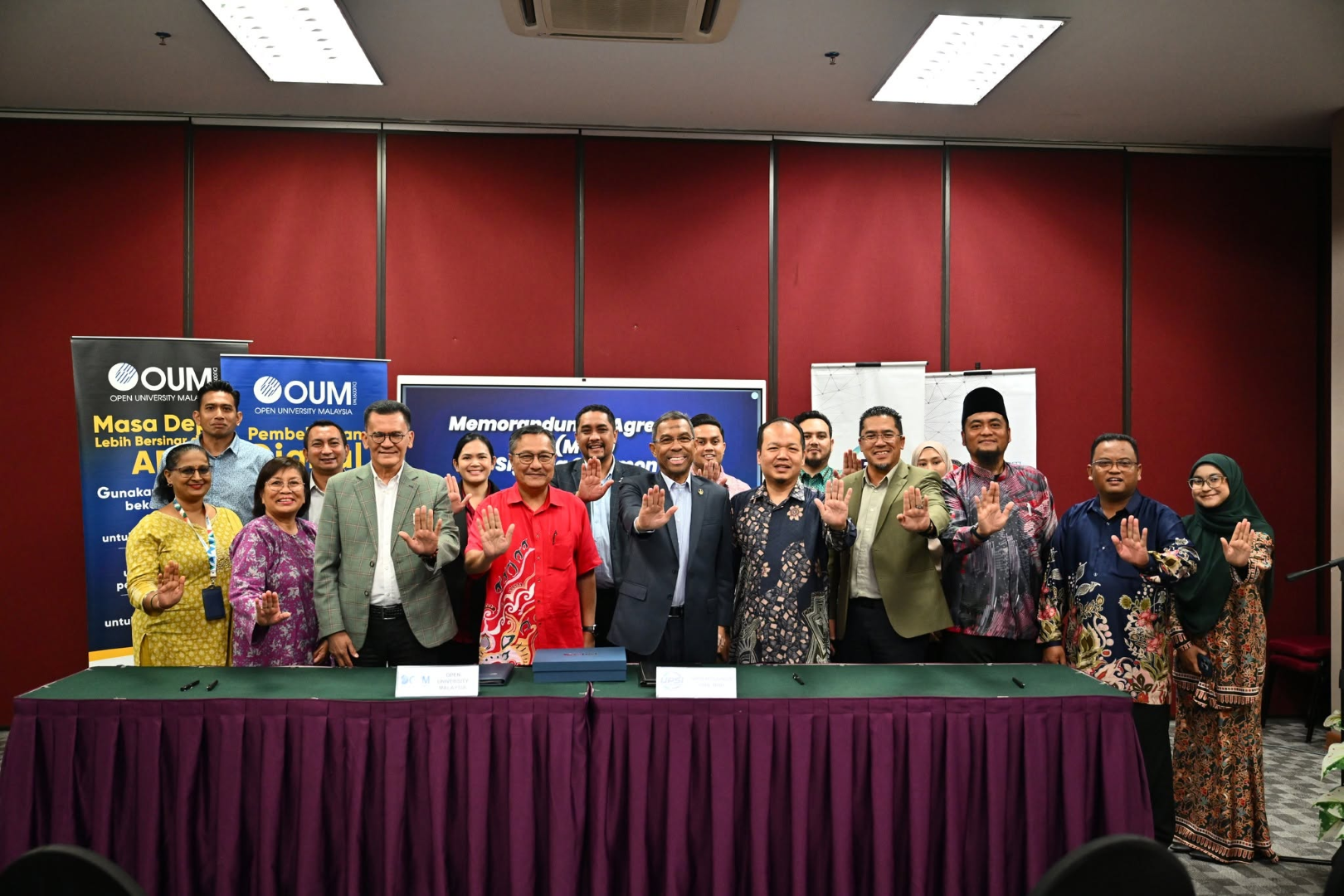
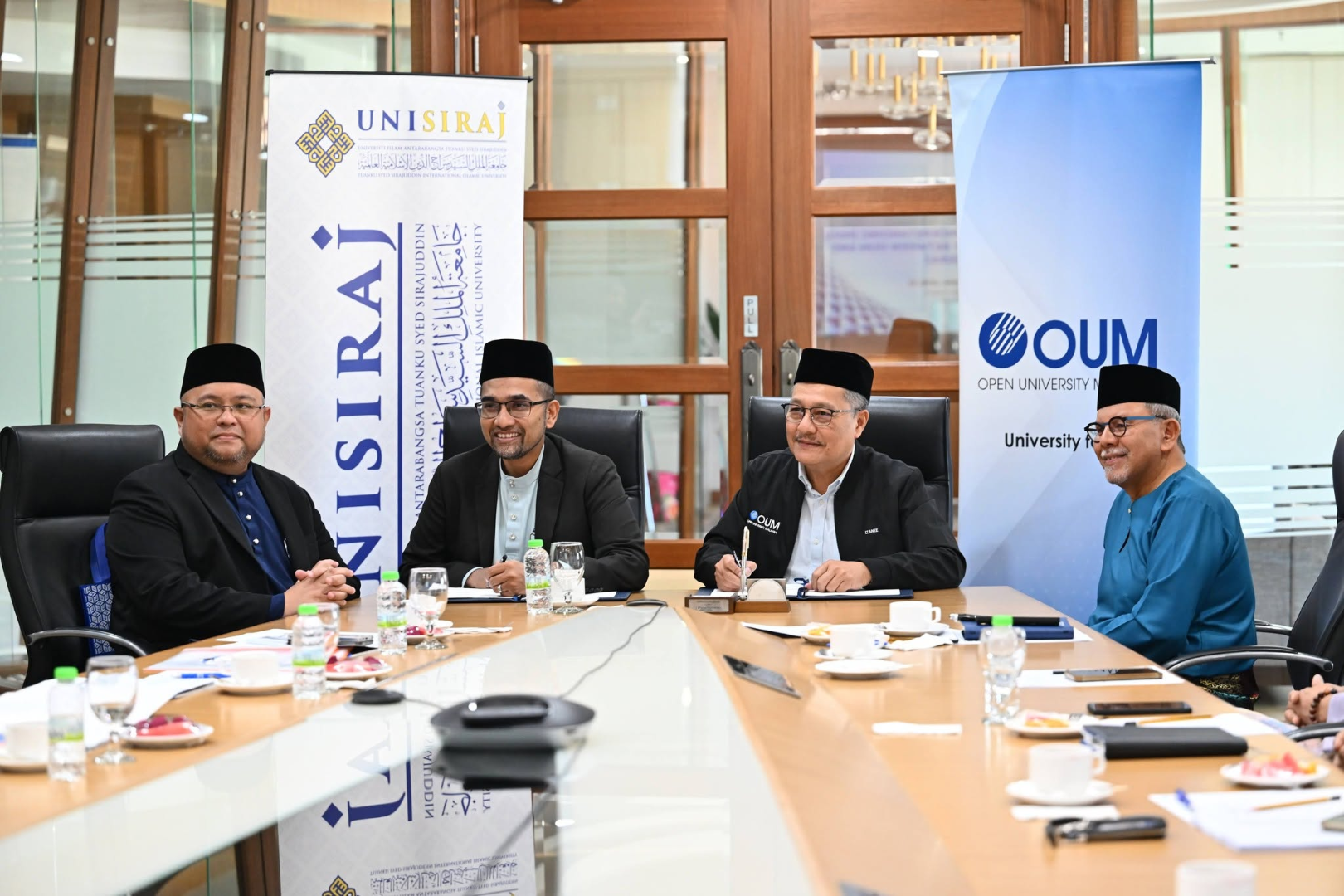
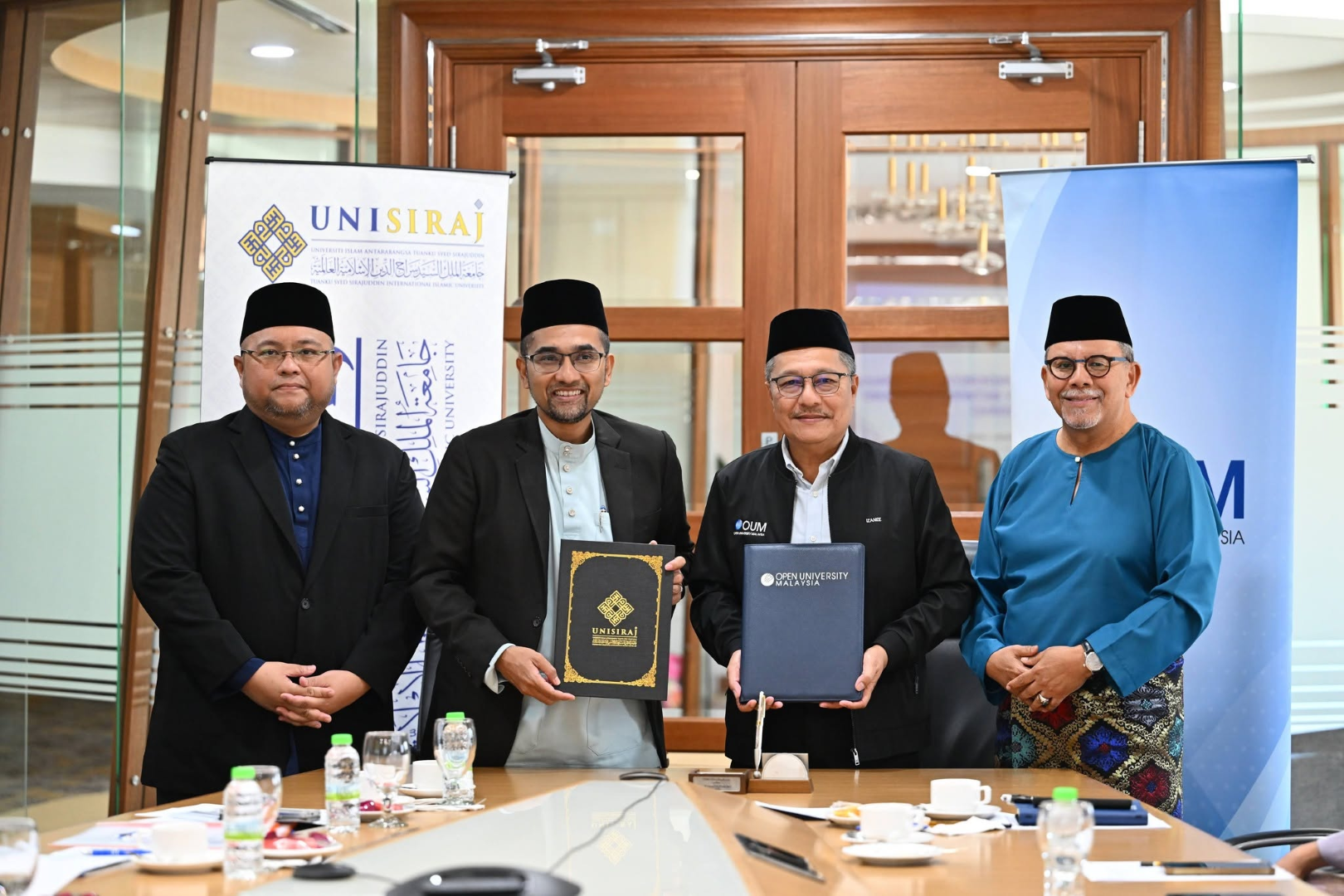
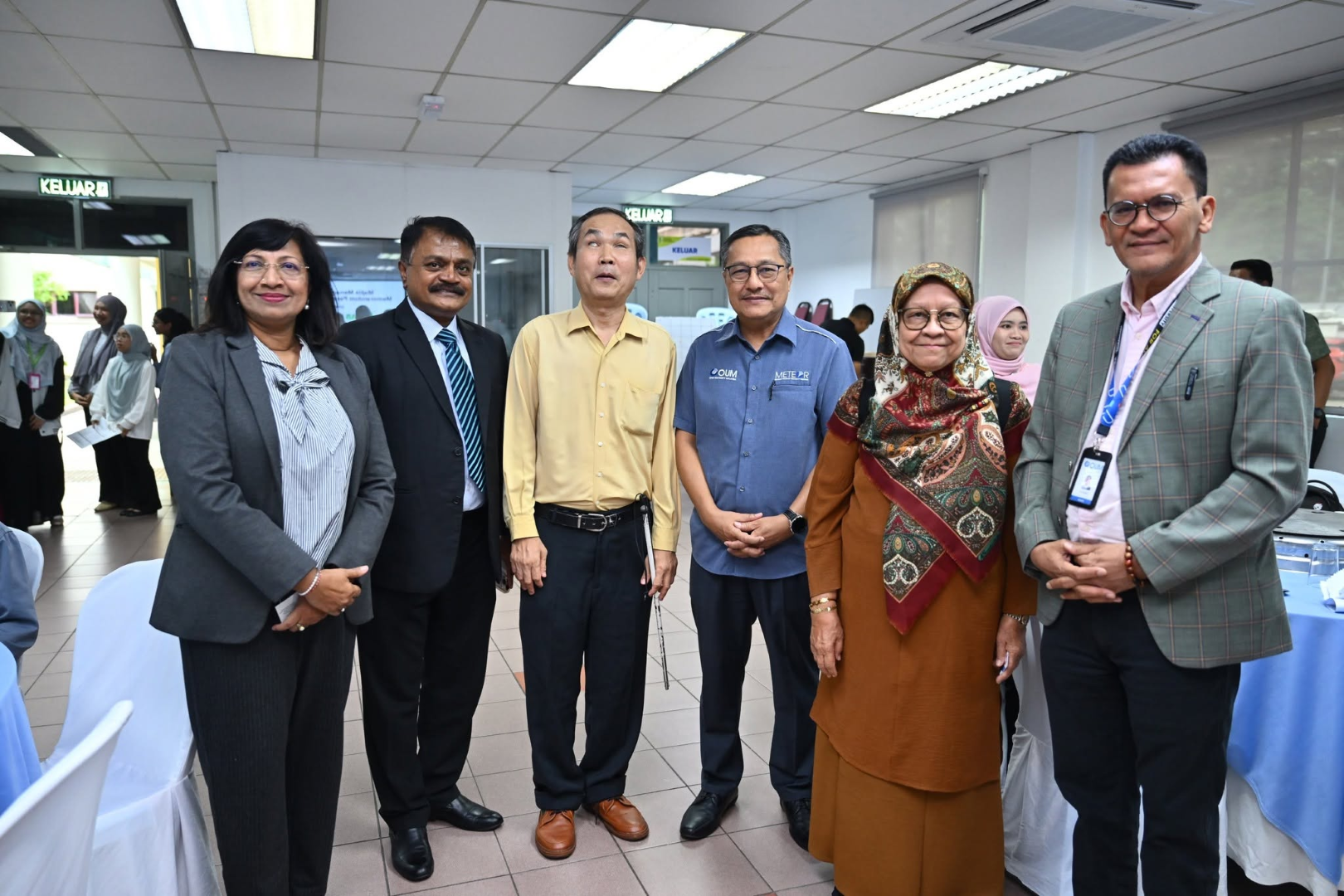
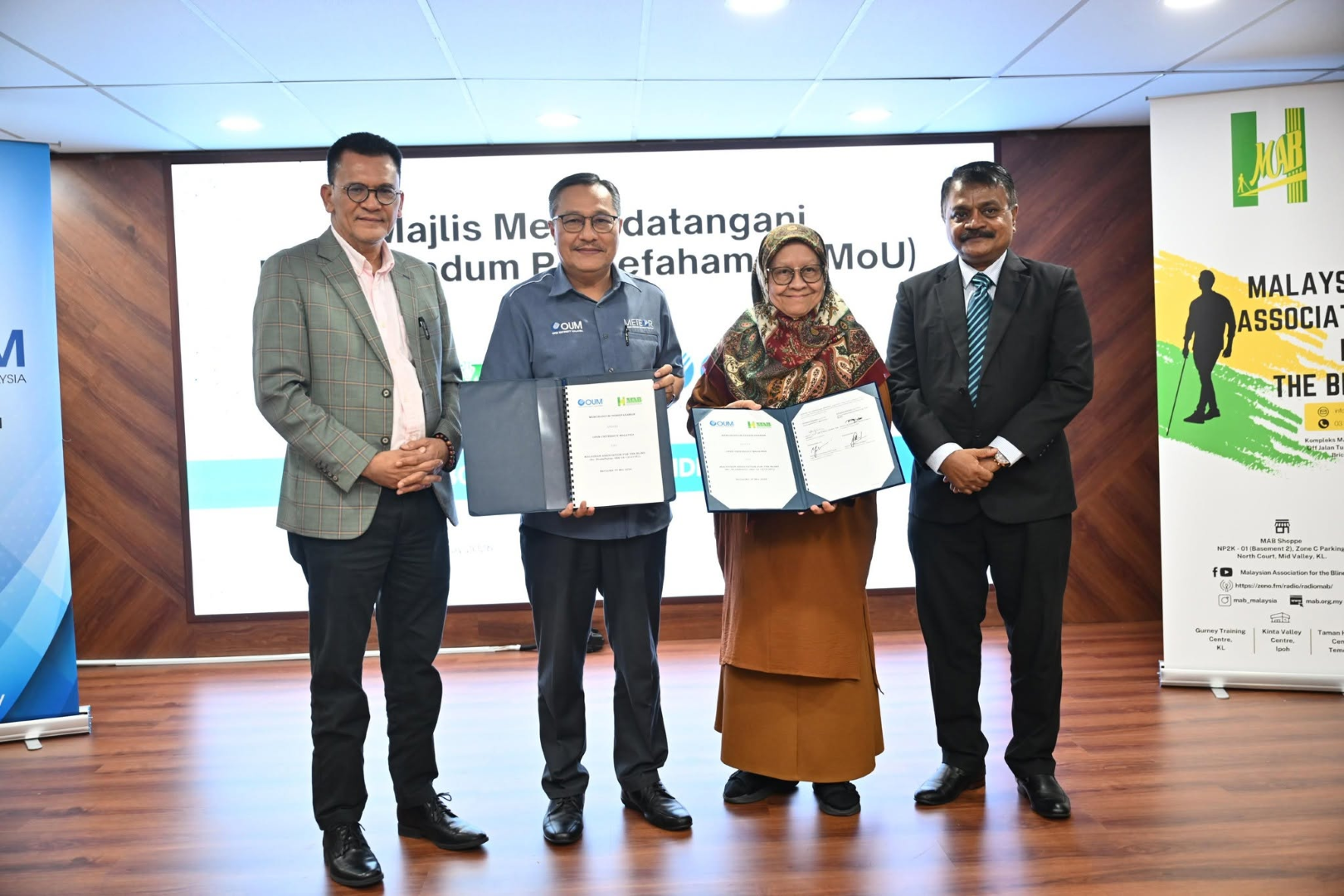
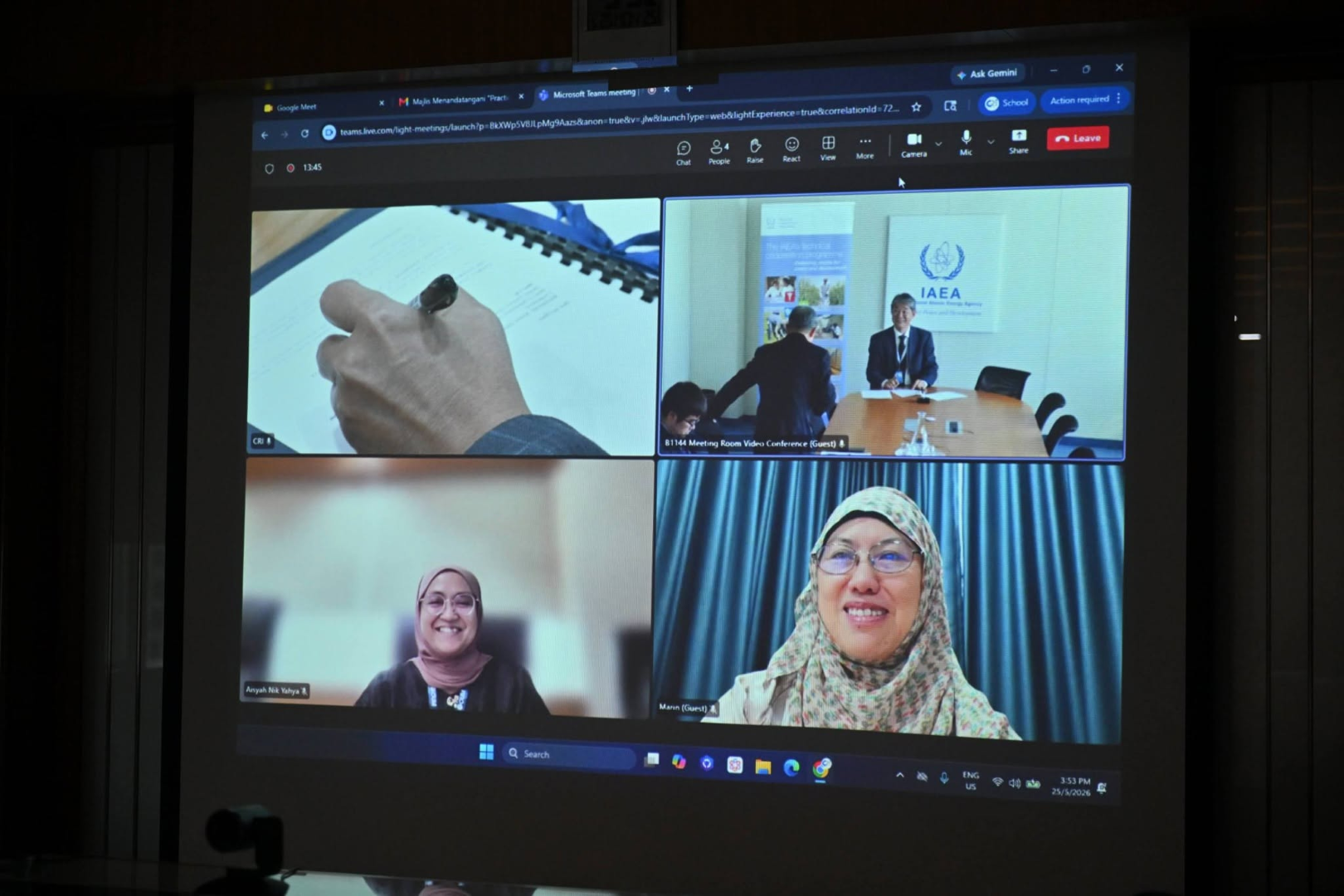
In March and beyond, OUM worked with UPSI Holdings, Universiti Islam Antarabangsa Tuanku Syed Sirajuddin (UniSIRAJ), the Malaysian Association for the Blind (MAB), and the International Atomic Energy Agency (IAEA), focusing on inclusive education, AI-enabled learning, and specialised training in nuclear science and technology.
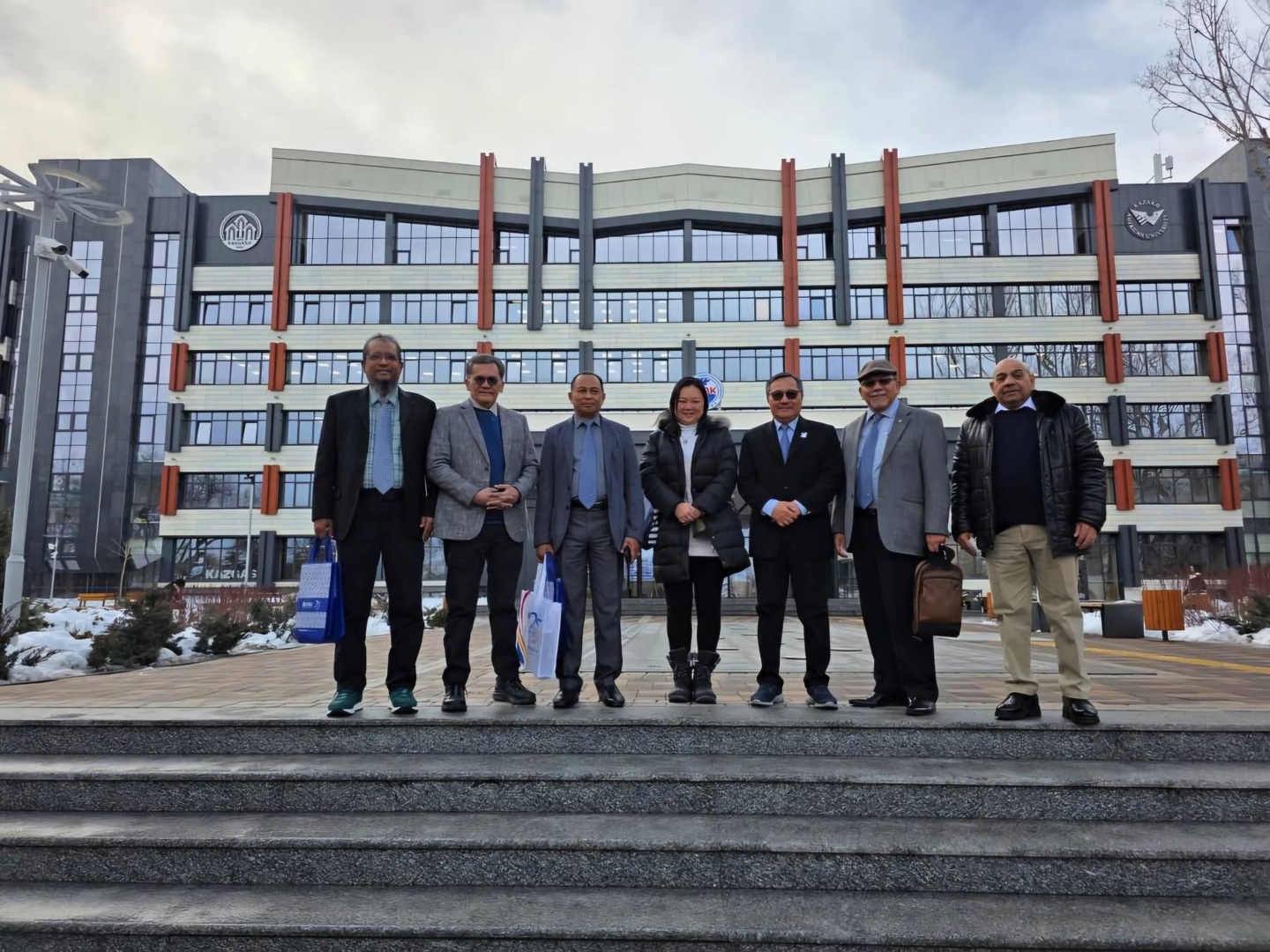
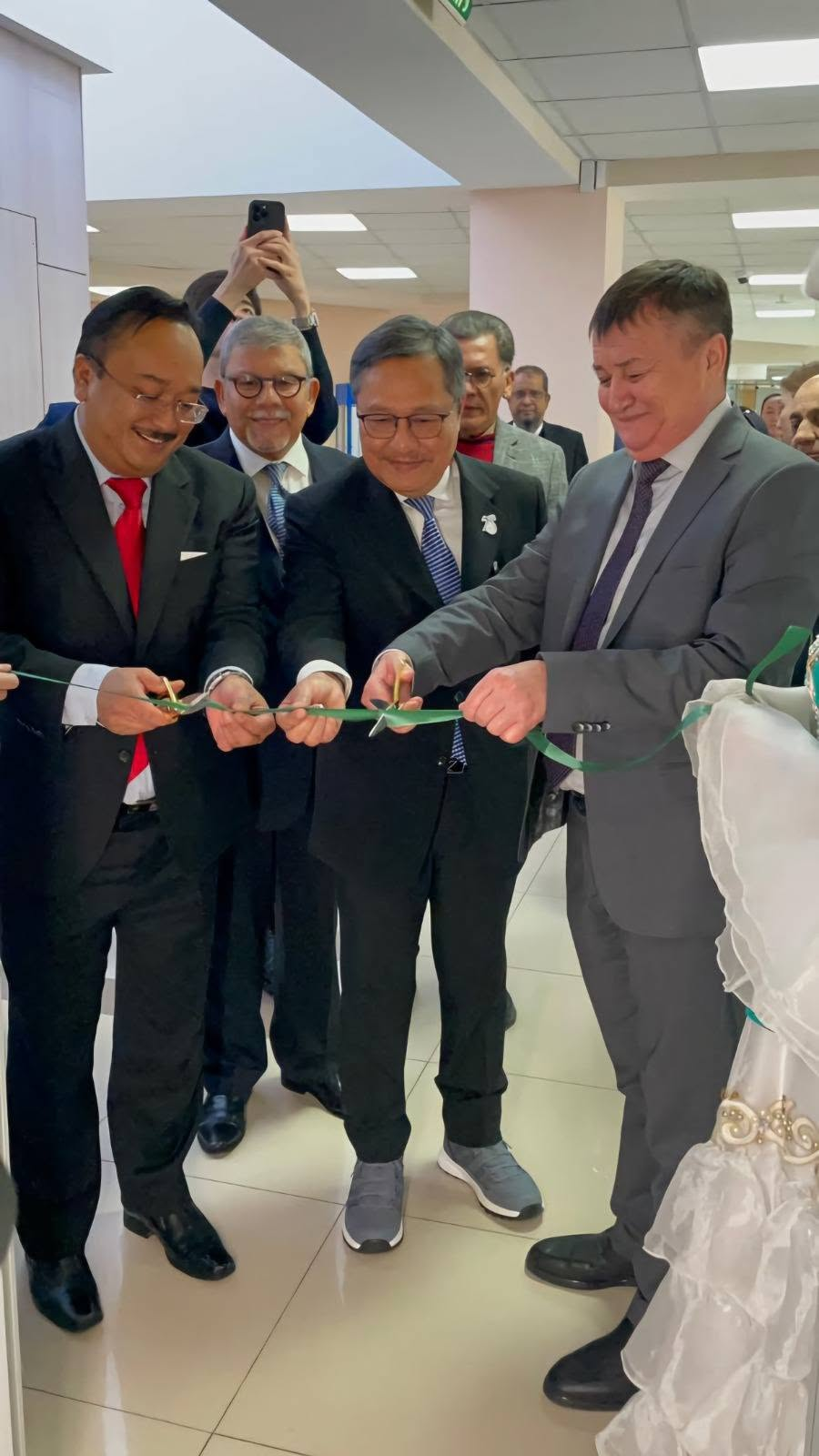
A key milestone was the establishment of the OUM International Centre (OUMIC) in Astana, expanding OUM’s presence in Central Asia.
Knowledge Exchange
OUM’s MyINSPIRE platform and ODDE model attracted institutions exploring digital transformation in higher education.
Visiting Institutions
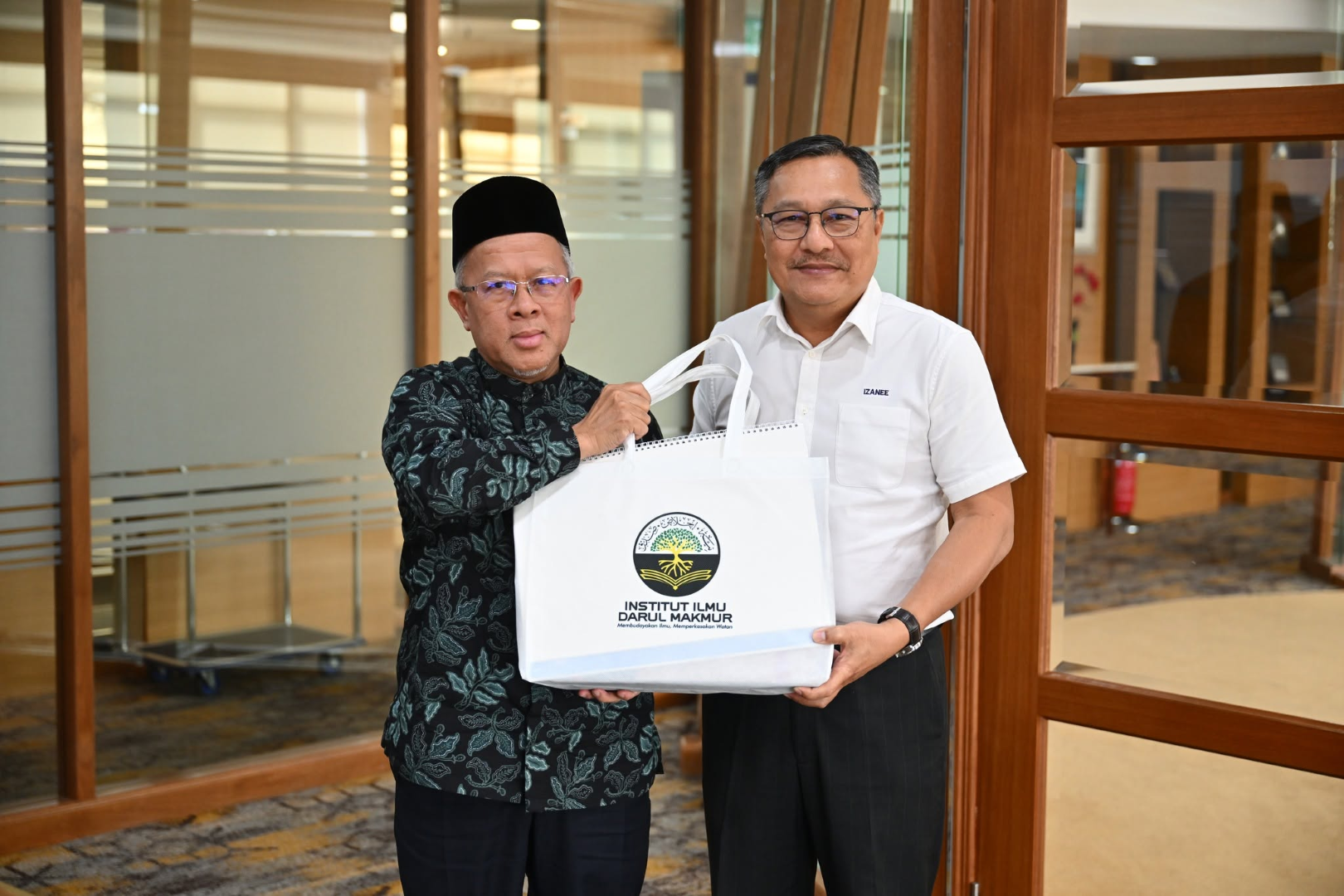
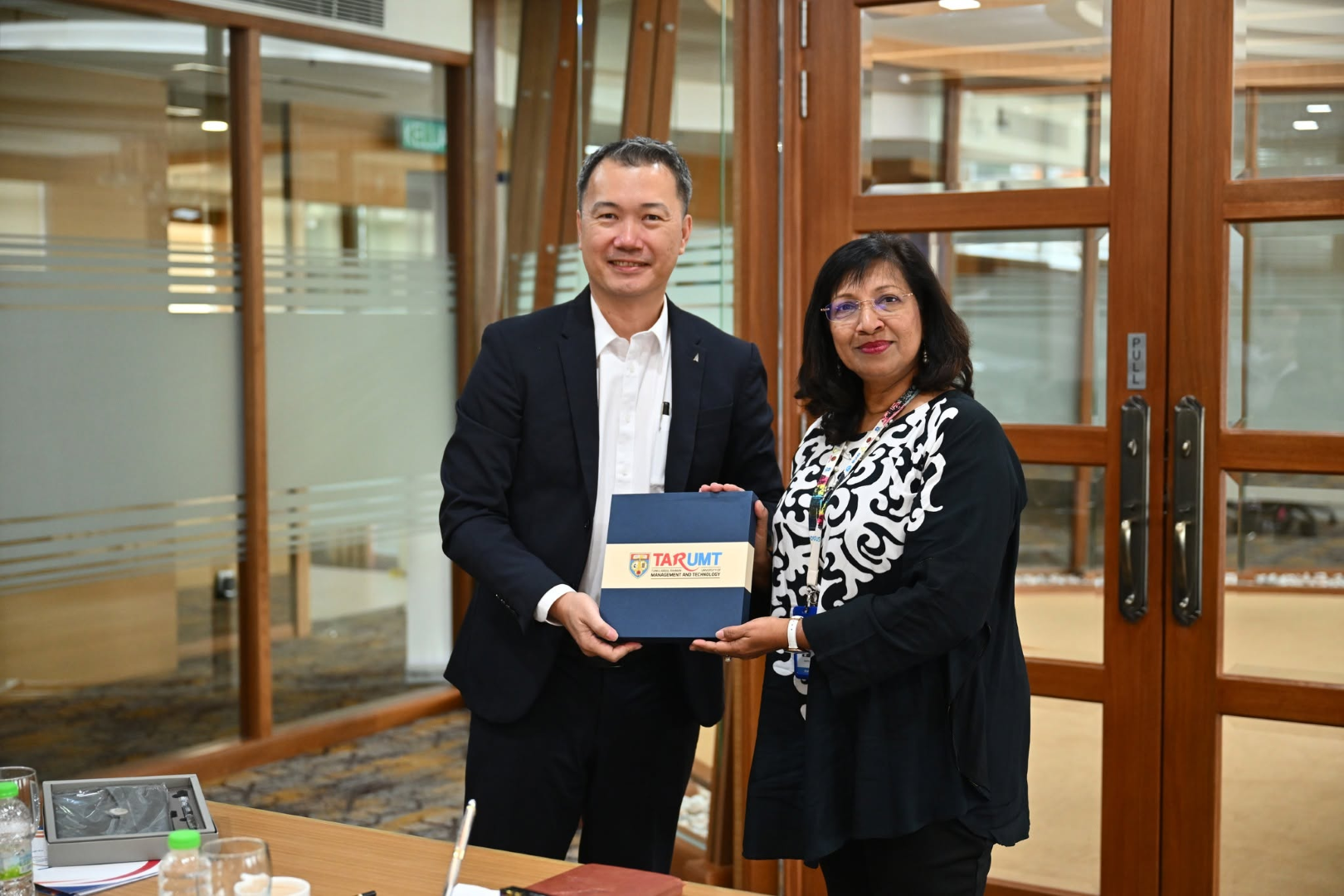
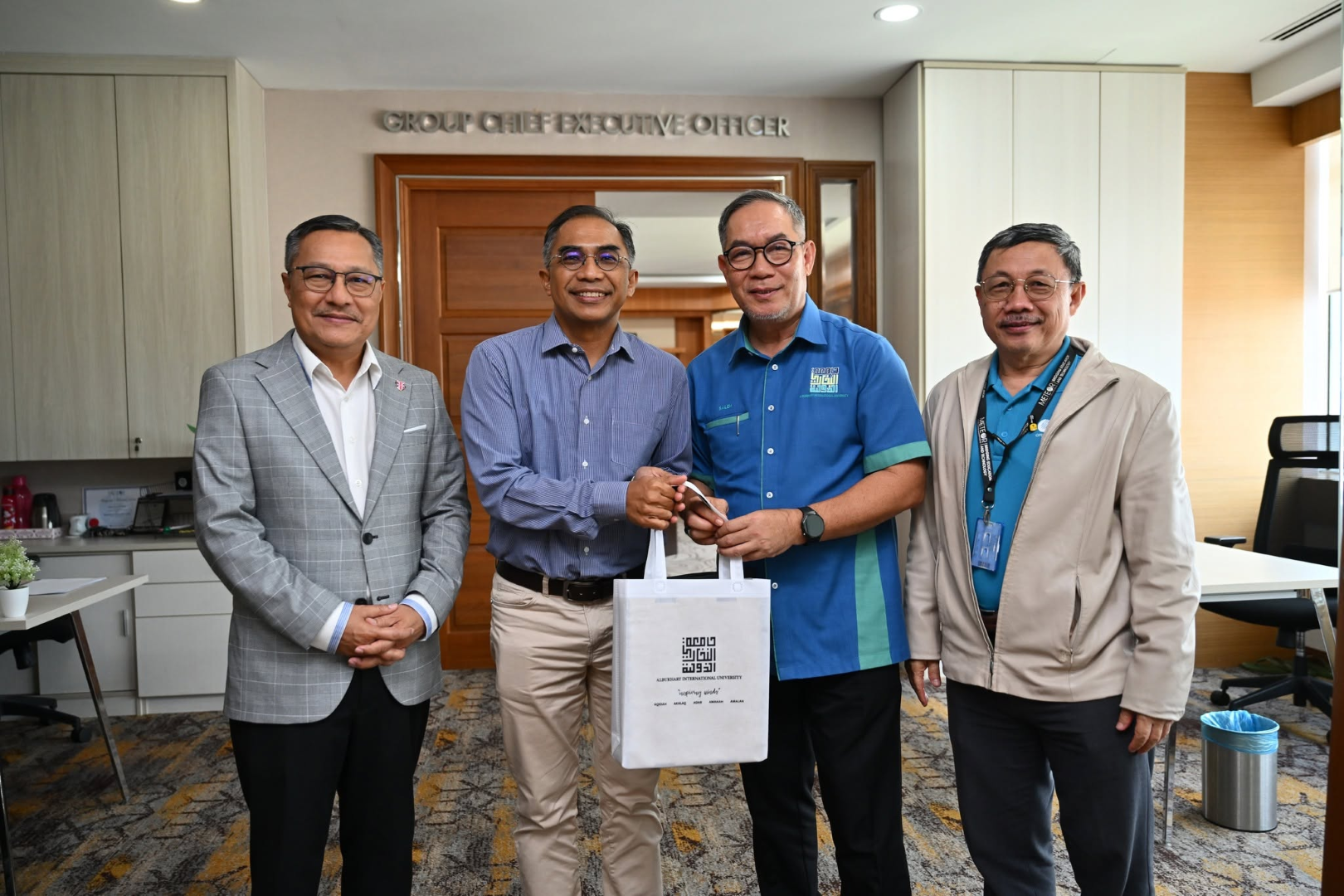
Local visitors included TAR UMT, UPNM, USM, Albukhary International University, Institut Ilmu Darul Makmur, and Pusat Kutipan Zakat Pahang.
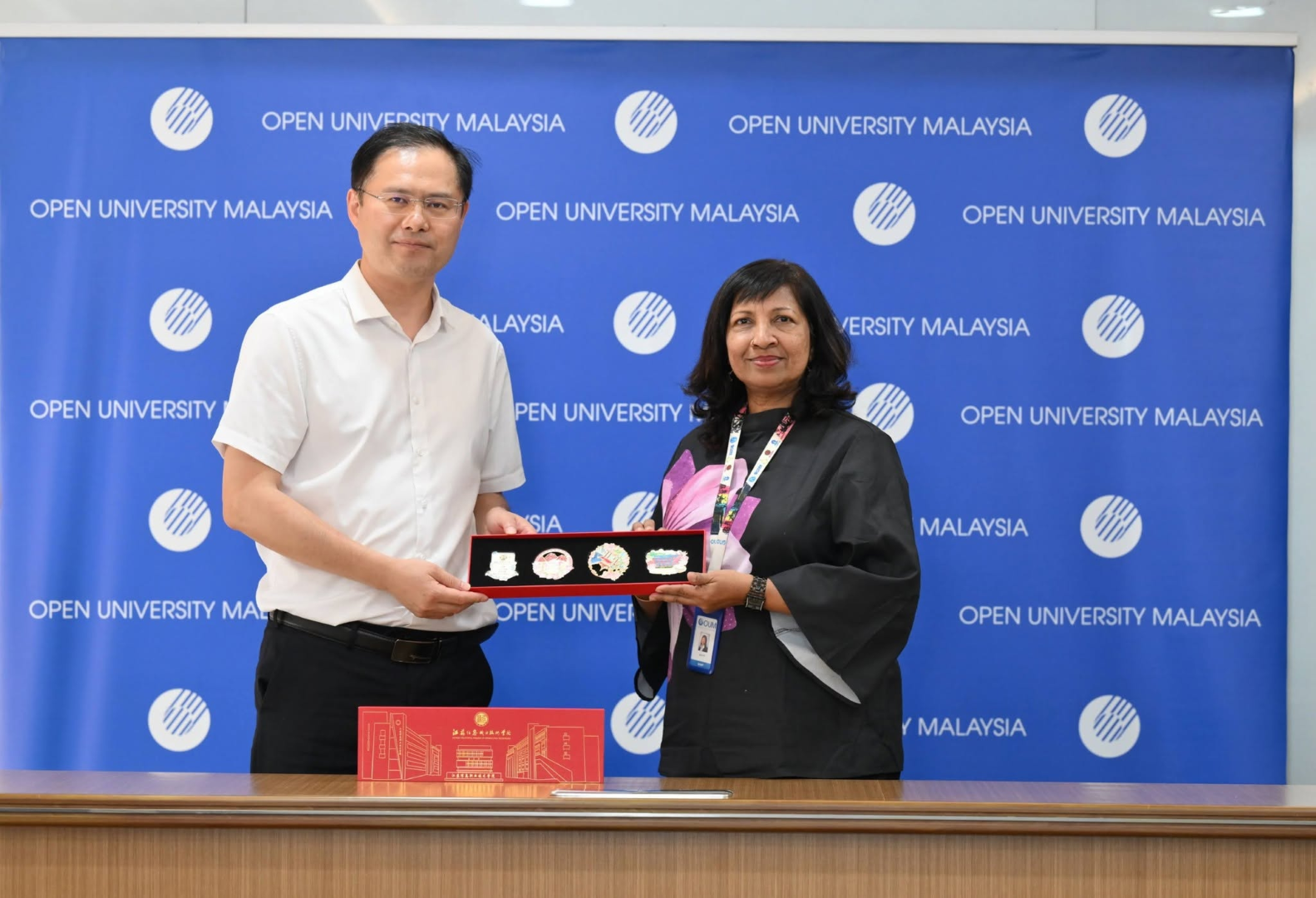
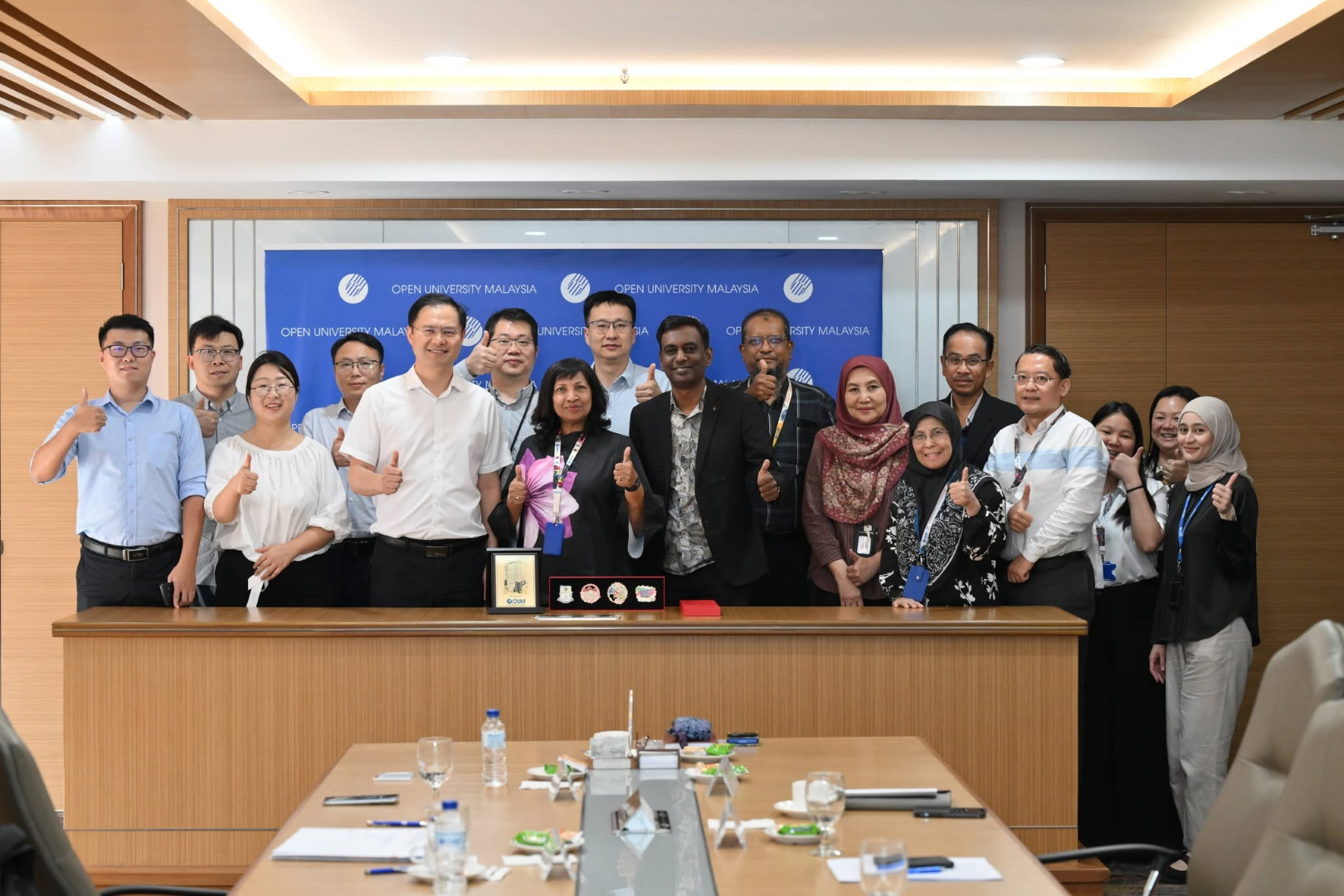
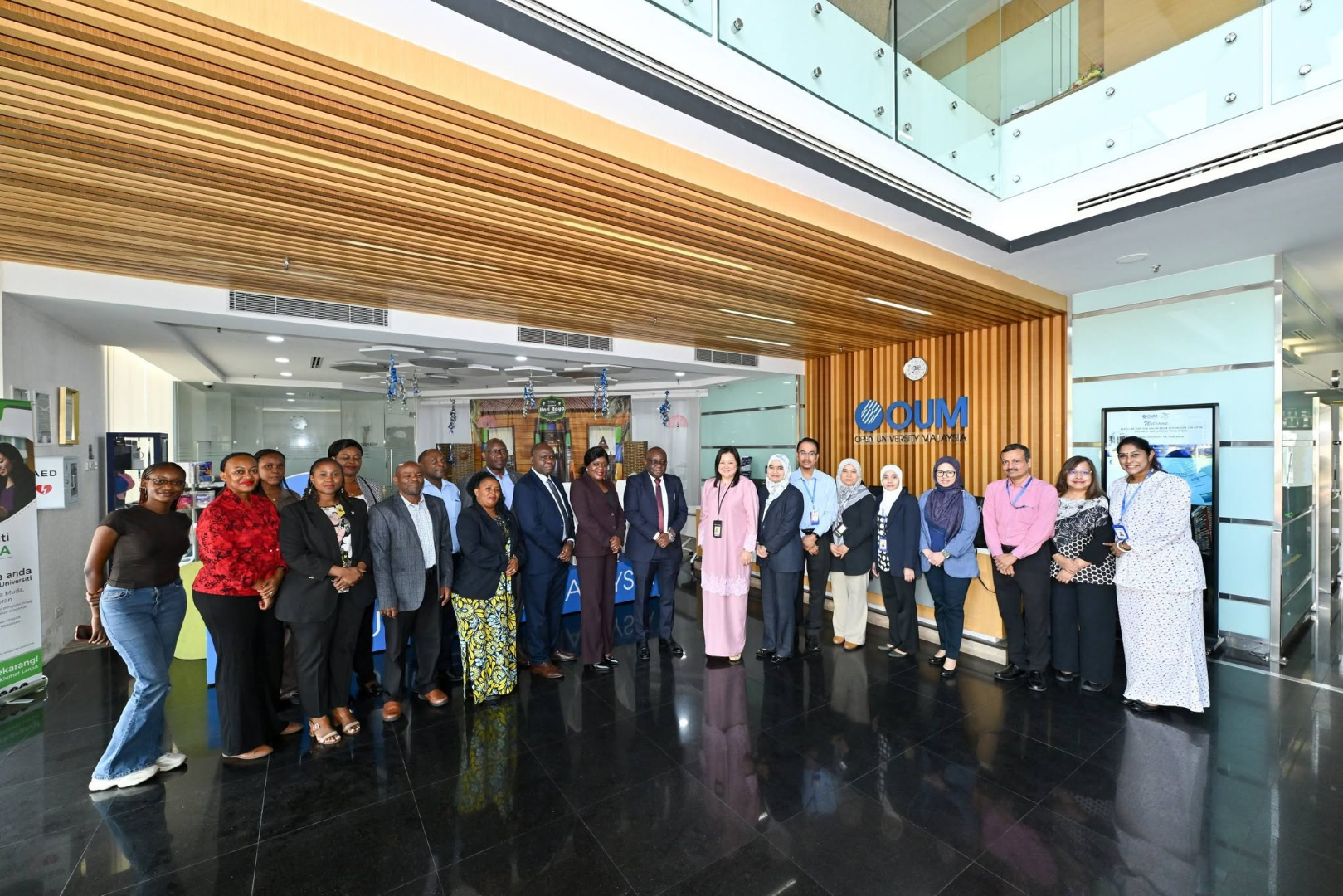
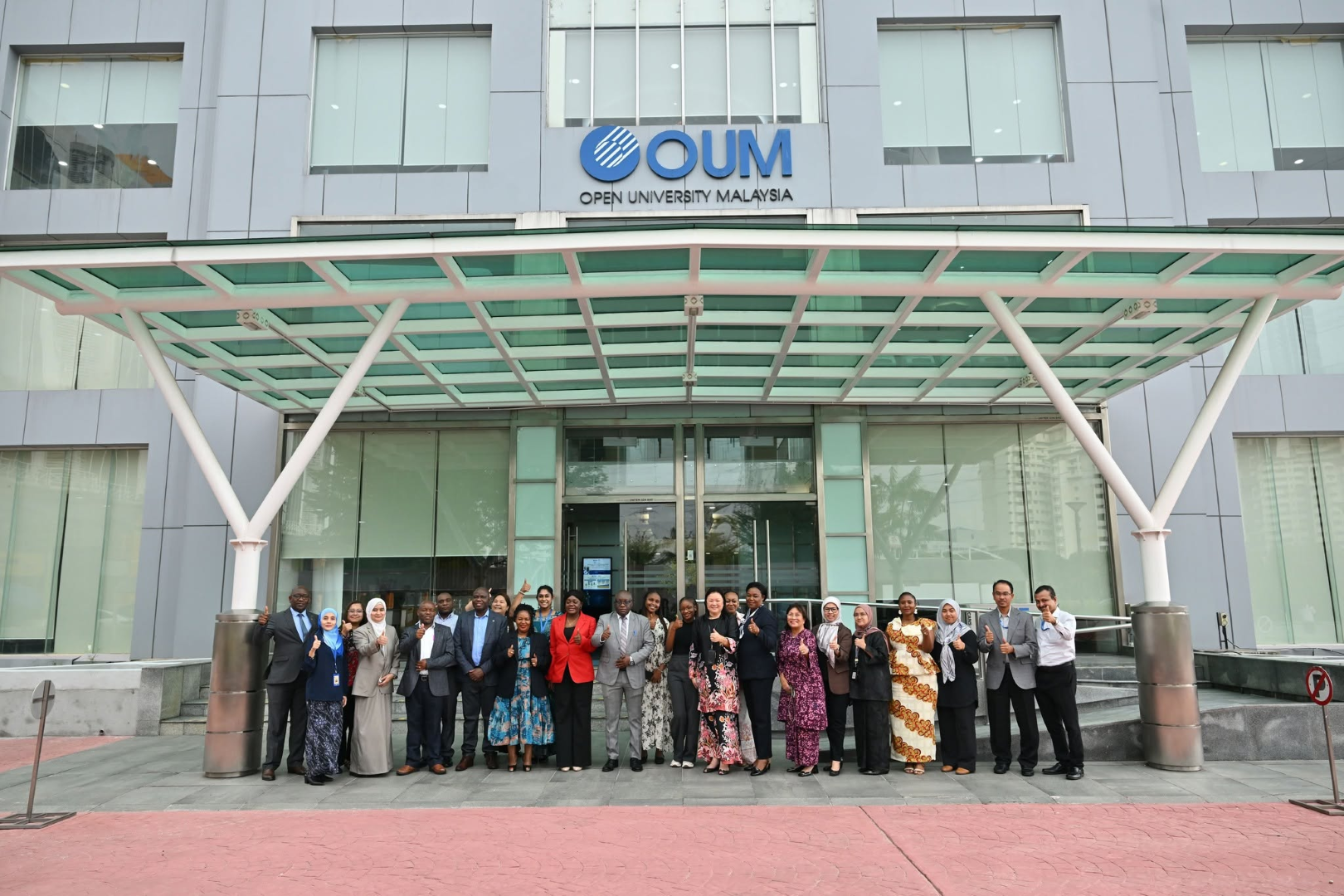
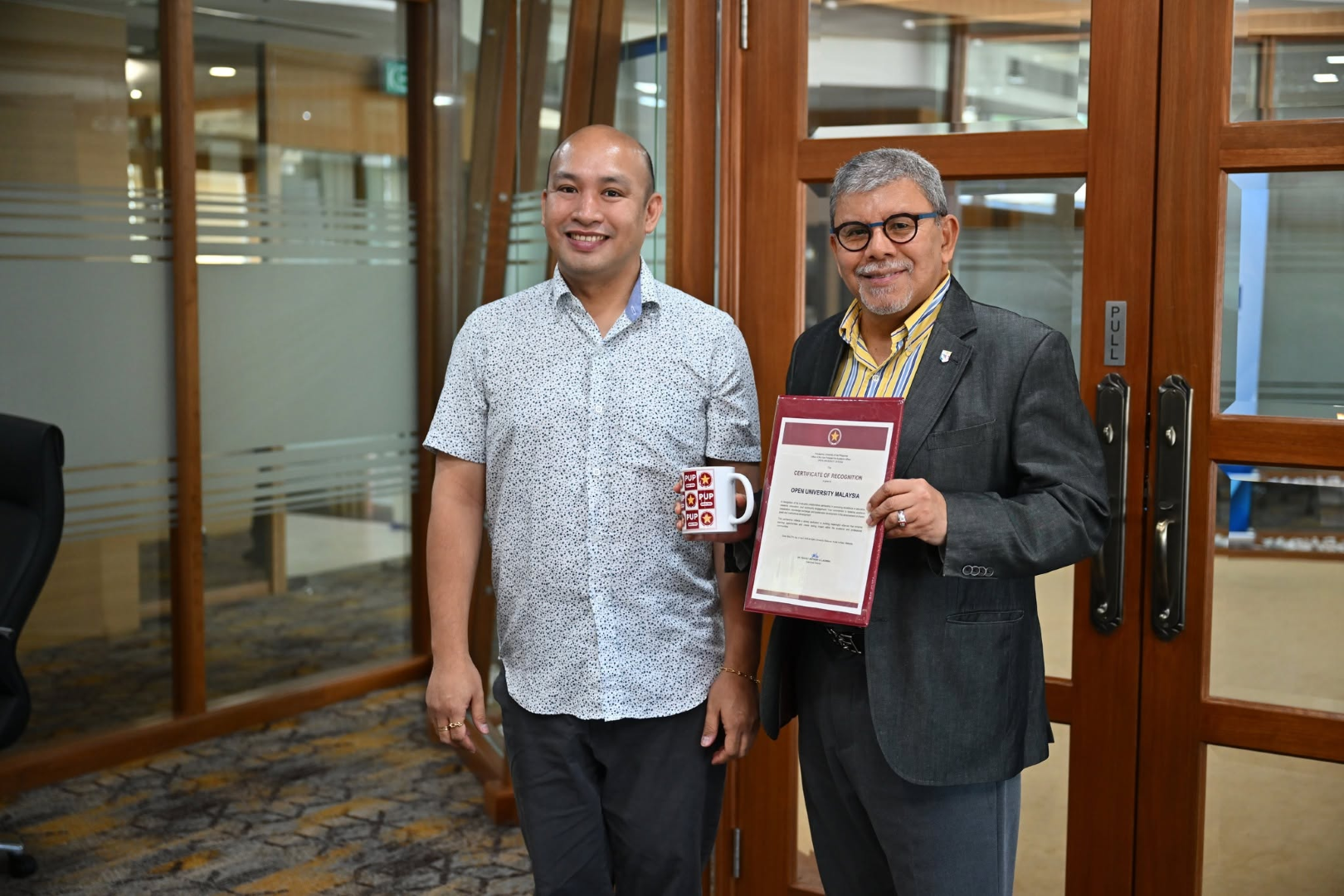
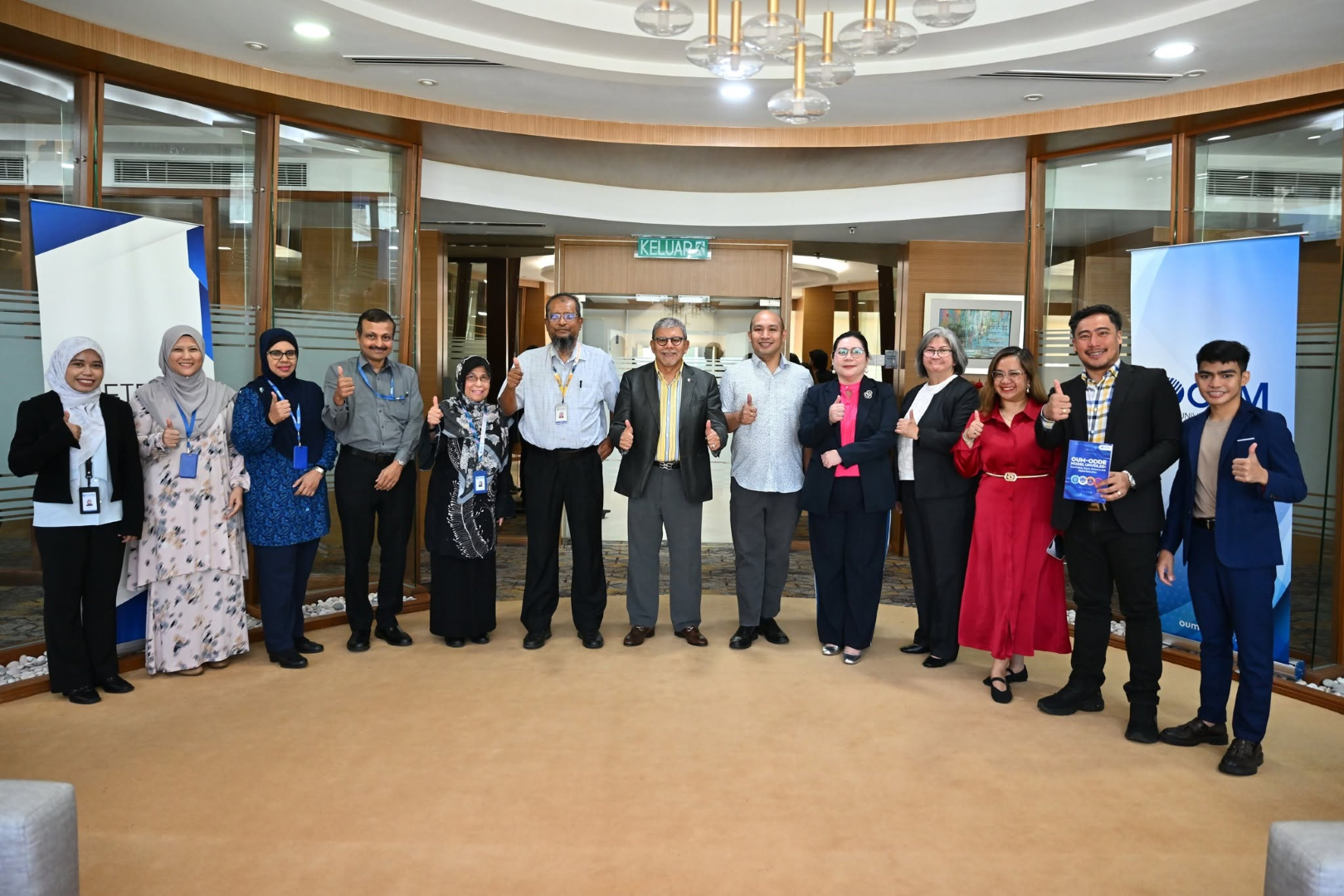
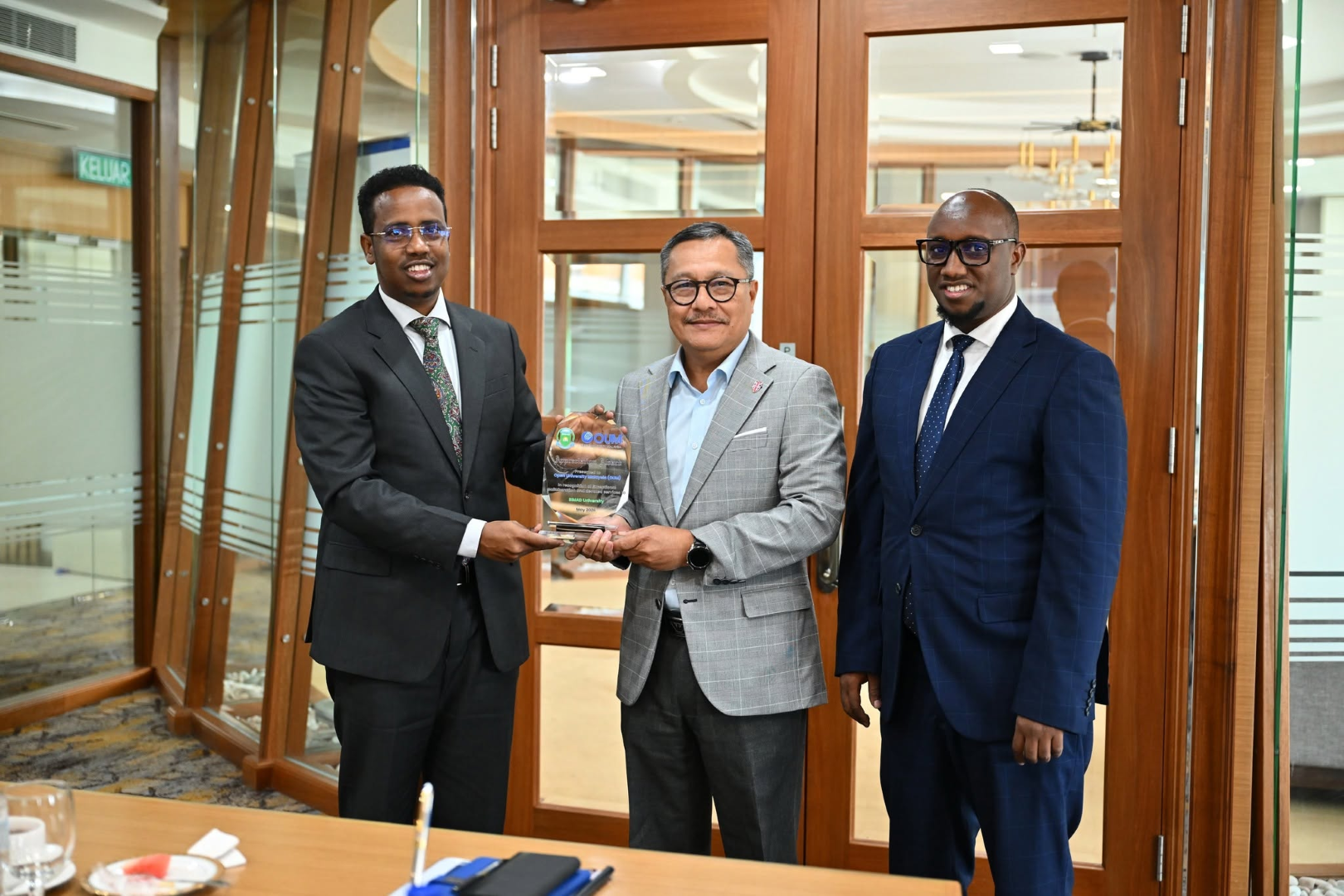
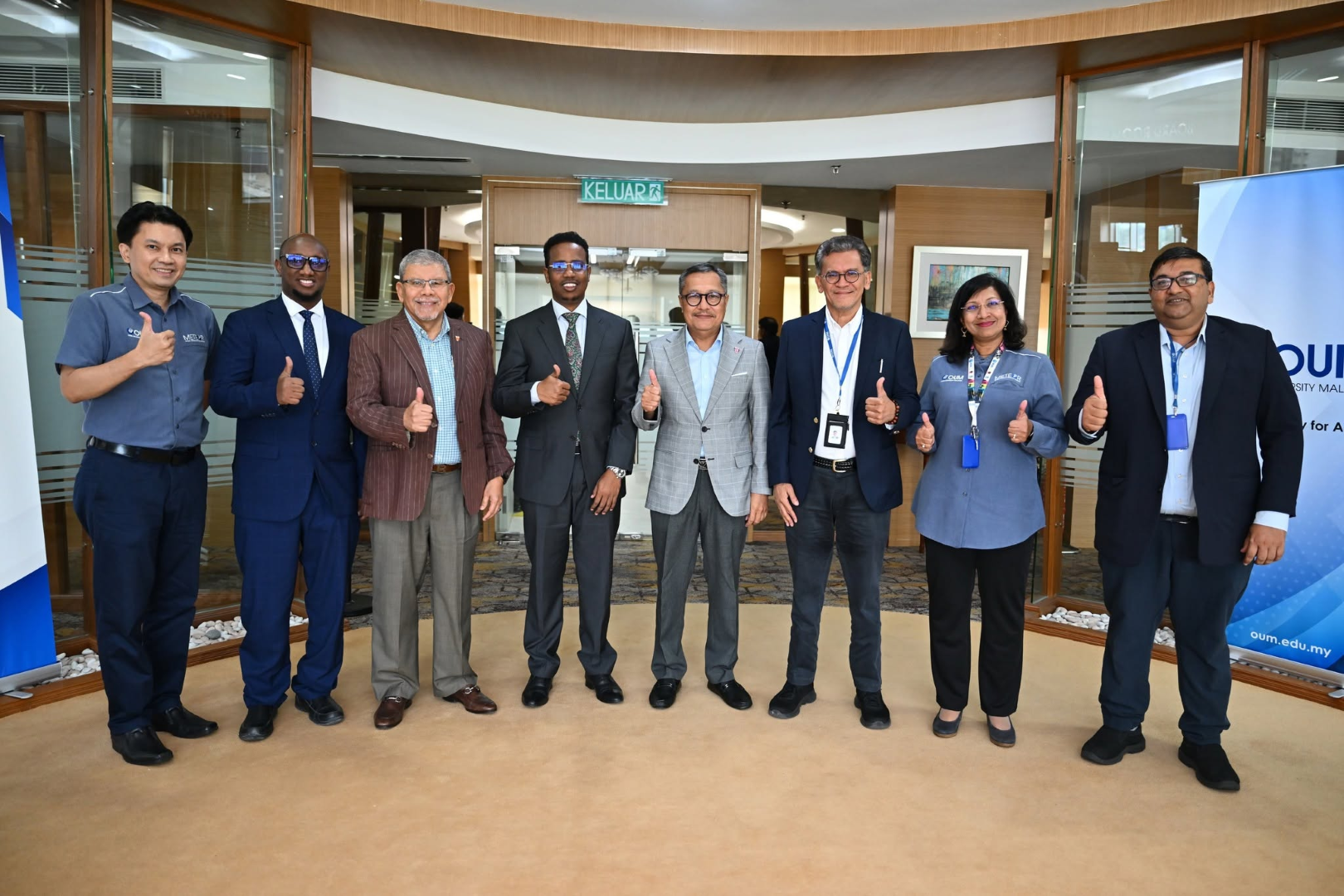
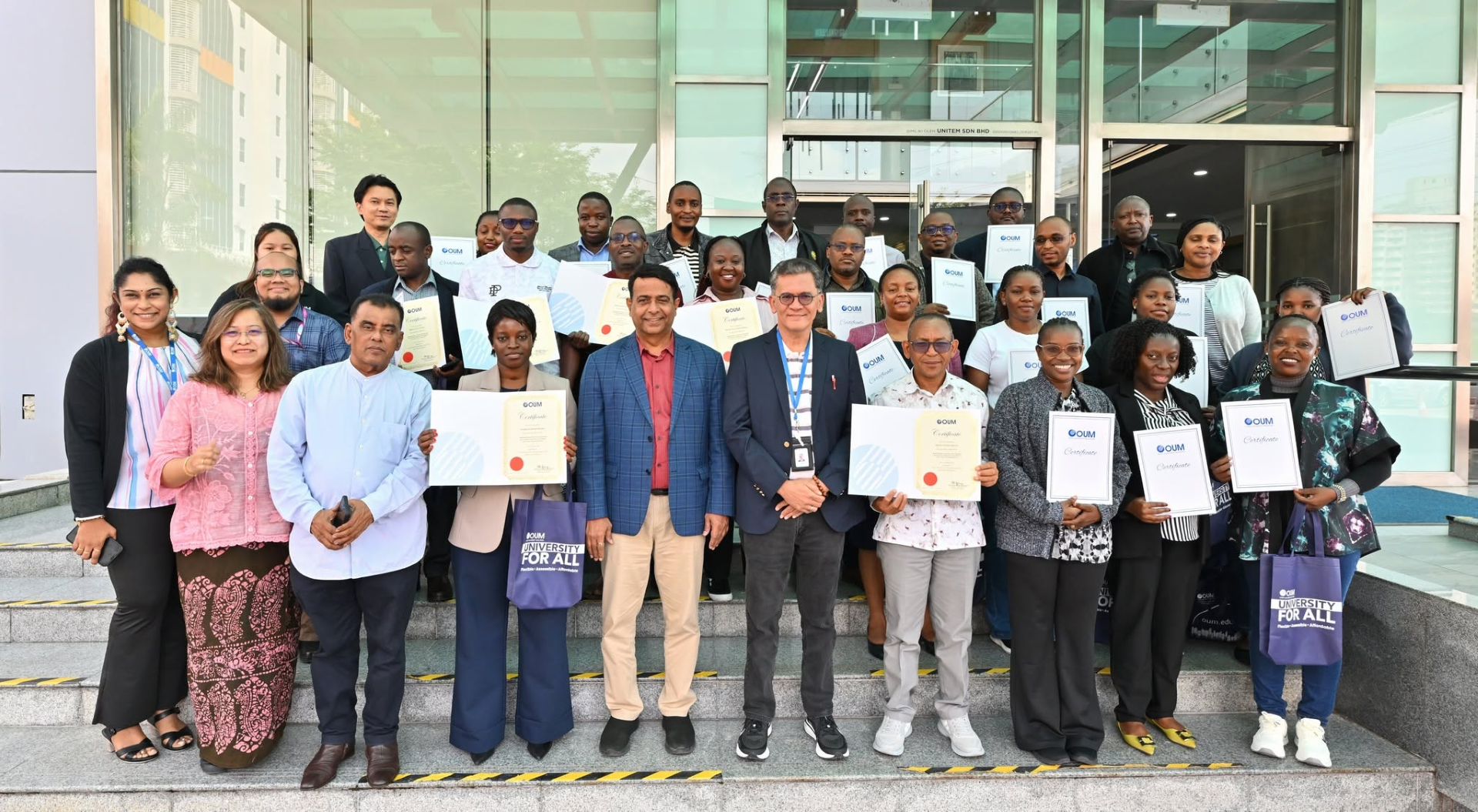
International visitors included Jiangsu Vocational College of IT (China), Open University of Tanzania, Polytechnic University of the Philippines Open University System, and SIMAD University.
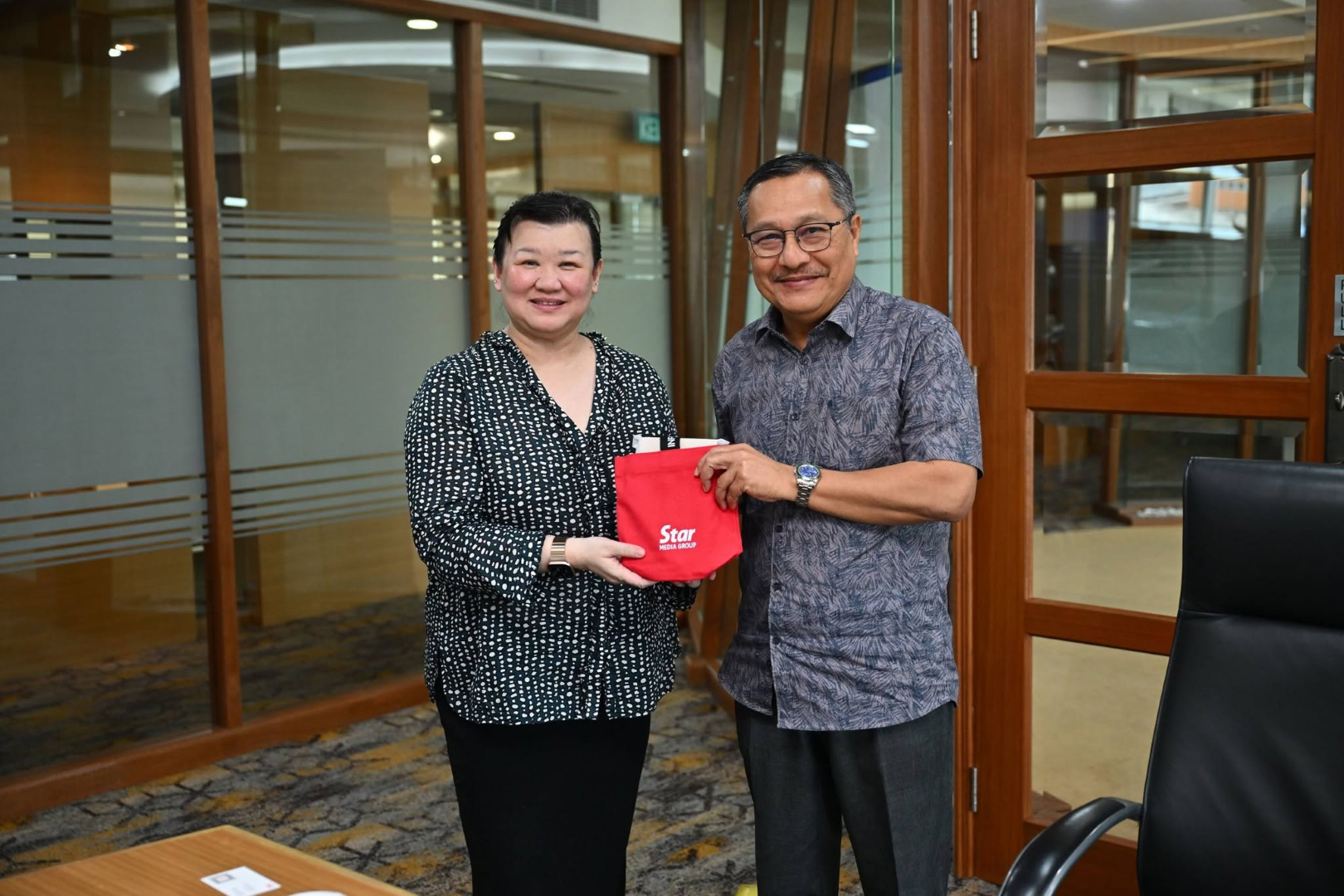
Organisations such as NetDragon Websoft Holdings Limited, Scottish Qualifications Authority (SQA), Malaysia Productivity Corporation (MPC), Star Media Group Berhad, SMH Rail Sdn Bhd, Persatuan Kreatif AI Malaysia (PéKA), and the Ministry of Finance of Tanzania also engaged with OUM.
Discussions focused on AI in education, APEL, quality assurance, curriculum innovation, and learner support systems.
Global Engagement
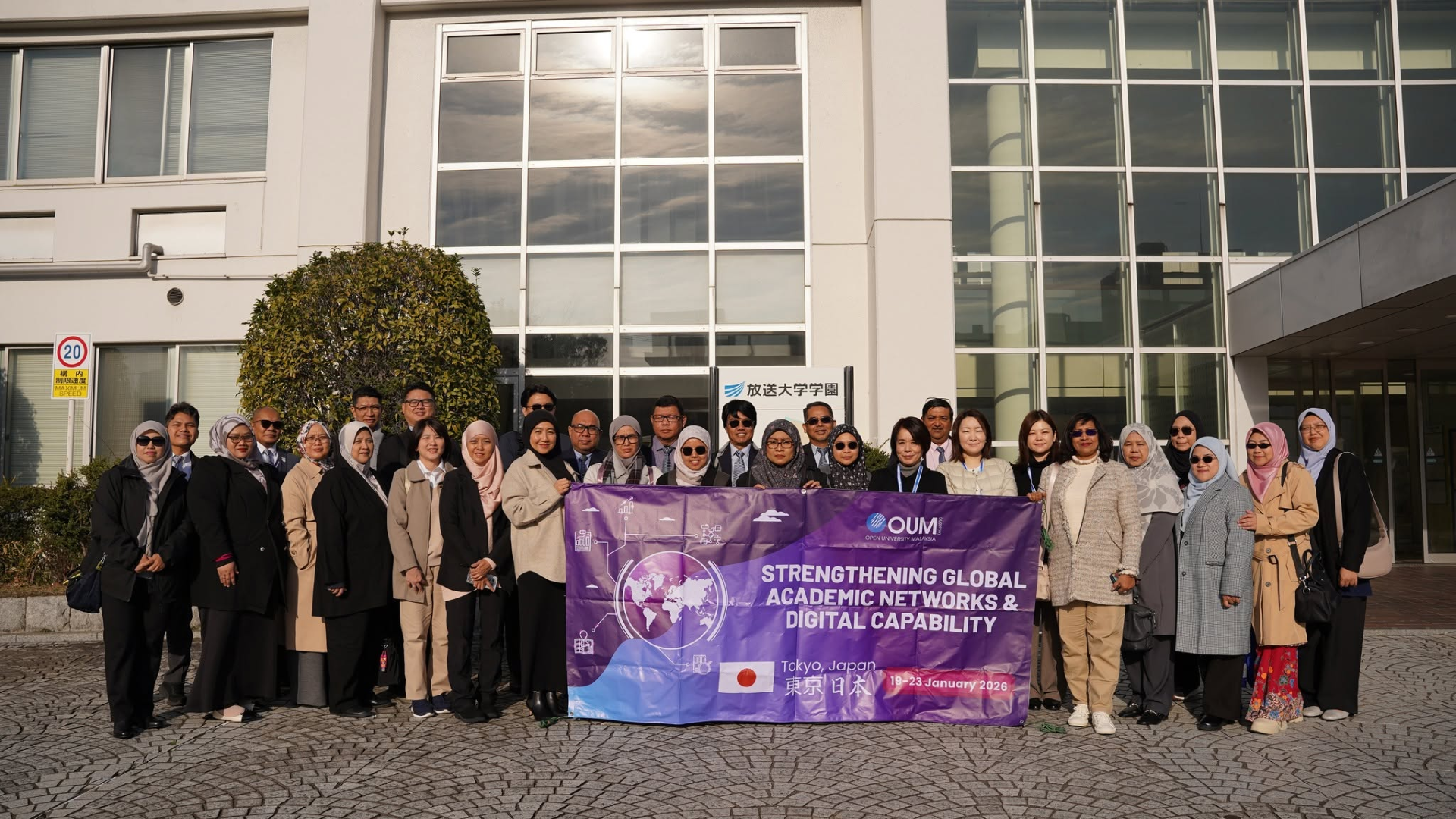
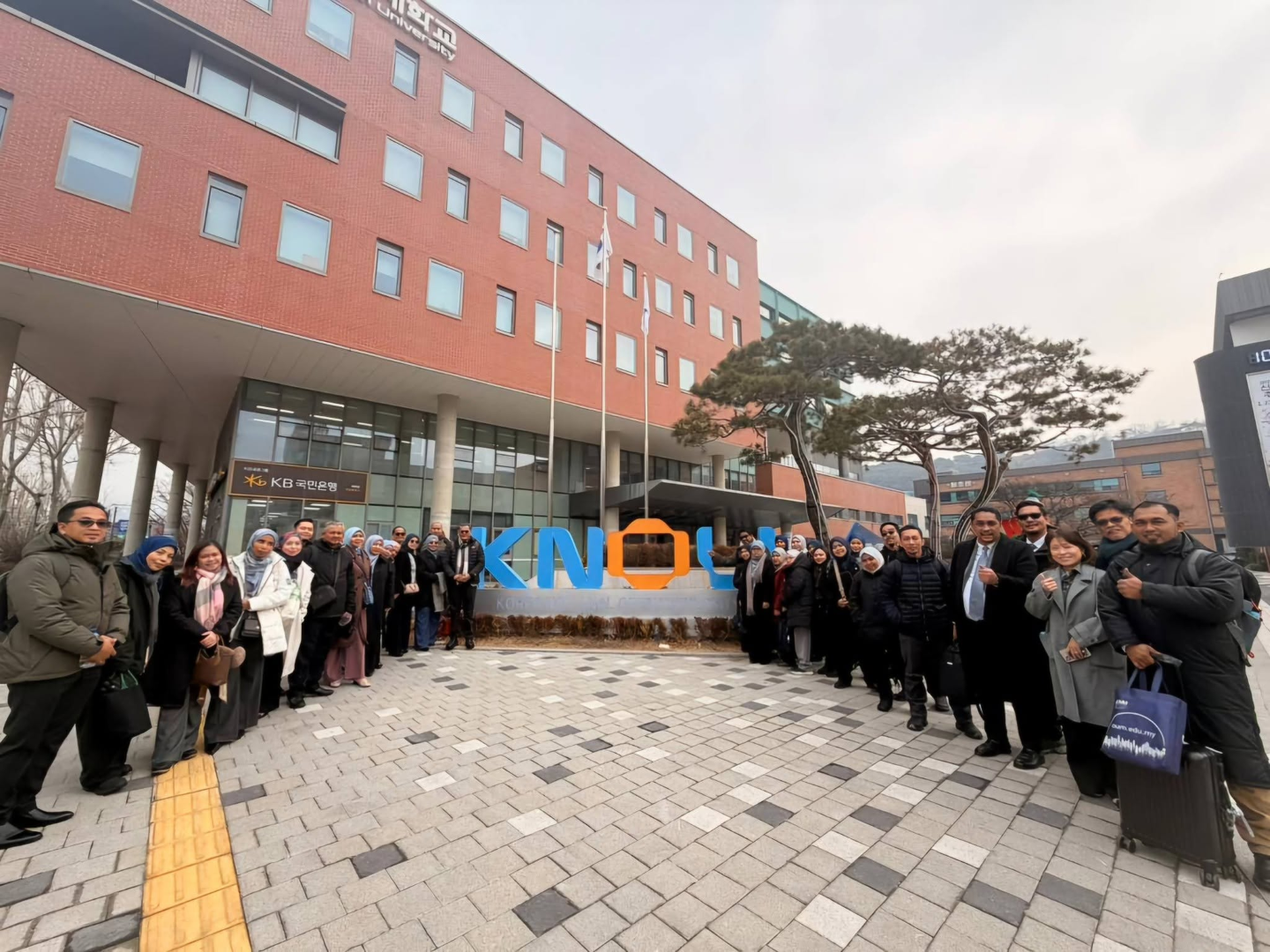
OUM delegations visited the Open University of Japan, Korea National Open University, Kyung Hee Cyber University, UiTM iCEPS, and partner institutions in Kazakhstan and Vietnam to benchmark digital education practices.
Regional Impact
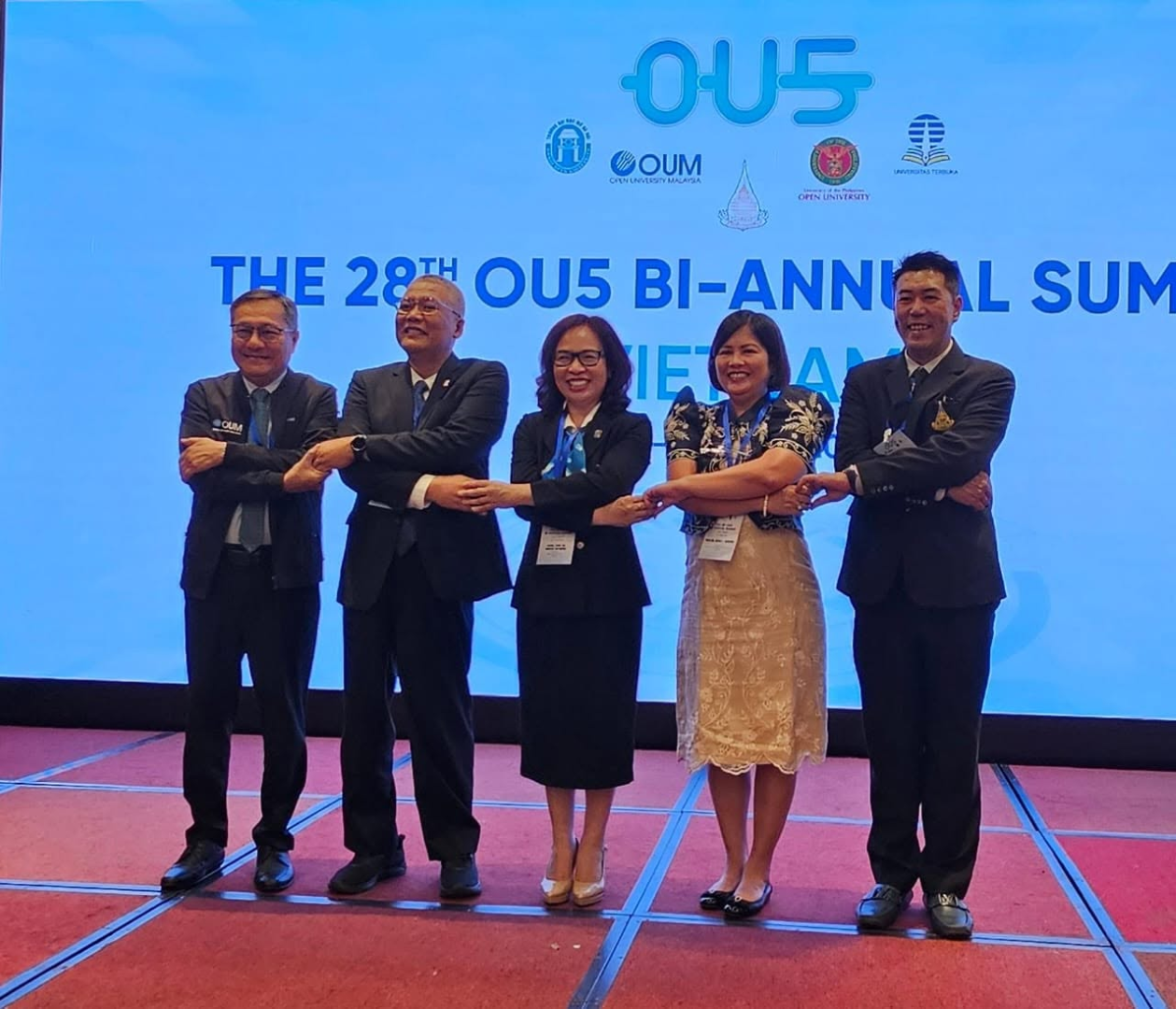
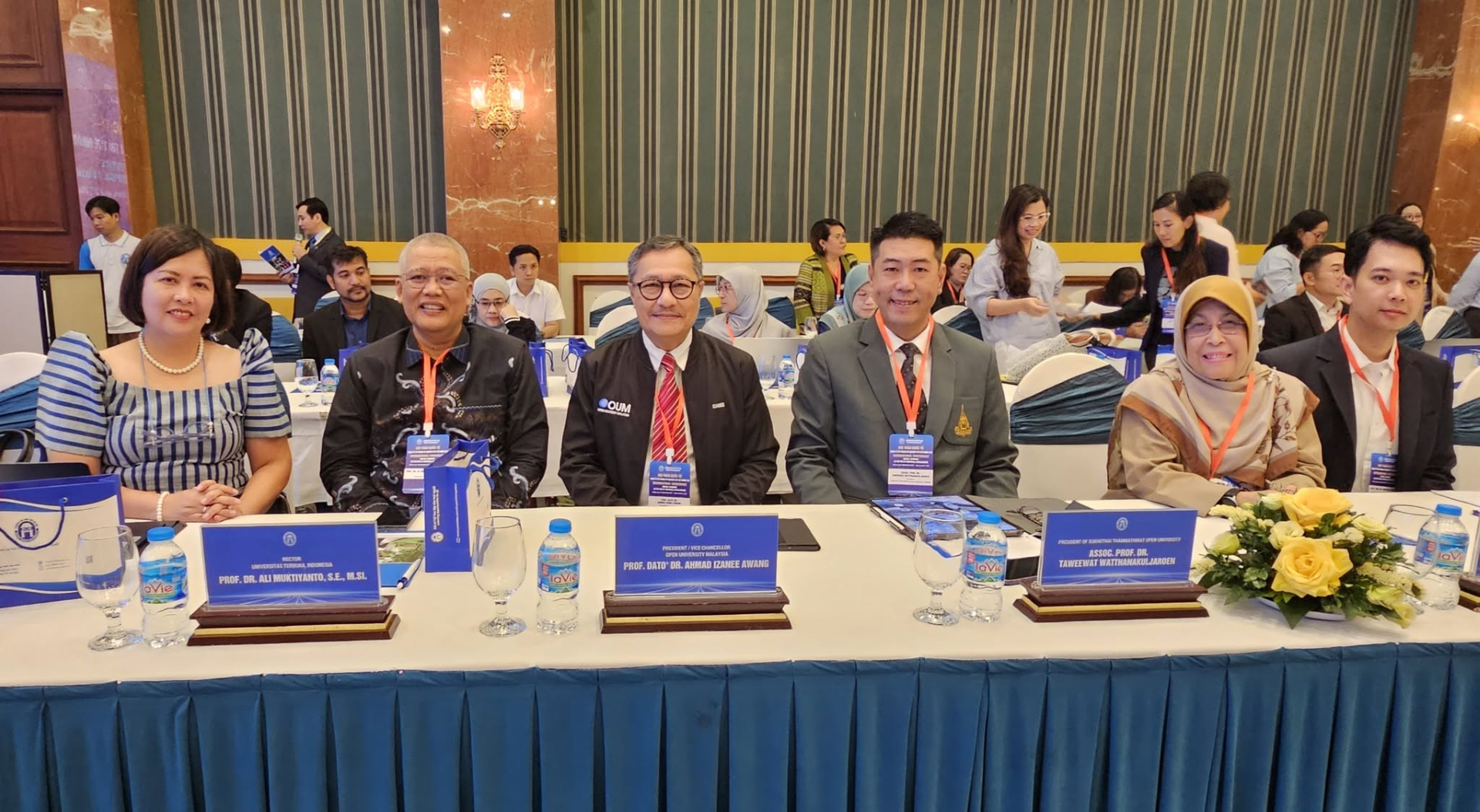
OUM participated in the International Conference on Digital Economy and the OU5 Bi-Annual Summit in Vietnam, alongside open universities from across Southeast Asia.
The University also contributed to regional research on AI, open science, micro-credentials, and lifelong learning under the OU5 network.
In addition, OUM trained cohorts from Tanzania’s Ministry of Finance in AI-enabled planning, budgeting, and risk management.
Conclusion
The first half of 2026 shows OUM steadily widening its reach – linking partners, ideas, and expertise across borders to shape the next phase of digital education.