Konnichiwa and annyeonghaseyo!
Learning never ends, including for OUM staff. Recently, two staff delegations visited Japan and South Korea, on a quest to learn from the universities and institutions there.
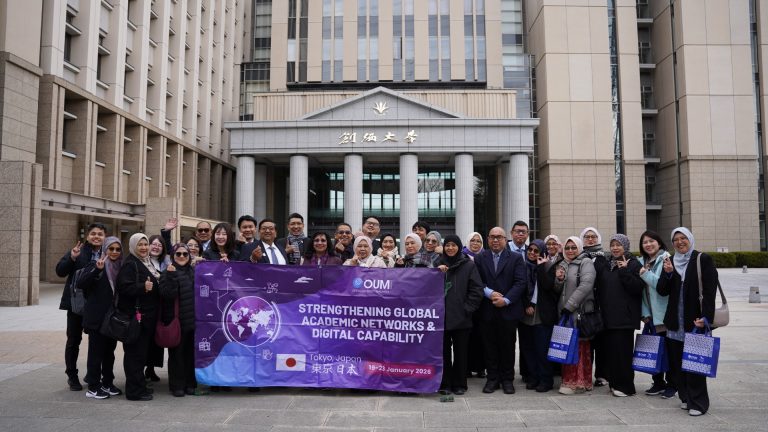
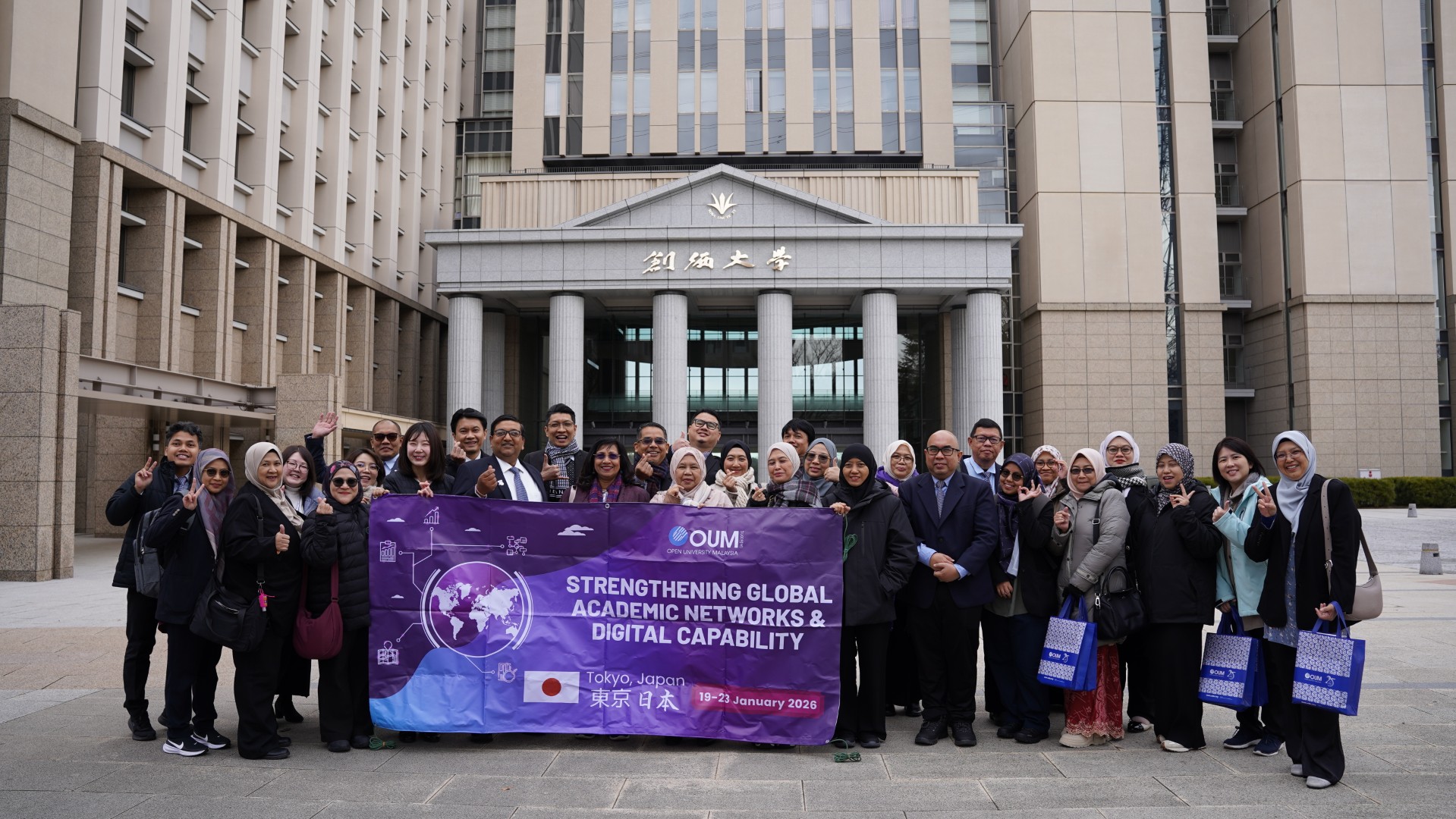
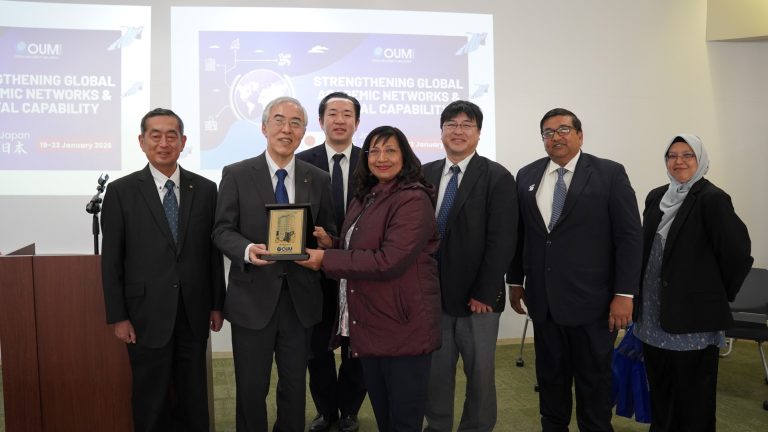
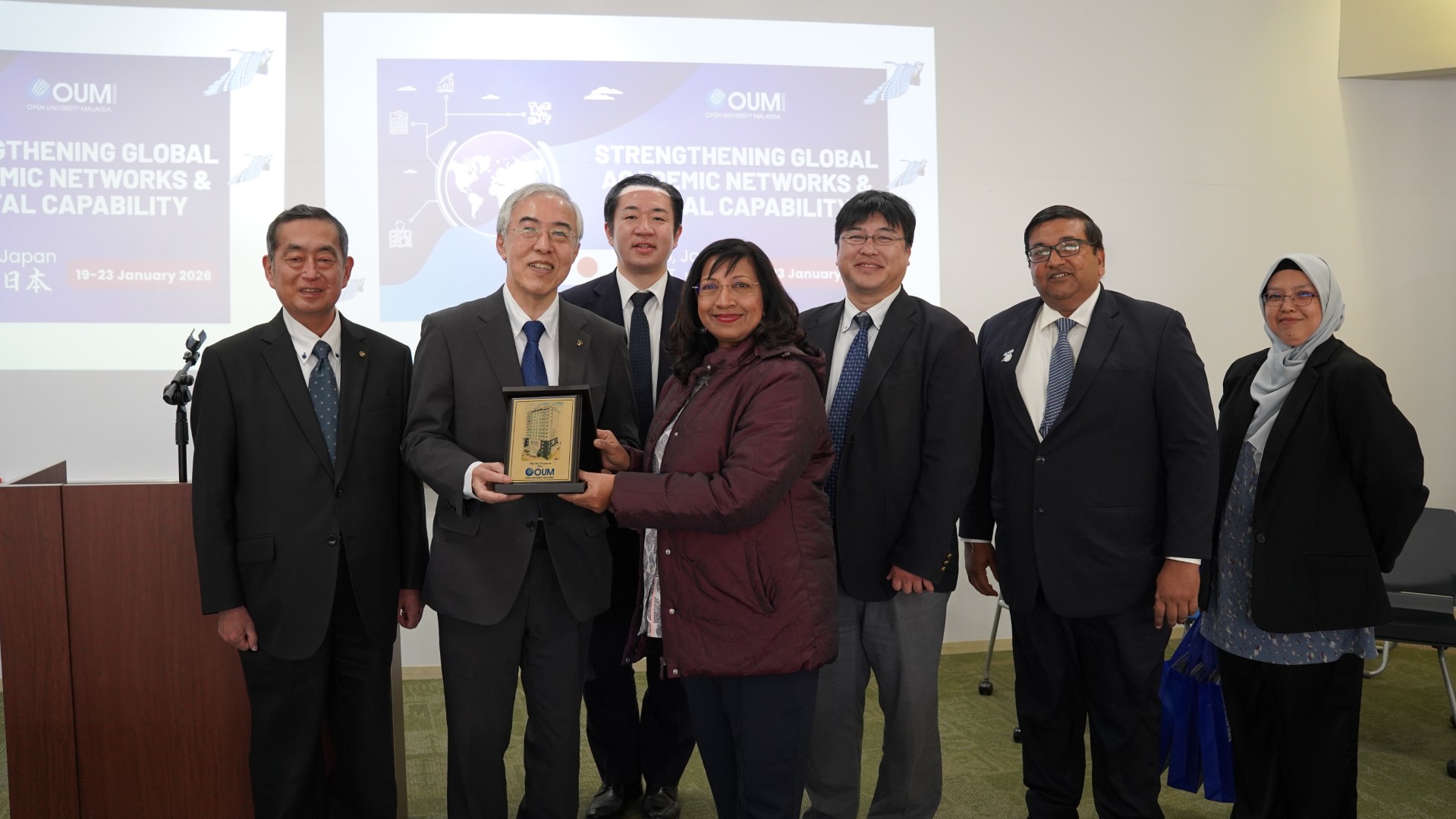
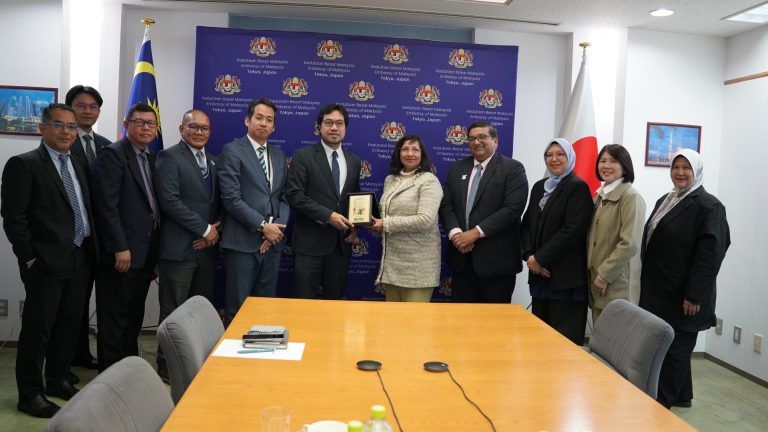
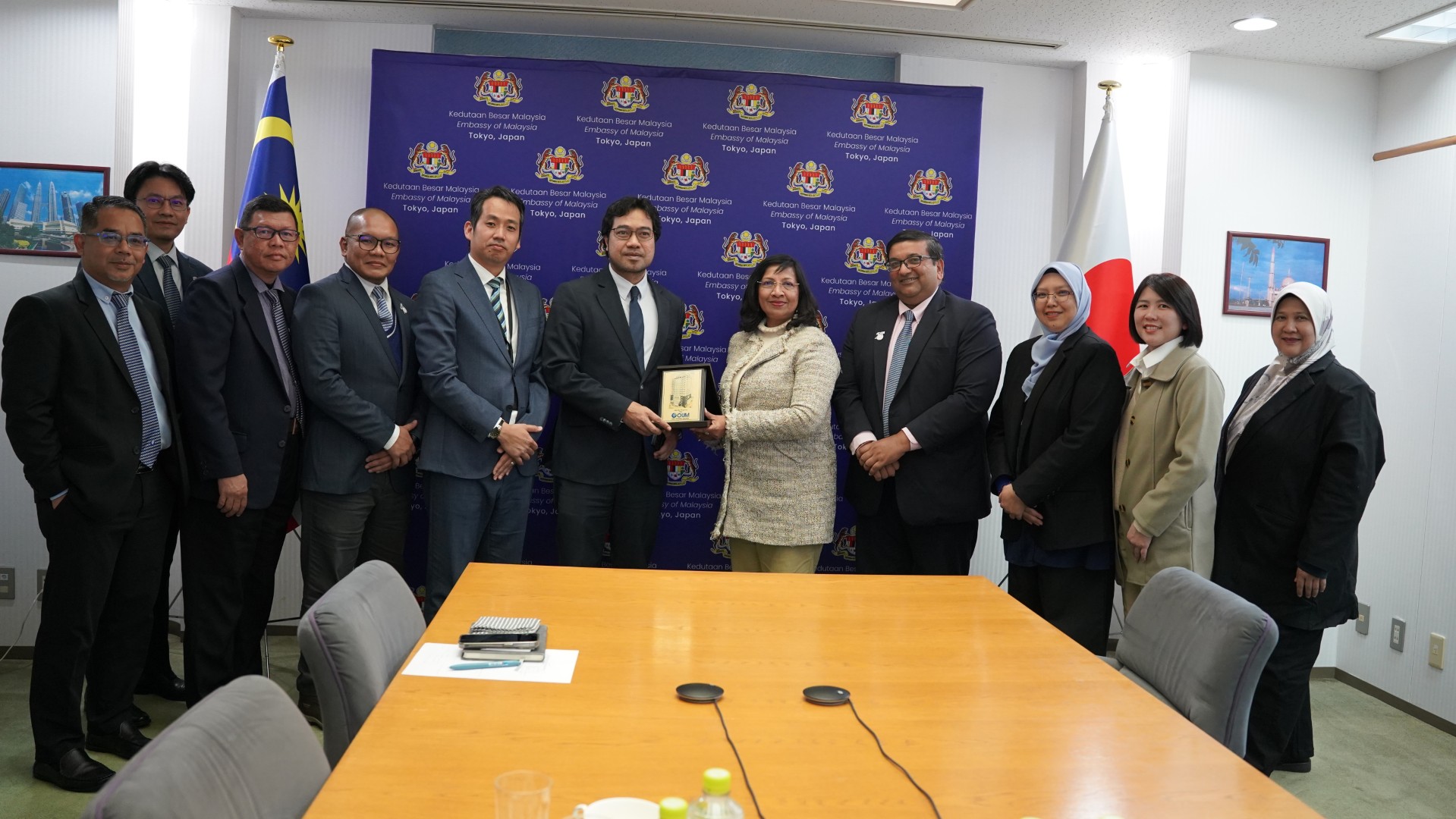
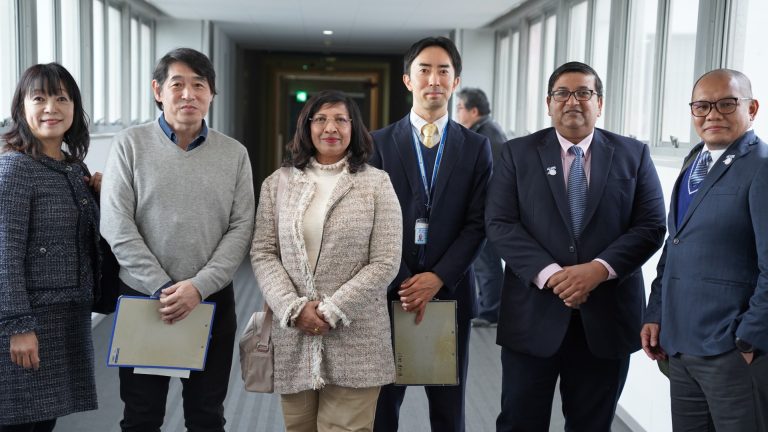
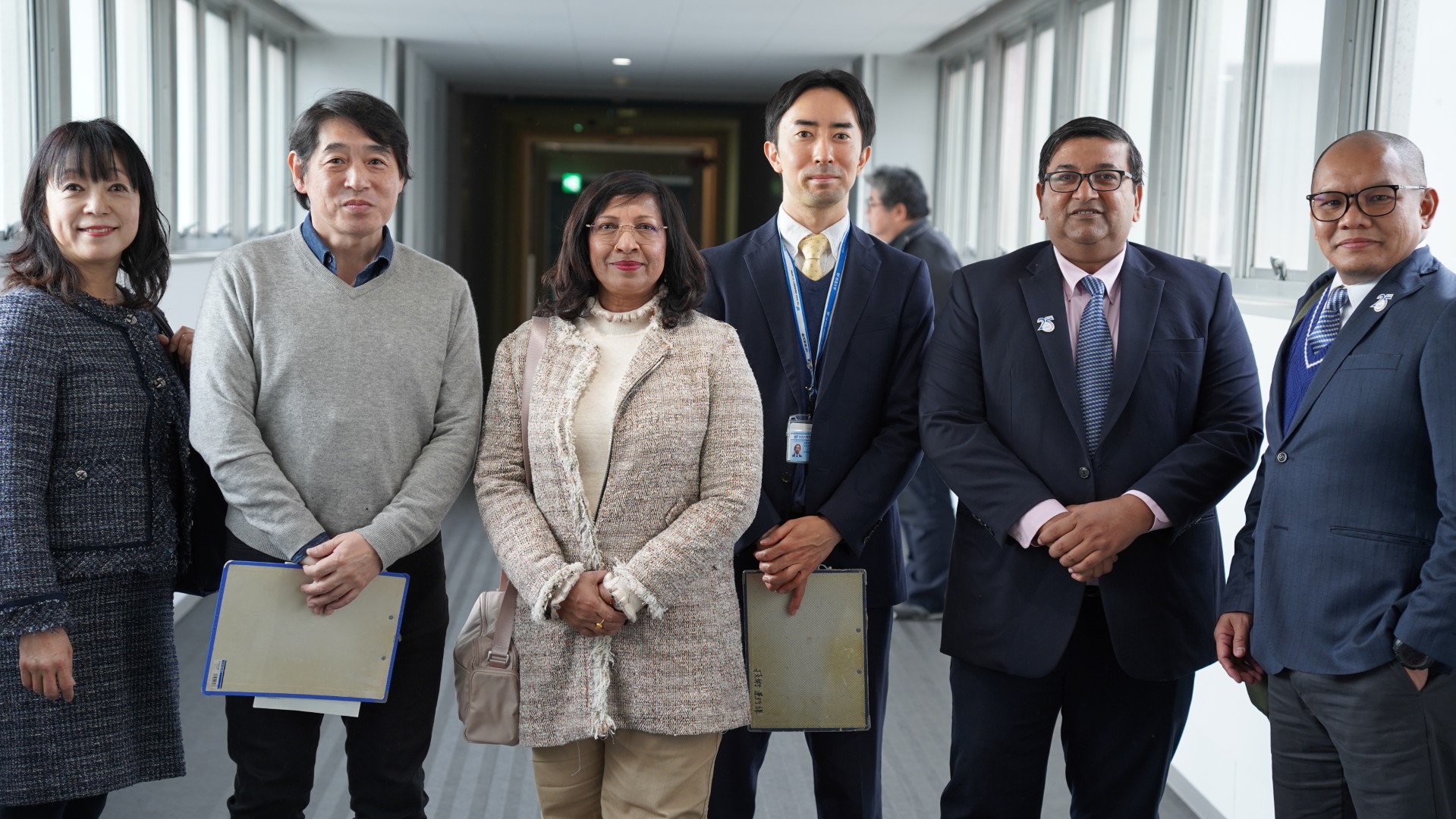
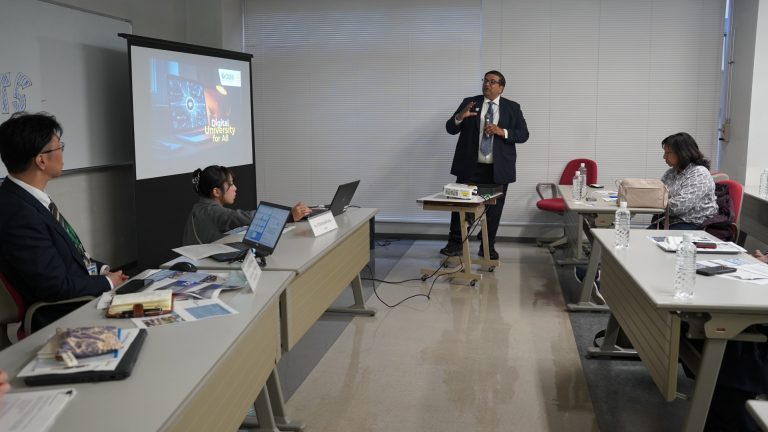
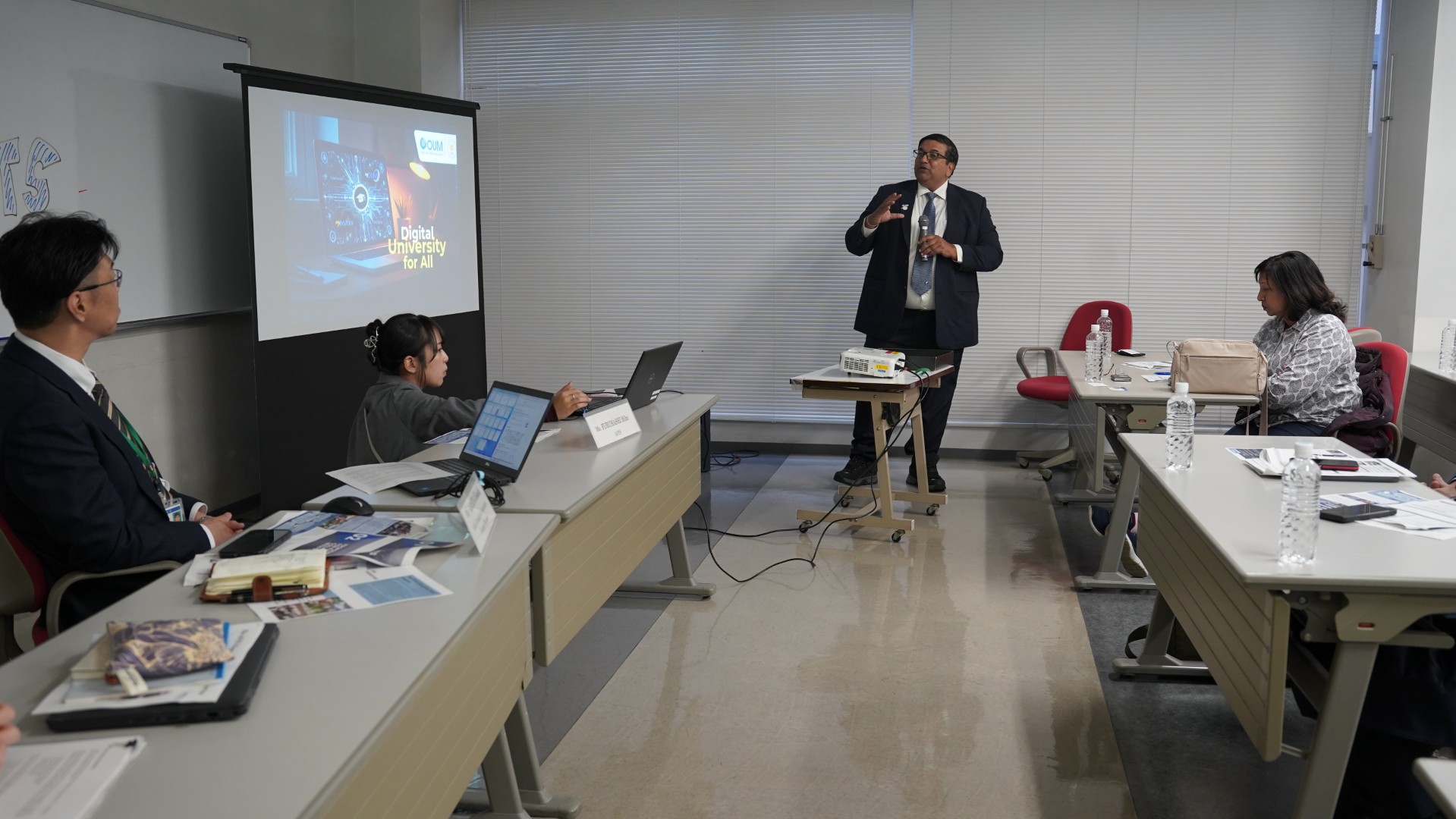
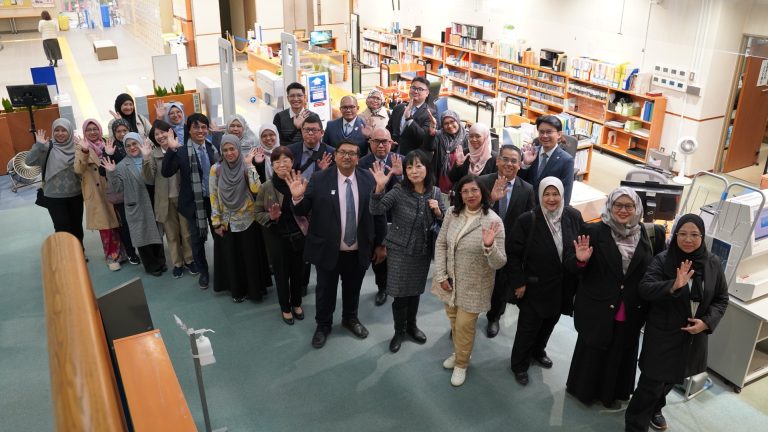
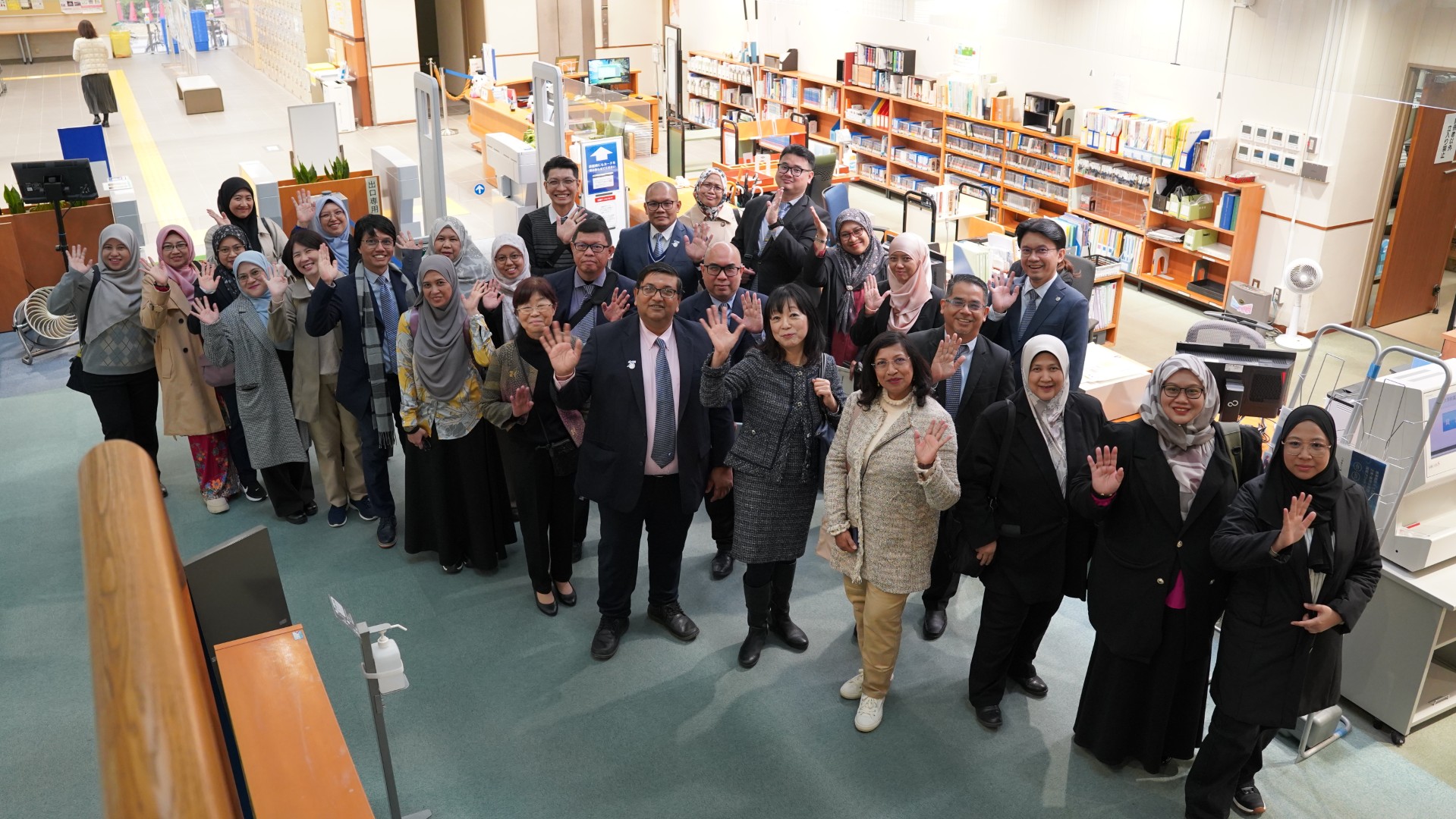
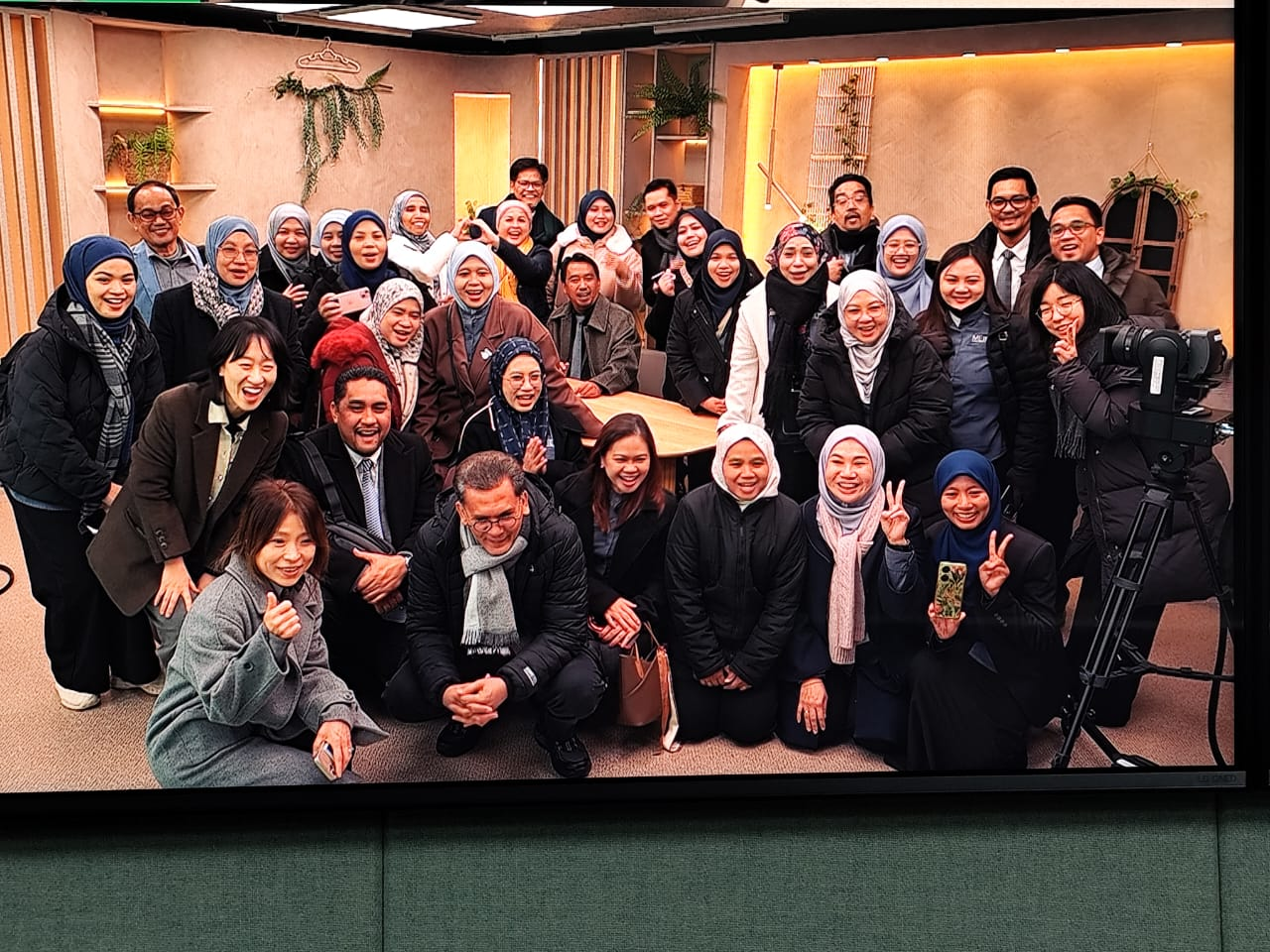
From 19 to 23 January, a 27-member METEOR/OUM delegation led by Vice President/Deputy Vice-Chancellor (Learner Experience & Technology), Prof Datin Dr Santhi Raghavan, travelled to Tokyo under the Strengthening Global Academic Networks & Digital Capability programme. The team visited the Open University of Japan (OUJ), Soka University, the Association for Overseas Technical Cooperation and Sustainable Partnerships (AOTS), and also paid a courtesy call on the Embassy of Malaysia in Tokyo.
At OUJ, the delegation toured recording studios where lessons were produced with precision. Datin Santhi reflected, “High-quality, reusable content maximises the long-term value of learning resources, ensuring they remain adaptable, sustainable and impactful over time. At the digital resource centre, artefacts were handled with extraordinary care. Photography was restricted to prevent even the slightest damage.” It was, as she observed, a quiet embodiment of monozukuri – craftsmanship and pride in one’s work and legacy.
At Soka University, they were impressed to learn that nearly 40% of learners are aged 60 and above. The message? Learning is for life. Through local peer support networks and IT literacy programmes run with local computer schools, Soka lives out the spirit of kizuna – meaningful human connection.
Learning is carefully cultivated through patience, discipline, with a deep respect for holistic development, critical thinking, and character formation, ensuring that knowledge is not merely delivered, but meaningfully absorbed and thoughtfully applied.
Beyond systems and studios, it was the people and their mindset which who left the deepest impression. For Datin Santhi, the spirit of omotenashi stood out most. “Meetings began ahead of schedule, and our hosts continued waving goodbye until our bus disappeared from sight. They were exceptionally hospitable,” she said.
For Chief Librarian Azlinda Ab Rahim, the experience highlighted aspects of Japanese culture that could be adapted locally. She noted, “This was a journey of learning, discipline, and innovation. I saw many ways we can bring global best practices home for meaningful improvement.”
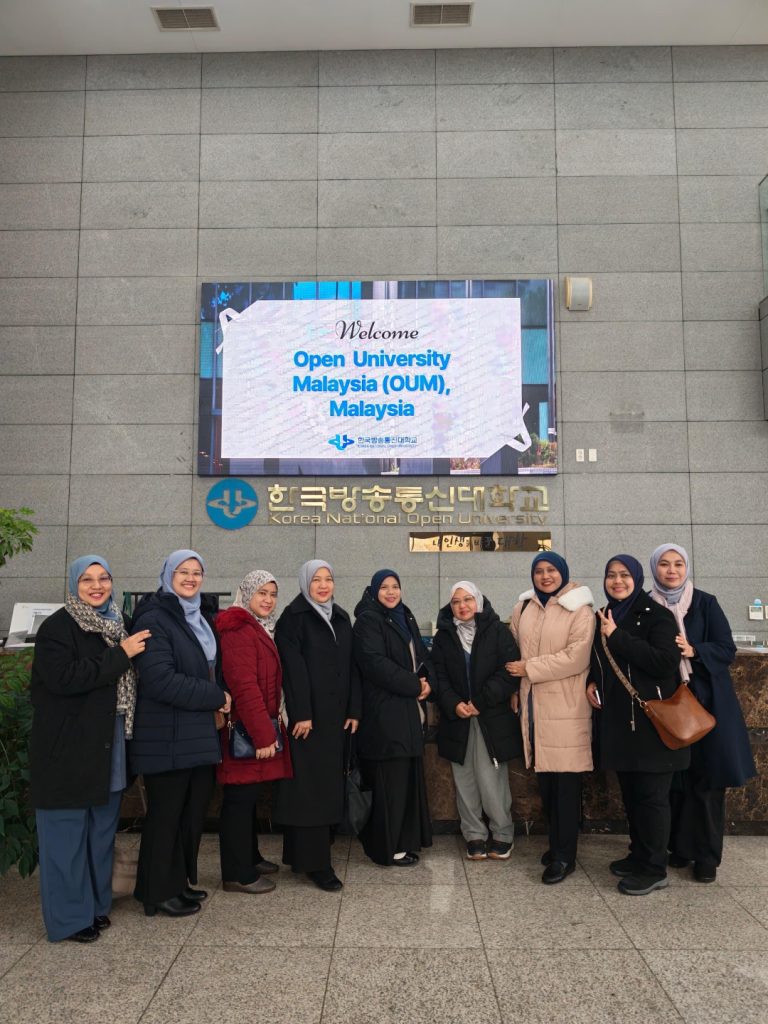
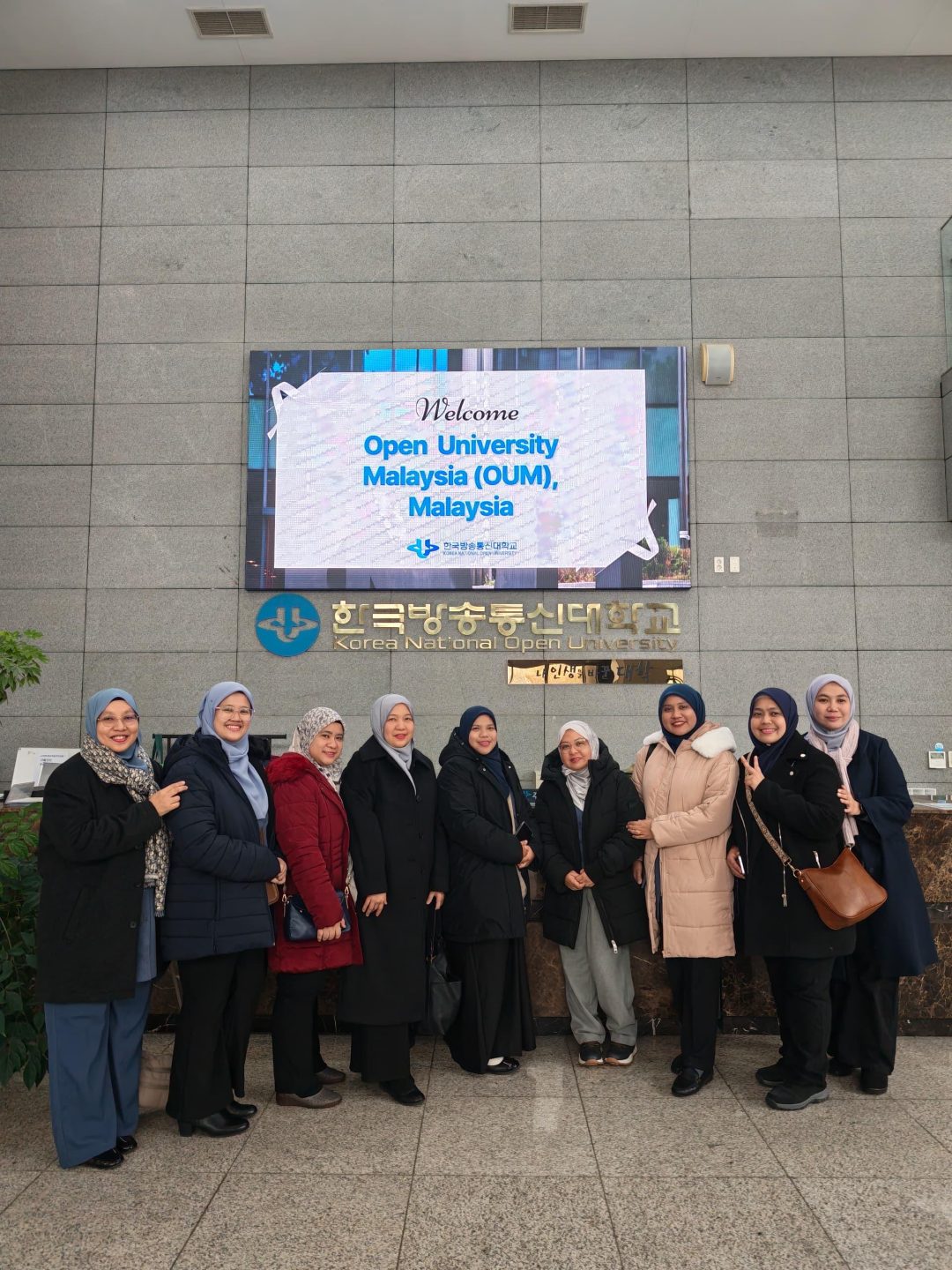
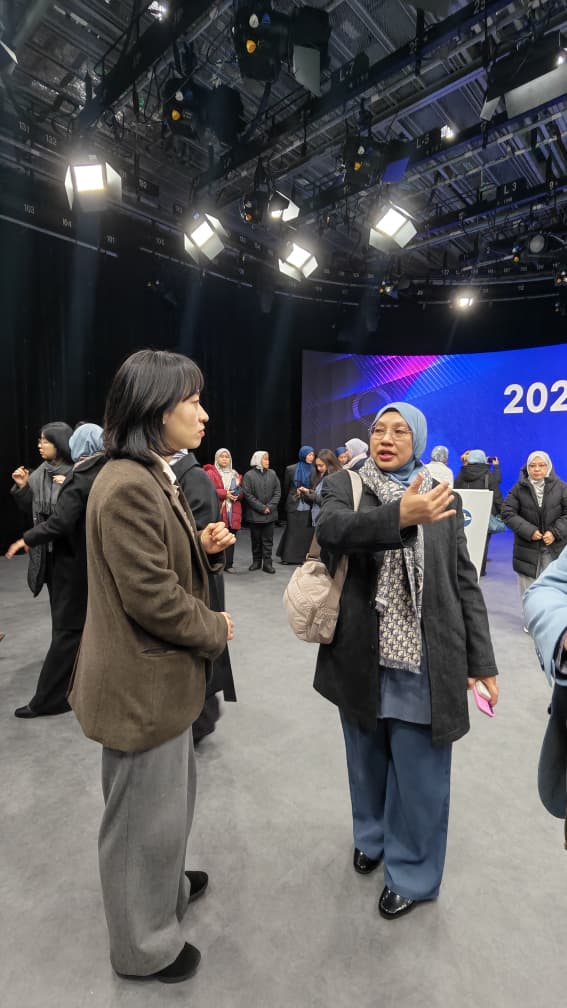
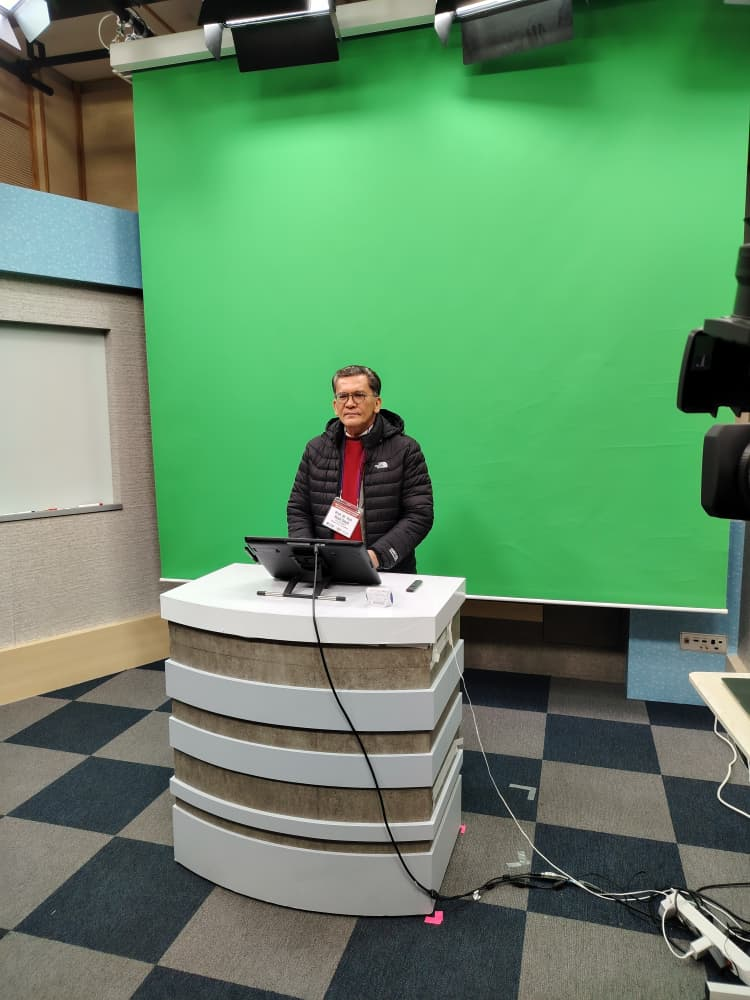
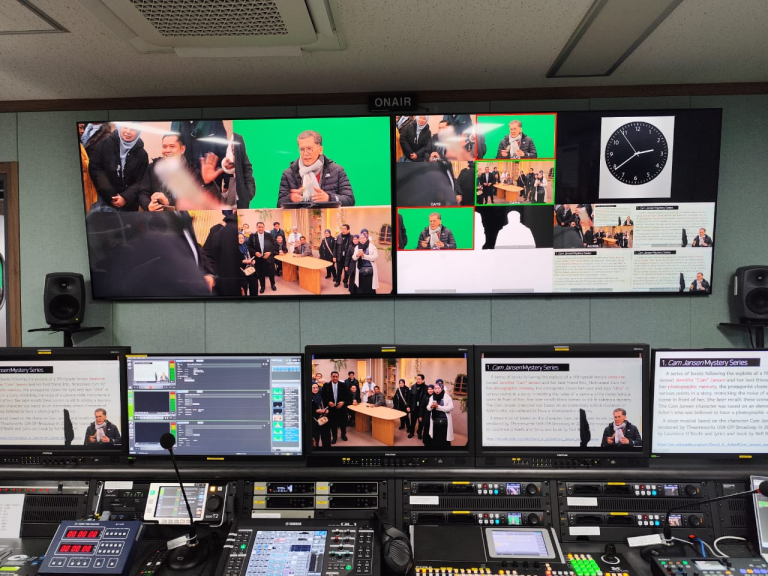
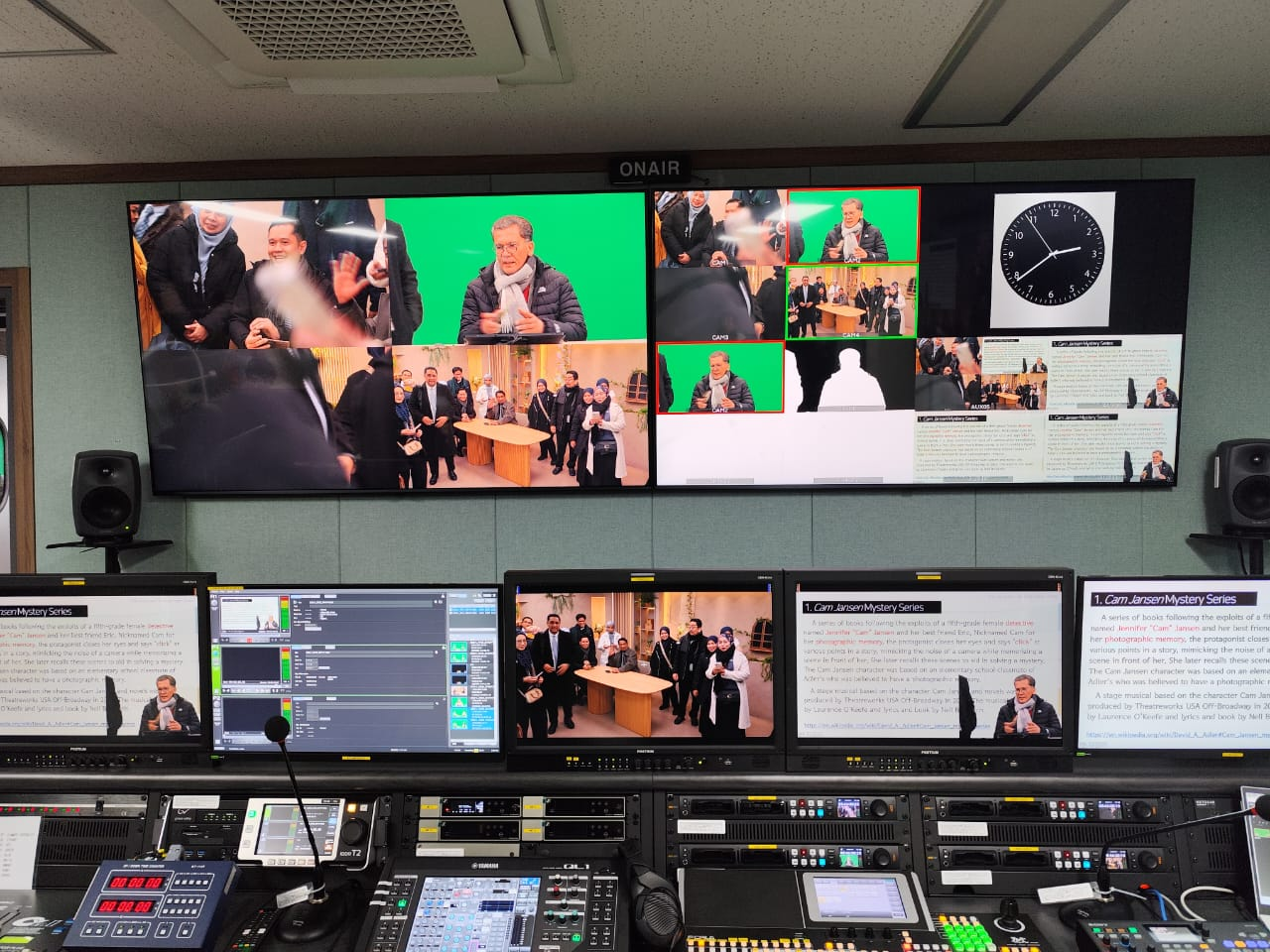
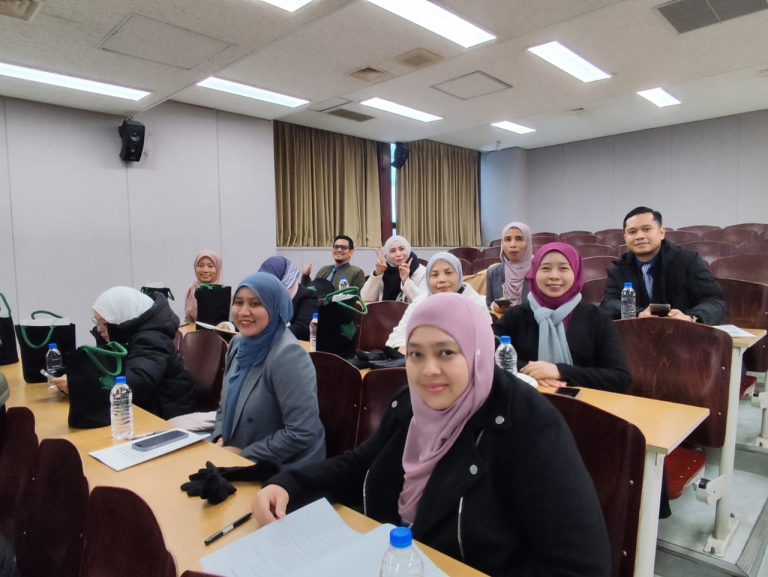
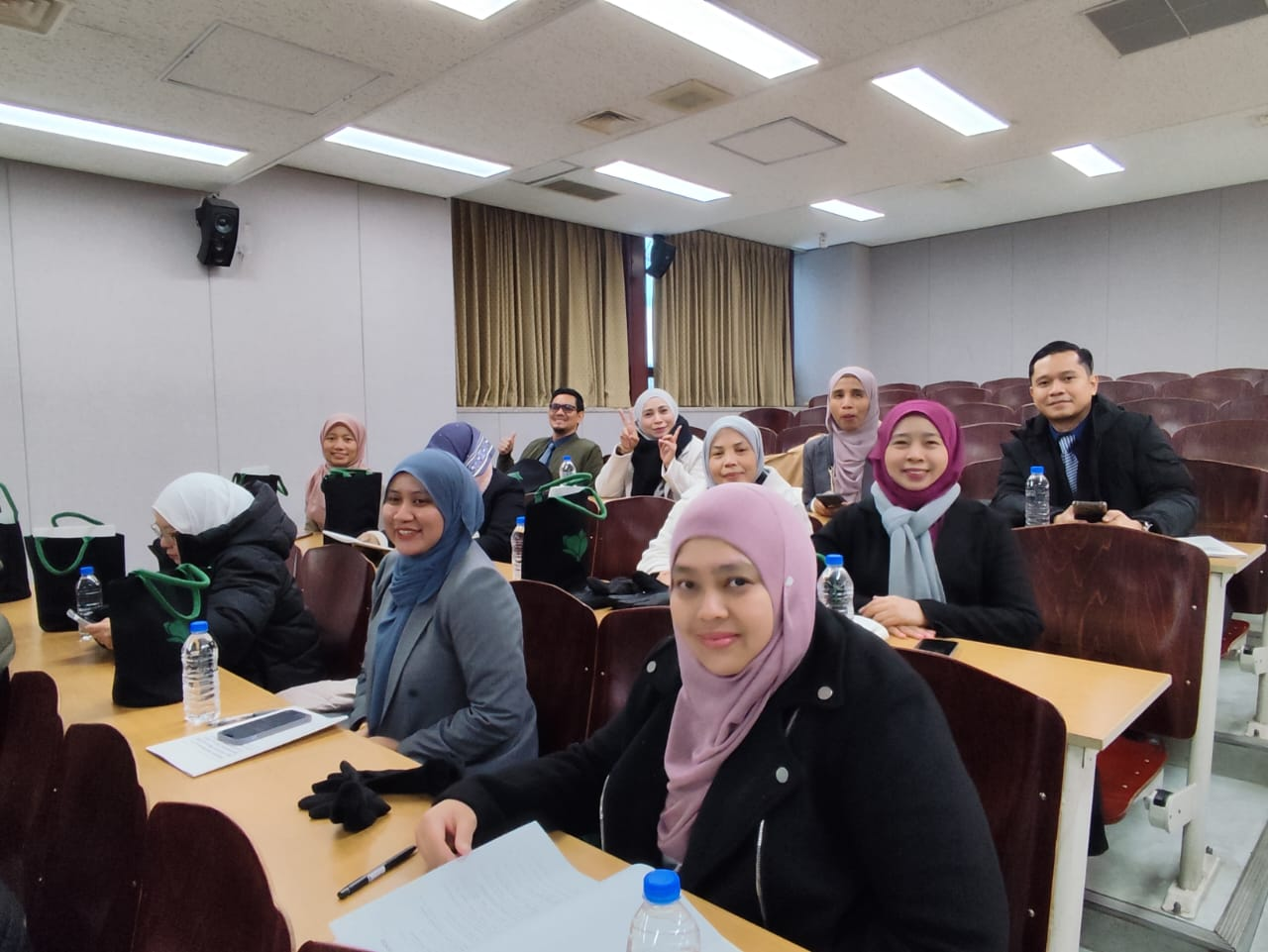
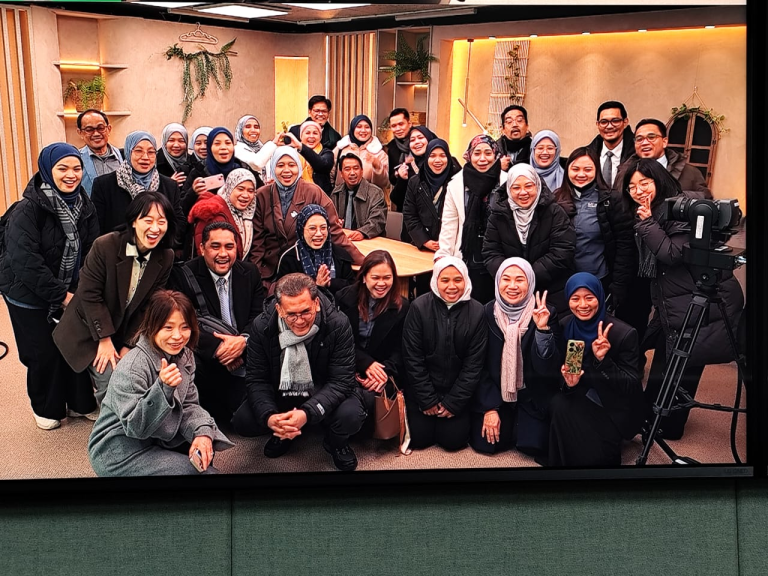
Hot on Tokyo’s heels, from 2 to 6 February, another delegation continued the momentum in Seoul for a Professionalism Enhancement programme. Led by Vice President/Deputy Vice-Chancellor (Business Development) Prof Dr Yon Rosli Daud and Registrar Assoc Prof Dr Tuan Fatma Tuan Sulaiman, the team visited Korea National Open University and Kyung Hee Cyber University.
If Japan perfected the system, Korea reimagined the future. Beyond the digital strategies and clever learning models, what stayed with the team most was the human spirit – the jeong of genuine connection and the uri of shared purpose. It was innovation with heart, a reminder that education thrives when people come first.
Across both countries, one truth resonated clearly: open, digital and distance education is not just about platforms or production quality. It’s about trust, inclusivity, consistency, and heart. It’s about designing systems that serve learners, whether they are 20 or 70.
These journeys were stepping stones towards the next chapter.
Mirai e – towards the future.
Or as our Korean hosts might say, hamkke gaja – let’s go together.